


- Bestsellers
- Alcoholism
- Allergy
- Alzheimers
- Anti Fungal
- Anti Viral
- Anti-Depressants
- Anti-Inflammatory
- Antibacterial
- Antibiotics
- Antiparasitic
- Arthritis
- Asthma
- Birth Control
- Blood Pressure
- COVID-19
- Cancer
- Cardiovascular
- Cholesterol
- Diabetes
- Diuretics
- Erectile Dysfunction
- Eye Drop
- Gastro Health
- General Health
- HIV
- Hair Loss
- Hepatitis C Virus (HCV)
- Herbals
- Hormones
- Men's ED Packs
- Men's Health
- Mental Illness
- Motion Sickness
- Muscle Relaxant
- Pain Relief
- Parkinson’s Disease
- Quit Smoking
- Skin Care
- Sleeping Aids
- Veterinary Medicines
- Vitamins
- Weight Loss
- Women's Health
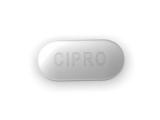
Generic Cipro ( Ciprofloxacin )

Cipro
| Active ingredient | ciprofloxacin |
|---|---|
| Mechanism of action | bacterial type II topoisomerase inhibitor |
| Common dose | 250-750 mg every 12 hours |
| What is it used for? | various bacterial infections |
| Important information on taking | take with or without food, stay hydrated |
Exploring the basics of Cipro
Definition, therapeutic role, and mechanism of action of Cipro
Ciprofloxacin is a synthetic fluoroquinolone antibiotic used to treat bacterial infections. It functions by inhibiting bacterial dna gyrase and topoisomerase iv, enzymes essential for dna replication and repair. This inhibition prevents the relaxation of supercoiled dna and blocks the progression of dna strands, leading to bacterial cell death. The drug exhibits broad-spectrum activity against gram-negative and some gram-positive pathogens. Ciprofloxacin is well absorbed orally and readily penetrates various tissues, including bone and urinary tract. Its elimination primarily occurs through renal excretion of unchanged drug and metabolites. Clinically, the medication is employed to eradicate susceptible bacterial populations and resolve infection-related inflammation.
Understanding the pharmacological properties of Cipro
Understanding the pharmacological properties of Cipro begins with recognizing its active ingredient, Ciprofloxacin, a broad-spectrum antibiotic belonging to the fluoroquinolone class. This compound is characterized by its ability to penetrate various tissues and fluids, including bone and cerebrospinal fluid, which enhances its efficacy in treating systemic infections. The mechanism of action involves the inhibition of bacterial dna gyrase and topoisomerase iv, enzymes essential for dna replication and repair in prokaryotic cells. By blocking these enzymes, Cipro prevents bacterial dna from being properly replicated and segregated, leading to bacterial cell death. This targeted interruption of vital metabolic processes makes the medication effective against a wide range of gram-negative and some gram-positive pathogens. The pharmacodynamic profile of Ciprofloxacin supports its use in treating urinary tract infections, respiratory infections, and gastrointestinal illnesses caused by susceptible organisms. Due to its systemic absorption and sustained activity, Cipro serves as a potent tool in combating bacterial invasions where host defenses may be compromised.
Therapeutic uses of Cipro
| Urinary Tract Infection | 250-500 mg orally every 12 hours (1 g/day) for 7-14 days |
|---|---|
| Respiratory Tract Infection | 500 mg orally every 12 hours (1 g/day) for 7-14 days |
| Bone and Joint Infection | 500 mg orally every 12 hours (1 g/day) for 4-6 weeks |
Side effects of Cipro
Side effects of Cipro
Ciprofloxacin is an antibiotic used to treat bacterial infections. Common side effects include nausea stomach upset and occasional diarrhea. Some people experience tendon pain or swelling especially after strenuous activity. The medication can cause increased sensitivity to sunlight leading to quicker sunburn. Less frequent effects may involve headaches dizziness or mild skin rash. These reactions are generally mild and do not require treatment unless they become severe.
Things you should be aware of before using Cipro
Cipro is a fluoroquinolone antibiotic commonly prescribed for bacterial infections. Some patients may experience tendon pain or inflammation especially after physical activity. Gastrointestinal disturbances such as nausea diarrhea or abdominal pain can occur. Central nervous system effects like dizziness headache or rare instances of confusion have been reported. Skin reactions including rash itching or photosensitivity may develop in certain individuals. In rare cases alterations in blood sugar levels or cardiac rhythm have been observed. These effects are generally mild to moderate and often resolve without specific intervention.
Common effects experienced with Cipro
- Nausea
- Diarrhea
- Abdominal pain
- Headache
- Dizziness
Ciprofloxacin, often known by its brand name Cipro, can be a powerful ally against bacterial infections when used responsibly. Always finish the entire prescribed course, even if symptoms improve, to ensure the infection is fully cleared and to curb resistance. Take the medication with water on an empty stomach or as directed, and avoid combining it with antacids, supplements containing magnesium or aluminum, or certain cholesterol drugs that can blunt its absorption. Pay close attention to warning signs such as tendon pain, severe diarrhea, or persistent nausea, and seek medical help immediately if they appear. Stay well-hydrated and maintain a balanced diet to support your body's recovery. Finally, discuss any existing health conditions or other medications with your healthcare provider before starting Ciprofloxacin, so they can tailor the regimen safely for you.
 Thomas Peterson, D.O.
: ABEM Certified, Emergency Medicine
Thomas Peterson, D.O.
: ABEM Certified, Emergency Medicine

 David P. Bryant, D.O.
: ABEM Certified, Emergency Medicine
David P. Bryant, D.O.
: ABEM Certified, Emergency Medicine

 Cassidy Cunningham
: ABEM Certified, Emergency Medicine
Cassidy Cunningham
: ABEM Certified, Emergency Medicine
 Antonio Napolitano, M.D.
: ABEM Certified, Emergency Medicine
Thomas Peterson, D.O.
: ABEM Certified, Emergency Medicine
David P. Bryant, D.O.
: ABEM Certified, Emergency Medicine
Antonio Napolitano, M.D.
: ABEM Certified, Emergency Medicine
Thomas Peterson, D.O.
: ABEM Certified, Emergency Medicine
David P. Bryant, D.O.
: ABEM Certified, Emergency Medicine
 Nicholas Cochran-Caggiano
: ABEM Certified, Board Certification, Emergency Medical Services, Emergency Medicine
Nicholas Cochran-Caggiano
: ABEM Certified, Board Certification, Emergency Medical Services, Emergency Medicine
 Barbara Van De Water
: ABEM Certified, Emergency Medicine
Barbara Van De Water
: ABEM Certified, Emergency Medicine


| Shipping method | Delivery time | Price | |
| Airmail service Delivery | 14-21 days | 14.95$ | Tracking# available in 4 days |
| Trackable service Delivery | 9-14 days | 30$ | Tracking# available in 2 days |
- Shipping worldwide
- Confidentiality and anonymity guarantee
- Safe and secure
- Discrete looking packages
- Dispatch orders within 24 hours
- 100% success delivery