


- Bestsellers
- Alcoholism
- Allergy
- Alzheimers
- Anti Fungal
- Anti Viral
- Anti-Depressants
- Anti-Inflammatory
- Antibacterial
- Antibiotics
- Antiparasitic
- Arthritis
- Asthma
- Birth Control
- Blood Pressure
- COVID-19
- Cancer
- Cardiovascular
- Cholesterol
- Diabetes
- Diuretics
- Erectile Dysfunction
- Eye Drop
- Gastro Health
- General Health
- HIV
- Hair Loss
- Hepatitis C Virus (HCV)
- Herbals
- Hormones
- Men's ED Packs
- Men's Health
- Mental Illness
- Motion Sickness
- Muscle Relaxant
- Pain Relief
- Parkinson’s Disease
- Quit Smoking
- Skin Care
- Sleeping Aids
- Veterinary Medicines
- Vitamins
- Weight Loss
- Women's Health
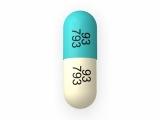
Generic Chloromycetin ( Chloramphenicol )


Chloromycetin
| Active ingredient | Chloramphenicol |
|---|---|
| Mechanism of action | Broad-spectrum bacteriostatic antibiotic that inhibits bacterial protein synthesis by binding to the 50S ribosomal subunit |
| Common dose | 250-500 mg orally every 6 hours (or equivalent IV dosing) |
| What is it used for? | Treatment of serious bacterial infections such as meningitis, typhoid fever, and anaerobic infections |
| Important information on taking | Take with a full glass of water; may be taken with or without food; complete the full prescribed course |
| Common side effects | Nausea, vomiting, abdominal pain, headache, rash |
| Serious risks | Bone-marrow suppression, gray-baby syndrome in infants, severe hypersensitivity reactions |
| Interactions | May increase serum levels of warfarin, phenytoin; avoid concomitant use with other bacteriostatic agents |
| Contraindications | Known hypersensitivity to chloramphenicol, bone-marrow depression, infants with gray-baby syndrome |
| Legal status | Prescription-only medication in most countries; scheduled in some jurisdictions |
An overview of Chloromycetin
Definition, therapeutic role, and mechanism of action of Chloromycetin
Chloromycetin is a brand name for the antibiotic chloramphenicol used to inhibit bacterial protein synthesis. It is primarily prescribed to treat serious infections such as typhoid fever when other options are ineffective. The drug works by binding to the ribosomal peptidyl transferase site, preventing the formation of peptide bonds in bacterial cells. This inhibition halts bacterial growth while allowing human cells, which lack this specific ribosomal structure, to continue normal function. The active ingredient chloramphenicol is a broad spectrum agent that can penetrate various tissues including the central nervous system. By suppressing protein production in susceptible bacteria the medication reduces the spread of infection and facilitates clearance of the pathogen. Its mechanism therefore provides a clear therapeutic purpose rooted in the biochemical interference with bacterial ribosomal activity.
Understanding the pharmacological properties of Chloromycetin
Chloromycetin is the brand name for the antibiotic chloramphenicol. It is classified as a broad-spectrum bacteriostatic drug that inhibits protein synthesis in susceptible microorganisms. The medication binds to the 50s ribosomal subunit and blocks the peptidyl transferase activity thereby preventing peptide chain elongation. This interaction disrupts the production of essential bacterial proteins leading to a static effect rather than rapid killing. Because of its activity against many gram-positive and gram-negative organisms it is used clinically to treat serious infections such as meningitis and severe respiratory tract infections. Its ability to penetrate intracellular spaces also allows it to act against obligate intracellular pathogens. Overall the drug's mechanism relies on selective inhibition of bacterial ribosome function while sparing human cells.
When Chloromycetin is indicated
| Staphylococcal aureus infections | 250 mg q6h (every 6 hours) for 7-14 days |
|---|---|
| Enteric infections | 500 mg q6h (every 6 hours) for 7-14 days |
| Anthrax exposure (post-exposure) | 500 mg q6h (every 6 hours) for 60 days |
Side effects of Chloromycetin
Side effects of Chloromycetin you should know about
Chloromycetin may cause mild skin irritation in some users. It can occasionally lead to gastrointestinal discomfort such as nausea or loss of appetite. Some individuals report temporary dizziness after taking the medication. Rarely, allergic reactions including rash or itching have been documented. In isolated cases, changes in taste sensation have been observed. Headache is another infrequently reported side effect. Most adverse effects are mild and resolve without medical intervention.
What to know before starting Chloromycetin
Chloromycetin can cause allergic reactions such as skin rash or itching. It may lead to bone marrow suppression resulting in reduced blood cell production. Some individuals experience gastrointestinal disturbances including nausea and abdominal discomfort. Rarely, the medication has been linked to temporary visual disturbances. Prolonged use can sometimes result in liver enzyme elevations. The drug may interact with other medications affecting their metabolism.
Frequently observed responses to Chloromycetin
- Bone marrow suppression
- Allergic dermatitis
- Gray baby syndrome
- Nausea and vomiting
- Central nervous system depression
Chloromycetin (chloramphenicol) can be a valuable antibiotic when used correctly, but its benefits must be weighed against the risk of serious side effects such as bone-marrow suppression and allergic reactions. Always obtain the medication through a licensed healthcare provider and follow the prescribed dosage and duration precisely. Before starting treatment, inform your doctor of any existing medical conditions, especially liver or kidney disease, and of all other medicines you are taking to avoid harmful interactions. Monitor for signs of anemia, unusual bruising, or persistent fever, and seek medical attention immediately if they appear. Do not use Chloromycetin for viral infections, such as the common cold or flu, as it is ineffective against those illnesses. Pregnant or breastfeeding women should consult a physician before using this drug, as it can cross the placenta and enter breast milk. Finally, store the medication in a cool, dry place out of reach of children and never share it with others, even if they have similar symptoms.

 Michael McGary, M.D.
: ABEM Certified, Emergency Medicine
Michael McGary, M.D.
: ABEM Certified, Emergency Medicine
 Glenn Alan Birnbaum, M.D.
: ABEM Certified, Emergency Medicine
Glenn Alan Birnbaum, M.D.
: ABEM Certified, Emergency Medicine
 Craig F Tschautscher, M.D.
: ABEM Certified, Board Certification, Emergency Medical Services, Emergency Medicine
Craig F Tschautscher, M.D.
: ABEM Certified, Board Certification, Emergency Medical Services, Emergency Medicine

 Nadine Talia, M.D.
: ABEM Certified, Emergency Medicine
Nadine Talia, M.D.
: ABEM Certified, Emergency Medicine
 Rebekah Hodge, M.D.
: ABEM, ABEM Certified, Critical Care, Emergency Medicine, Internal Medicine
Rebekah Hodge, M.D.
: ABEM, ABEM Certified, Critical Care, Emergency Medicine, Internal Medicine
 Barbara Van De Water
: ABEM Certified, Emergency Medicine
Barbara Van De Water
: ABEM Certified, Emergency Medicine
 Mark Lewis Friedman, M.D.
: ABEM Certified, Emergency Medicine
Mark Lewis Friedman, M.D.
: ABEM Certified, Emergency Medicine


| Shipping method | Delivery time | Price | |
| Airmail service Delivery | 14-21 days | 14.95$ | Tracking# available in 4 days |
| Trackable service Delivery | 9-14 days | 30$ | Tracking# available in 2 days |
- Shipping worldwide
- Confidentiality and anonymity guarantee
- Safe and secure
- Discrete looking packages
- Dispatch orders within 24 hours
- 100% success delivery