


- Bestsellers
- Alcoholism
- Allergy
- Alzheimers
- Anti Fungal
- Anti Viral
- Anti-Depressants
- Anti-Inflammatory
- Antibacterial
- Antibiotics
- Antiparasitic
- Arthritis
- Asthma
- Birth Control
- Blood Pressure
- COVID-19
- Cancer
- Cardiovascular
- Cholesterol
- Diabetes
- Diuretics
- Erectile Dysfunction
- Eye Drop
- Gastro Health
- General Health
- HIV
- Hair Loss
- Hepatitis C Virus (HCV)
- Herbals
- Hormones
- Men's ED Packs
- Men's Health
- Mental Illness
- Motion Sickness
- Muscle Relaxant
- Pain Relief
- Parkinson’s Disease
- Quit Smoking
- Skin Care
- Sleeping Aids
- Veterinary Medicines
- Vitamins
- Weight Loss
- Women's Health
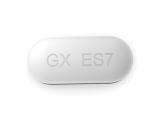
Generic Cefuroxime


Cefuroxime
| Active ingredient | Cefuroxime axetil |
|---|---|
| Mechanism of action | Inhibits bacterial cell wall synthesis by binding to penicillin-binding proteins |
| Common dose | 250-500 mg every 12 hours (adult); pediatric 25-50 mg/kg per day divided |
| What is it used for? | Treating bacterial infections of the respiratory tract, ear, sinuses, urinary tract, and skin |
| Important information on taking | Take as prescribed, with or without food, space doses evenly, complete the full course |
| Common side effects | Diarrhea, nausea, abdominal pain, rash, mild skin irritation |
| Serious risks | Allergic reactions (including anaphylaxis), Clostridioides difficile colitis |
| Interactions | May reduce efficacy of oral contraceptives; may interact with probenecid |
| Contraindications | Known hypersensitivity to cephalosporins or penicillins; severe renal impairment without dose adjustment |
| Legal status | Prescription-only medication; not scheduled in most jurisdictions |
Understanding Cefuroxime and its purpose
Definition and mechanism of action of Cefuroxime
Cefuroxime is a second generation cephalosporin antibiotic used to treat various bacterial infections. It is administered orally or intravenously and is absorbed with good bioavailability. The drug works by inhibiting bacterial cell wall synthesis, which leads to cell lysis and death. Its active moiety, the hydrolyzed form Cefuroxime axetil, releases Cefuroxime that binds to penicillin binding proteins. Binding to these proteins prevents the cross linking of peptidoglycan strands in the bacterial cell wall. This disruption weakens the wall making it vulnerable to osmotic pressure and immune defenses. As a result the medication helps clear infections of the respiratory tract, urinary tract, and skin. It does not affect viral infections and is generally well tolerated when used appropriately.
Pharmacological properties of Cefuroxime
Cefuroxime is a second-generation cephalosporin antibiotic used to treat a variety of bacterial infections. It works by inhibiting the synthesis of bacterial cell walls through binding to specific penicillin-binding proteins. This interaction prevents the cross-linking of peptidoglycan strands, leading to weakened cell membranes and bacterial lysis. The drug is absorbed well after oral administration and reaches therapeutic concentrations in many tissues. Its chemical structure provides a broader activity spectrum than first-generation cephalosporins, covering many gram-positive and gram-negative organisms. By targeting the bacterial cell wall, Cefuroxime ultimately clears the infection and reduces inflammation. This mechanism of action differentiates it from other antibiotic classes that interfere with protein synthesis or nucleic acid metabolism.
Therapeutic indications for Cefuroxime
| Acute bacterial sinusitis | 250 mg every 12 hours (2x daily) for 5-7 days |
|---|---|
| Community-acquired pneumonia | 250 mg every 8 hours (3x daily) for 7-10 days |
| Bacterial urinary tract infection | 250 mg every 12 hours (2x daily) for 3-7 days |
The most common side effects
Common reactions Cefuroxime can cause
Cefuroxime may cause mild nausea in some patients. It can also lead to diarrhea which is usually non-inflammatory. Skin reactions such as rash or itching are occasionally reported. Some individuals experience headaches or dizziness while taking the medication. Abdominal discomfort or mild pain may occur during treatment. These effects are generally transient and resolve without specific intervention.
What to know before starting Cefuroxime
Cefuroxime commonly causes gastrointestinal symptoms such as nausea and diarrhea. Headache and mild dizziness are also reported frequently. Skin reactions including rash and occasional itching may occur. Some patients experience abdominal discomfort or mild cramping. Elevated liver enzyme levels have been observed in a small proportion of cases. Allergic responses such as hives or swelling are rare but can develop.
Typical reactions to Cefuroxime
- Diarrhea
- Nausea
- Rash
- Headache
- Vomiting
If you decide to use Cefuroxime, make sure you finish the entire prescribed course, even if symptoms improve early. Take the medication with food or a full glass of water to reduce stomach upset, and avoid missing doses whenever possible. Be aware of common side effects such as diarrhea, nausea, or mild skin rash, and contact your doctor immediately if you experience severe allergic reactions, persistent vomiting, or signs of a secondary infection. Store the drug at room temperature, away from moisture and heat, and keep it out of reach of children. Inform your healthcare provider of any other medications or supplements you're taking to prevent potential drug interactions. Finally, never share your prescription with others, and always follow up with your doctor to confirm that the infection has fully resolved.
 Matthew Adam Von Zimmerman, D.O.
: ABEM Certified, Emergency Medicine
Matthew Adam Von Zimmerman, D.O.
: ABEM Certified, Emergency Medicine

 Jonathan Slutzman, M.D.
: ABEM Certified, Emergency Medicine
Jonathan Slutzman, M.D.
: ABEM Certified, Emergency Medicine

 David P. Bryant, D.O.
: ABEM Certified, Emergency Medicine
David P. Bryant, D.O.
: ABEM Certified, Emergency Medicine
 Kenneth MacLeod Rice, M.D.
: ABEM Certified, Addiction, DEA, Emergency Medicine, MyEMCert, opioids, Substance Use Disorder
Kenneth MacLeod Rice, M.D.
: ABEM Certified, Addiction, DEA, Emergency Medicine, MyEMCert, opioids, Substance Use Disorder
 Noah Tal Kaufman, M.D.
: ABEM Certified, Emergency Medicine
Noah Tal Kaufman, M.D.
: ABEM Certified, Emergency Medicine
 Rebekah Hodge, M.D.
: ABEM, ABEM Certified, Critical Care, Emergency Medicine, Internal Medicine
Rebekah Hodge, M.D.
: ABEM, ABEM Certified, Critical Care, Emergency Medicine, Internal Medicine
 Mark Lewis Friedman, M.D.
: ABEM Certified, Emergency Medicine
Mark Lewis Friedman, M.D.
: ABEM Certified, Emergency Medicine
 Jose C. Maria-Rios, M.D.
: ABEM, ABEM Certified, Critical Care, Emergency Medicine, Internal Medicine
Jose C. Maria-Rios, M.D.
: ABEM, ABEM Certified, Critical Care, Emergency Medicine, Internal Medicine


| Shipping method | Delivery time | Price | |
| Airmail service Delivery | 14-21 days | 14.95$ | Tracking# available in 4 days |
| Trackable service Delivery | 9-14 days | 30$ | Tracking# available in 2 days |
- Shipping worldwide
- Confidentiality and anonymity guarantee
- Safe and secure
- Discrete looking packages
- Dispatch orders within 24 hours
- 100% success delivery