


- Bestsellers
- Alcoholism
- Allergy
- Alzheimers
- Anti Fungal
- Anti Viral
- Anti-Depressants
- Anti-Inflammatory
- Antibacterial
- Antibiotics
- Antiparasitic
- Arthritis
- Asthma
- Birth Control
- Blood Pressure
- COVID-19
- Cancer
- Cardiovascular
- Cholesterol
- Diabetes
- Diuretics
- Erectile Dysfunction
- Eye Drop
- Gastro Health
- General Health
- HIV
- Hair Loss
- Hepatitis C Virus (HCV)
- Herbals
- Hormones
- Men's ED Packs
- Men's Health
- Mental Illness
- Motion Sickness
- Muscle Relaxant
- Pain Relief
- Parkinson’s Disease
- Quit Smoking
- Skin Care
- Sleeping Aids
- Veterinary Medicines
- Vitamins
- Weight Loss
- Women's Health
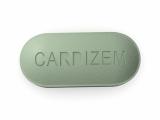
Generic Cardizem ( Diltiazem )

Cardizem
| Active ingredient | Diltiazem |
|---|---|
| Mechanism of action | Calcium-channel blocker that reduces calcium influx in vascular and cardiac smooth muscle, leading to vasodilation and decreased heart rate. |
| Common dose | Typically 120 mg, 180 mg, or 240 mg orally once daily; dosing may be adjusted based on indication and patient response. |
| What is it used for? | Treatment of stable angina pectoris, control of heart rate in atrial fibrillation, and management of hypertension. |
| Important information on taking | Take with or without food as prescribed; swallow whole tablet; do not crush or chew; maintain consistent dosing times. |
| Common side effects | Headache, dizziness, flushing, peripheral edema, nausea, and constipation. |
| Serious risks | Bradycardia, AV block, severe hypotension, and potential for heart failure exacerbation. |
| Interactions | Concurrent use with strong CYP3A4 inhibitors (e.g., clarithromycin) or inducers (e.g., rifampin) may alter diltiazem levels; caution with other cardiac glycosides. |
| Contraindications | Hypersensitivity to diltiazem or any component of the formulation; severe heart block (third-degree) without pacemaker; cardiogenic shock. |
| Legal status | Prescription-only medication in most jurisdictions. |
An overview of Cardizem
Definition and mechanism of action of Cardizem
Cardizem is a brand name for diltiazem, a calcium channel blocker used to treat hypertension and angina. It works by inhibiting the influx of calcium ions into cardiac and smooth muscle cells, which relaxes blood vessels and reduces heart workload. The inhibition decreases intracellular calcium concentration, leading to vasodilation and reduced myocardial oxygen demand. By lowering systemic vascular resistance, Cardizem helps lower blood pressure and improve blood flow to the heart. It also slows the heart rate by affecting the sinoatrial node, further decreasing cardiac output. The combined vasodilatory and rate-slowing effects relieve symptoms of angina and support long-term blood pressure control.
Understanding the pharmacological properties of Cardizem
Cardizem is the brand name for diltiazem, a calcium channel blocker used to treat hypertension and certain heart rhythm disorders. The drug works by inhibiting the influx of calcium ions into cardiac and smooth muscle cells through the l-type calcium channels. This inhibition reduces the contractility of the heart muscle and relaxes the walls of blood vessels, leading to decreased blood pressure and lower cardiac workload. By decreasing the heart's oxygen demand, Cardizem also helps relieve symptoms of angina caused by reduced blood flow to the myocardium. The medication's vasodilating effect is achieved through the relaxation of arterial smooth muscle, which lowers peripheral vascular resistance. The slowed conduction of electrical impulses through the atrial septum and atrioventricular node contributes to its use in managing certain supraventricular tachycardias. Pharmacokinetically, diltiazem is absorbed orally, reaches peak plasma concentrations within one to four hours, and is metabolized primarily by the liver enzyme cyp3a4. Its active metabolites continue to exert calcium channel blocking activity, extending the drug's therapeutic effect over several hours.
When Cardizem is indicated
| Atrial fibrillation | Typical dose: 120 mg per day divided into 2 doses; take twice daily for chronic management |
|---|---|
| Angina pectoris | Typical dose: 30 mg three times daily; take three times daily for long-term prevention |
| Heart failure | Typical dose: 20 mg three times daily; take three times daily as part of chronic therapy |
Common reactions Cardizem can cause
Side effects of Cardizem
Cardizem may cause dizziness or lightheadedness especially when standing up quickly. Some patients experience a slow heart rate or irregular heartbeat. Headache and flushing are also reported side effects. Swelling of the ankles or feet can occur. Fatigue or feeling unusually tired is another possible effect. These reactions are generally mild and temporary.
Things you should be aware of before using Cardizem
Cardizem may cause dizziness or lightheadedness as it lowers blood pressure. Some patients experience a slow heart rate known as bradycardia. Swelling of the ankles or feet can occur due to fluid retention. Headache and flushing are possible reactions as the medication affects blood vessels. In rare cases liver enzyme elevations may be detected during routine blood tests. These effects are generally mild and often improve with continued use.
Frequently observed responses to Cardizem
- Headache
- Dizziness
- Flushing
- Nausea
- Swelling of the ankles or feet
Cardizem (diltiazem) is an effective calcium-channel blocker for controlling hypertension, stable angina, and certain heart-rate disorders, but its benefits are maximized when used exactly as prescribed and alongside a healthy lifestyle. Patients should have their blood pressure and heart rate checked regularly, especially during the first few weeks, to ensure the medication is achieving the desired effect without causing excessive drops. Common side effects such as dizziness, headache, or mild swelling are usually transient, yet any sudden shortness of breath, chest pain, or rapid heartbeat warrants immediate medical attention. It's important to avoid abrupt dose changes or combining Cardizem with certain other heart-rate-affecting drugs without physician guidance, as interactions can precipitate arrhythmias. Those with severe liver disease, heart block, or known hypersensitivity to diltiazem should discuss alternatives with their clinician before starting therapy. Finally, maintaining a low-sodium diet, regular physical activity, and adequate hydration can complement the drug's actions and help achieve optimal cardiovascular control. always consult your healthcare provider before making any changes to your medication regimen.
 Douglas M. Young, D.O.
: ABEM Certified, Emergency Medicine
Douglas M. Young, D.O.
: ABEM Certified, Emergency Medicine

 Chad Jeffrey Jensen, M.D.
: ABEM Certified, Emergency Medicine
Chad Jeffrey Jensen, M.D.
: ABEM Certified, Emergency Medicine
 Jason Lai, M.D.
: ABEM Certified, Emergency Medicine
Jason Lai, M.D.
: ABEM Certified, Emergency Medicine

 Daniel Leiva, D.O.
: ABEM Certified, Emergency Medicine
Daniel Leiva, D.O.
: ABEM Certified, Emergency Medicine
 Maia Dorsett, M.D., Ph.D.
: ABEM Certified, Board Certification, Emergency Medical Services, Emergency Medicine
Maia Dorsett, M.D., Ph.D.
: ABEM Certified, Board Certification, Emergency Medical Services, Emergency Medicine


| Shipping method | Delivery time | Price | |
| Airmail service Delivery | 14-21 days | 14.95$ | Tracking# available in 4 days |
| Trackable service Delivery | 9-14 days | 30$ | Tracking# available in 2 days |
- Shipping worldwide
- Confidentiality and anonymity guarantee
- Safe and secure
- Discrete looking packages
- Dispatch orders within 24 hours
- 100% success delivery