


- Bestsellers
- Alcoholism
- Allergy
- Alzheimers
- Anti Fungal
- Anti Viral
- Anti-Depressants
- Anti-Inflammatory
- Antibacterial
- Antibiotics
- Antiparasitic
- Arthritis
- Asthma
- Birth Control
- Blood Pressure
- COVID-19
- Cancer
- Cardiovascular
- Cholesterol
- Diabetes
- Diuretics
- Erectile Dysfunction
- Eye Drop
- Gastro Health
- General Health
- HIV
- Hair Loss
- Hepatitis C Virus (HCV)
- Herbals
- Hormones
- Men's ED Packs
- Men's Health
- Mental Illness
- Motion Sickness
- Muscle Relaxant
- Pain Relief
- Parkinson’s Disease
- Quit Smoking
- Skin Care
- Sleeping Aids
- Veterinary Medicines
- Vitamins
- Weight Loss
- Women's Health
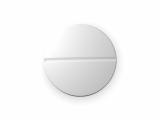
Generic Cardarone ( Amiodarone )


Cardarone
| Active ingredient | Amiodarone |
|---|---|
| Mechanism of action | Multi-channel antiarrhythmic activity (K+, Na+, Ca2+ channel blockade, b-adrenergic antagonism, a-adrenergic blockade) |
| Common dose | Loading 5-10 mg/kg/day (or 150-300 mg/day) then maintenance 200 mg/day (adjusted for renal/hepatic function) |
| What is it used for? | Management of ventricular and supraventricular arrhythmias, including atrial fibrillation and ventricular tachycardia |
| Important information on taking | Take with food; monitor thyroid, pulmonary and hepatic function regularly; stay hydrated; avoid sudden discontinuation |
| Common side effects | Nausea, taste alteration, photosensitivity, tremor, mild thyroid dysfunction |
| Serious risks | Pulmonary fibrosis, severe liver injury, fatal arrhythmias if not monitored, thyroid disease |
| Interactions | Strong CYP3A4 inhibitors/inducers, other QT-prolonging agents, anti-arrhythmics, certain anti-epileptics and antibiotics |
| Contraindications | Severe sinus node disease or AV block without pacemaker, acute severe heart failure, known hypersensitivity to amiodarone |
| Legal status | Prescription-only medication |
An overview of Cardarone
What is Cardarone and how does it work?
Cardarone is a prescription medication classified as an antiarrhythmic agent. Its primary therapeutic purpose is to maintain normal heart rhythm in patients with various types of irregular heartbeat. The drug acts by stabilizing cardiac cell membranes and prolonging the duration of the action potential. It blocks several ion channels including potassium sodium and calcium currents that modulate electrical activity. By inhibiting potassium efflux it reduces the resting membrane potential and slows the repolarization phase. Inhibition of sodium channels prolongs the plateau phase of the cardiac action potential. Calcium channel blockade further contributes to the lengthening of the refractory period. These combined effects decrease the likelihood of abnormal electrical circuits that cause arrhythmias.
Pharmacodynamics and pharmacological profile of Cardarone
Cardarone is an antiarrhythmic medication used to treat certain heart rhythm disorders. It works by blocking several cardiac ion channels including potassium sodium and calcium to prolong the refractory period of heart muscle cells. The drug also has beta-adrenergic blocking activity that further stabilizes electrical activity. These combined effects reduce abnormal electrical impulses that can cause tachyarrhythmia. Pharmacodynamically Cardarone produces dose-dependent changes in the qt interval prolongation and effective refractory time. The pharmacological profile is characterized by a slow onset but prolonged duration of action due to the lipophilic accumulation in cardiac tissue.
Clinical indications for Cardarone
| Atrial Fibrillation | Dose: 200 mg twice daily; Duration: as prescribed |
|---|---|
| Ventricular Arrhythmia | Dose: 100 mg three times daily; Duration: long-term |
| Heart Failure | Dose: 25 mg twice daily; Duration: chronic |
The most common side effects
Common side effects of Cardarone
Cardarone may cause skin reactions such as rash or photosensitivity in some individuals. Gastrointestinal disturbances like nausea or loss of appetite are occasionally reported. Patients may experience mild liver enzyme elevations without obvious symptoms. Changes in thyroid function including both overactivity and underactivity have been observed. Some users develop persistent cough or shortness of breath unrelated to heart conditions. Taste disturbances such as a metallic or bitter flavor can appear during treatment.
What to know before starting Cardarone
Common side effects of Cardarone may include dizziness or lightheadedness. Patients sometimes report fatigue or unusual tiredness. Nausea or mild stomach discomfort can occur. Constipation or changes in bowel habits are possible. Tingling or shaking of the hands and feet may be noticed. Some people experience visual disturbances such as blurred vision. Irregular heartbeat or slow pulse rates can develop. Skin reactions like rash or itching may appear.
Frequently observed responses to Cardarone
- Pulmonary toxicity (interstitial lung disease)
- Hepatotoxicity (elevated liver enzymes, hepatitis)
- Thyroid dysfunction (hypo- or hyperthyroidism)
- Photosensitivity (skin rash on sun exposure)
- Blue-gray skin discoloration
- Peripheral neuropathy
Cardarone (amiodarone) is a valuable antiarrhythmic that helps maintain sinus rhythm in patients with atrial fibrillation and other ventricular arrhythmias. Its long half-life and extensive tissue binding provide stable drug levels, but they also mean that the medication accumulates and can cause delayed side-effects. Because it can affect the thyroid, liver, lungs, and skin, regular monitoring of these organ systems is recommended throughout treatment. Potential drug interactions with substances such as digoxin, statins, and certain anticoagulants require a thorough medication review before starting Cardarone. Patients should take the drug exactly as prescribed, usually with food, and avoid skipping doses that could trigger arrhythmia recurrence. Lifestyle changes - including weight control, blood pressure management, and limiting excessive alcohol - complement pharmacologic therapy and improve overall outcomes. Finally, anyone experiencing new or worsening symptoms such as persistent cough, vision changes, or unexplained fatigue should seek medical evaluation promptly.
 Andrew Core
: ABEM, Administration, Leadership, Management
Andrew Core
: ABEM, Administration, Leadership, Management

 Subhashish Agarwal, M.D.
: ABEM Certified, Emergency Medicine
Subhashish Agarwal, M.D.
: ABEM Certified, Emergency Medicine

 Jordan Biet Barnett, M.D. MBA
: ABEM Certified, Emergency Medicine
Jordan Biet Barnett, M.D. MBA
: ABEM Certified, Emergency Medicine
 Kenneth MacLeod Rice, M.D.
: ABEM Certified, Addiction, DEA, Emergency Medicine, MyEMCert, opioids, Substance Use Disorder
Kenneth MacLeod Rice, M.D.
: ABEM Certified, Addiction, DEA, Emergency Medicine, MyEMCert, opioids, Substance Use Disorder
 William Fleischman, M.D.
: ABEM Certified, Emergency Medicine
William Fleischman, M.D.
: ABEM Certified, Emergency Medicine
 Tahisha Nicole Tolbert, M.D.
: ABEM Certified, Emergency Medicine
Tahisha Nicole Tolbert, M.D.
: ABEM Certified, Emergency Medicine
 Ryan J. Reece, MD, NRP, FACEP
: ABEM Certified, Addiction, Board Certification, DEA, Emergency Medical Services, Emergency Medicine, MyEMCert, opioids, Substance Use Disorder
Ryan J. Reece, MD, NRP, FACEP
: ABEM Certified, Addiction, Board Certification, DEA, Emergency Medical Services, Emergency Medicine, MyEMCert, opioids, Substance Use Disorder
 Ronny
: ABEM Certified, Emergency Medicine
Ronny
: ABEM Certified, Emergency Medicine
 Antonio Napolitano, M.D.
: ABEM Certified, Emergency Medicine
Antonio Napolitano, M.D.
: ABEM Certified, Emergency Medicine


| Shipping method | Delivery time | Price | |
| Airmail service Delivery | 14-21 days | 14.95$ | Tracking# available in 4 days |
| Trackable service Delivery | 9-14 days | 30$ | Tracking# available in 2 days |
- Shipping worldwide
- Confidentiality and anonymity guarantee
- Safe and secure
- Discrete looking packages
- Dispatch orders within 24 hours
- 100% success delivery