


- Bestsellers
- Alcoholism
- Allergy
- Alzheimers
- Anti Fungal
- Anti Viral
- Anti-Depressants
- Anti-Inflammatory
- Antibacterial
- Antibiotics
- Antiparasitic
- Arthritis
- Asthma
- Birth Control
- Blood Pressure
- COVID-19
- Cancer
- Cardiovascular
- Cholesterol
- Diabetes
- Diuretics
- Erectile Dysfunction
- Eye Drop
- Gastro Health
- General Health
- HIV
- Hair Loss
- Hepatitis C Virus (HCV)
- Herbals
- Hormones
- Men's ED Packs
- Men's Health
- Mental Illness
- Motion Sickness
- Muscle Relaxant
- Pain Relief
- Parkinson’s Disease
- Quit Smoking
- Skin Care
- Sleeping Aids
- Veterinary Medicines
- Vitamins
- Weight Loss
- Women's Health
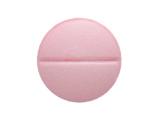
Generic Buspirone


Buspirone
| Active ingredient | Buspirone |
|---|---|
| Mechanism of action | Partial agonist at 5-HT1A receptors |
| Common dose | 5 mg twice daily |
| What is it used for? | Generalized Anxiety Disorder (GAD) |
| Important information on taking | Take as prescribed; may take 2-4 weeks for effect |
| Common side effects | Dizziness, headache, nausea, restlessness |
| Serious risks | Seizures, serotonin syndrome |
| Interactions | MAO inhibitors, SSRIs, SNRIs, other serotonergic agents |
| Contraindications | Hypersensitivity, severe liver disease |
| Legal status | Prescription only |
Understanding Buspirone and its purpose
What is Buspirone and how does it work?
Buspirone is a prescription medication classified as an anxiolytic used primarily to treat generalized anxiety disorder. It works by selectively modulating serotonin receptors in the brain, particularly the 5-ht1a subtype. This partial agonism reduces the activity of neurons that mediate anxiety symptoms. By enhancing serotonergic neurotransmission without causing sedation or dependence, it provides a non-sedating option for long-term management. The drug does not act on benzodiazepine receptors and does not produce the typical side effects associated with that class. Its gradual onset of effect distinguishes it from faster-acting alternatives. Buspirone also helps improve mood stability by influencing dopamine pathways indirectly. Overall, it offers a mechanism that targets specific receptor subtypes to alleviate anxiety over time.
Pharmacological properties of Buspirone
Buspirone is an anxiolytic medication used to relieve symptoms of generalized anxiety disorder. It works by selectively modulating serotonin receptors in the brain to produce a calming effect. Specifically it acts as a partial agonist at the 5-ht1a receptor reducing excessive neuronal firing. This receptor activation leads to downstream inhibition of dopamine release in regions associated with anxiety. By enhancing serotonin signaling it helps stabilize mood and reduce worry without sedation or dependence typical of other drugs. The medication is taken orally and reaches the bloodstream where it binds to its target receptors throughout the brain. This mechanism provides therapeutic relief from anxiety while maintaining normal cognitive function.
Conditions treated with Buspirone
| Generalized Anxiety Disorder | 15 mg twice daily for 6-12 weeks |
|---|---|
| Social Anxiety Disorder | 15 mg two times daily, up to 6 months |
| Panic Disorder | 5 mg three times daily for 8-12 weeks |
Side effects of Buspirone you should know about
Common reactions Buspirone can cause
Buspirone may cause mild dizziness in some individuals. It can lead to headache or nausea during the initial days of treatment. Some people experience slight drowsiness or fatigue. The medication sometimes causes a dry mouth sensation. Occasionally it may result in blurred vision or mild visual disturbances. Some users notice changes in appetite or weight. Overall side effects tend to be transient and often diminish with continued use. Patients often monitor ongoing symptoms during therapy.
Essential considerations before taking Buspirone
Buspirone may cause dizziness, headache, or nausea in some individuals. Feelings of lightheadedness or fatigue can also occur occasionally. Some people experience restlessness or difficulty sleeping. Mild gastrointestinal symptoms such as abdominal discomfort have been reported. In rare cases, tingling of the extremities or muscle stiffness may appear. These effects are generally transient and tend to diminish with continued use. Overall, the medication is considered to have a low incidence of severe adverse reactions.
Common reactions associated with Buspirone
- Dizziness
- Headache
- Nausea
- Drowsiness
- Dry mouth
Buspirone offers a non-sedating, low-risk option for managing generalized anxiety, especially when daytime alertness and cognitive clarity are priorities. Because it acts on serotonin 5-ht1a receptors rather than benzodiazepine pathways, it has minimal dependence potential and fewer withdrawal concerns. Nevertheless, its therapeutic effect builds gradually, so patience and consistent daily dosing are essential. Combining it with regular exercise, good sleep hygiene, and stress-reduction techniques can enhance its calming benefits without relying on medication alone. Before starting, discuss any history of liver disease, concurrent antidepressants, or sudden mood changes with your clinician to avoid interactions. Finally, set realistic expectations: improvements may be subtle at first, and it can take several weeks to feel the full anxiolytic impact. With mindful adherence and supportive lifestyle habits, Buspirone can become a valuable tool in a comprehensive anxiety-management plan.

 Mark Lewis Friedman, M.D.
: ABEM Certified, Emergency Medicine
Mark Lewis Friedman, M.D.
: ABEM Certified, Emergency Medicine
 Ben Preiss
: ABEM Certified, Emergency Medicine
Ben Preiss
: ABEM Certified, Emergency Medicine
 Connor Michael Talbott, M.D.
: ABEM Certified, Emergency Medicine
Connor Michael Talbott, M.D.
: ABEM Certified, Emergency Medicine
 William Fleischman, M.D.
: ABEM Certified, Emergency Medicine
William Fleischman, M.D.
: ABEM Certified, Emergency Medicine
 Jordan Biet Barnett, M.D. MBA
: ABEM Certified, Emergency Medicine
Jordan Biet Barnett, M.D. MBA
: ABEM Certified, Emergency Medicine
 David P. Bryant, D.O.
: ABEM Certified, Emergency Medicine
David P. Bryant, D.O.
: ABEM Certified, Emergency Medicine


| Shipping method | Delivery time | Price | |
| Airmail service Delivery | 14-21 days | 14.95$ | Tracking# available in 4 days |
| Trackable service Delivery | 9-14 days | 30$ | Tracking# available in 2 days |
- Shipping worldwide
- Confidentiality and anonymity guarantee
- Safe and secure
- Discrete looking packages
- Dispatch orders within 24 hours
- 100% success delivery