


- Bestsellers
- Alcoholism
- Allergy
- Alzheimers
- Anti Fungal
- Anti Viral
- Anti-Depressants
- Anti-Inflammatory
- Antibacterial
- Antibiotics
- Antiparasitic
- Arthritis
- Asthma
- Birth Control
- Blood Pressure
- COVID-19
- Cancer
- Cardiovascular
- Cholesterol
- Diabetes
- Diuretics
- Erectile Dysfunction
- Eye Drop
- Gastro Health
- General Health
- HIV
- Hair Loss
- Hepatitis C Virus (HCV)
- Herbals
- Hormones
- Men's ED Packs
- Men's Health
- Mental Illness
- Motion Sickness
- Muscle Relaxant
- Pain Relief
- Parkinson’s Disease
- Quit Smoking
- Skin Care
- Sleeping Aids
- Veterinary Medicines
- Vitamins
- Weight Loss
- Women's Health
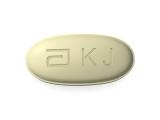
Generic Biaxin ( Clarithromycin )

Biaxin
| Active ingredient | Clarithromycin |
|---|---|
| Mechanism of action | Macrolide antibiotic that binds to the 50S ribosomal subunit and inhibits bacterial protein synthesis |
| Common dose | Typical adult dosage: 250 mg or 500 mg tablet, usually 1-2times daily for 7-14 days depending on the infection |
| What is it used for? | Treatment of various bacterial infections including respiratory tract infections, sinusitis, acute bronchitis, community-acquired pneumonia, skin and soft-tissue infections, and certain atypical infections |
| Important information on taking | Take with or without food; swallow whole; do not crush or chew; complete the full prescribed course even if symptoms improve; dosage may be adjusted for renal or hepatic impairment |
| Common side effects | Nausea, diarrhea, abdominal pain, taste alteration, headache, mild dizziness |
| Serious risks | QT-prolongation and cardiac arrhythmias, severe hepatic dysfunction, Stevens-Johnson syndrome, anaphylaxis, significant drug-drug interactions |
| Interactions | Increases levels of statins such as simvastatin and atorvastatin; enhances effects of warfarin; interacts with other QT-prolonging agents; inhibited or induced by CYP3A4 modulators |
| Contraindications | Hypersensitivity to clarithromycin or other macrolides; concomitant use of drugs that significantly prolong QT interval; severe hepatic impairment |
| Legal status | Prescription-only medication in most jurisdictions; not available over the counter |
Understanding Biaxin and its purpose
Understanding the definition and mechanism of action of Biaxin
Biaxin is a macrolide antibiotic that belongs to the class of antibacterial agents used to treat a variety of bacterial infections. Its therapeutic purpose is to inhibit bacterial protein synthesis by binding to the 50s ribosomal subunit and preventing translocation of peptidyl-trna. This binding occurs after the drug is absorbed in the gastrointestinal tract, distributed systemically, and reaches target bacterial cells through active transport mechanisms. Once inside the bacterial cell the compound is metabolized to its active form, which exhibits bacteriostatic activity against both gram-positive and gram-negative organisms. The active pharmaceutical ingredient achieves its effect by stabilizing the interaction between ribosomal rna and the nascent peptide chain, thereby halting the elongation phase of protein production. Systemic elimination of Biaxin proceeds primarily through hepatic metabolism and renal excretion, allowing the drug to maintain therapeutic concentrations in tissues with bacterial resistance issues. The resulting antimicrobial activity contributes to the resolution of infection by reducing bacterial load and supporting the host immune response.
Key pharmacological features and clinical properties of Biaxin
Biaxin is a brand name for clarithromycin, a macrolide antibiotic prescribed for bacterial infections. It works by inhibiting bacterial protein synthesis, which stops the growth of susceptible microorganisms. The drug binds to the 50s ribosomal subunit, disrupting the formation of functional proteins in bacteria. This inhibition leads to a bacteriostatic effect that halts multiplication and spread of the infection. Clarithromycin is effective against a range of gram-positive and gram-negative bacteria commonly responsible for respiratory and skin infections. Its oral formulation is absorbed in the gastrointestinal tract and distributed systemically to reach infected tissues.
Biaxin: typical uses
| Community-acquired pneumonia | 500 mg twice daily for 7-14 days |
|---|---|
| Acute bacterial sinusitis | 250 mg three times daily for 5-7 days |
| Streptococcal pharyngitis | 500 mg twice daily for 10 days |
The most common side effects
Common reactions Biaxin can cause
Biaxin may cause nausea in some patients. Diarrhea is another frequently reported side effect. Some individuals experience abdominal discomfort or pain. Headaches and a metallic taste in the mouth are also common. These reactions are usually mild and temporary. They typically resolve without medical intervention.
What to know before starting Biaxin
Common side effects of clarithromycin include nausea and vomiting. It may also cause diarrhea or abdominal cramps. Some patients report a metallic taste or changes in tongue sensation. Headache and dizziness are occasionally observed. Skin reactions such as rash or itching can develop. Elevated liver enzymes are reported in a minority of cases. Yeast infections of the mouth or vagina have been noted. These reactions are generally mild and often resolve without intervention.
Frequently observed responses to Biaxin
- Diarrhea
- Nausea
- Vomiting
- Abdominal pain
- Rash
Biaxin (clarithromycin) remains an effective macrolide antibiotic for treating a variety of bacterial infections, especially when susceptibility is confirmed and the pathogen is not likely to produce resistance. It is generally well-tolerated, but patients should be aware of the potential for gastrointestinal upset and, more importantly, the risk of drug interactions that can affect cardiac rhythm and liver enzymes. To maximize therapeutic benefit while minimizing hazards, always complete the full prescribed course even if symptoms improve early. Take the medication with food to reduce stomach irritation, and avoid concomitant use of medications such as certain statins, calcium channel blockers, or anticoagulants without consulting a healthcare professional. Patients with pre-existing liver disease, qt-prolonging conditions, or known hypersensitivity to macrolides should discuss alternative options with their clinician. Finally, report any new onset of palpitations, severe diarrhea, or allergic reactions promptly, as these may signal serious adverse effects that require immediate medical attention.
 Chad Jeffrey Jensen, M.D.
: ABEM Certified, Emergency Medicine
Chad Jeffrey Jensen, M.D.
: ABEM Certified, Emergency Medicine

 Antony Awad, D.O., M.S.
: ABEM Certified, Emergency Medicine
Antony Awad, D.O., M.S.
: ABEM Certified, Emergency Medicine
 Glenn Alan Birnbaum, M.D.
: ABEM Certified, Emergency Medicine
Glenn Alan Birnbaum, M.D.
: ABEM Certified, Emergency Medicine
 Tristen Burt, D.O.
: ABEM Certified, Emergency Medicine
Tristen Burt, D.O.
: ABEM Certified, Emergency Medicine

 Zachary Illg, D.O.
: ABEM Certified, Emergency Medicine
Zachary Illg, D.O.
: ABEM Certified, Emergency Medicine
 Jonathan Slutzman, M.D.
: ABEM Certified, Emergency Medicine
Jonathan Slutzman, M.D.
: ABEM Certified, Emergency Medicine
 Jose C. Maria-Rios, M.D.
: ABEM, ABEM Certified, Critical Care, Emergency Medicine, Internal Medicine
Jose C. Maria-Rios, M.D.
: ABEM, ABEM Certified, Critical Care, Emergency Medicine, Internal Medicine
 Noah Tal Kaufman, M.D.
: ABEM Certified, Emergency Medicine
Noah Tal Kaufman, M.D.
: ABEM Certified, Emergency Medicine
 Rebekah Hodge, M.D.
: ABEM, ABEM Certified, Critical Care, Emergency Medicine, Internal Medicine
Rebekah Hodge, M.D.
: ABEM, ABEM Certified, Critical Care, Emergency Medicine, Internal Medicine


| Shipping method | Delivery time | Price | |
| Airmail service Delivery | 14-21 days | 14.95$ | Tracking# available in 4 days |
| Trackable service Delivery | 9-14 days | 30$ | Tracking# available in 2 days |
- Shipping worldwide
- Confidentiality and anonymity guarantee
- Safe and secure
- Discrete looking packages
- Dispatch orders within 24 hours
- 100% success delivery