


- Bestsellers
- Alcoholism
- Allergy
- Alzheimers
- Anti Fungal
- Anti Viral
- Anti-Depressants
- Anti-Inflammatory
- Antibacterial
- Antibiotics
- Antiparasitic
- Arthritis
- Asthma
- Birth Control
- Blood Pressure
- COVID-19
- Cancer
- Cardiovascular
- Cholesterol
- Diabetes
- Diuretics
- Erectile Dysfunction
- Eye Drop
- Gastro Health
- General Health
- HIV
- Hair Loss
- Hepatitis C Virus (HCV)
- Herbals
- Hormones
- Men's ED Packs
- Men's Health
- Mental Illness
- Motion Sickness
- Muscle Relaxant
- Pain Relief
- Parkinson’s Disease
- Quit Smoking
- Skin Care
- Sleeping Aids
- Veterinary Medicines
- Vitamins
- Weight Loss
- Women's Health
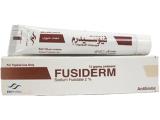
Generic Betamethasone And Fusidic Acid ( Betamethasone and Fusidic Acid )

Betamethasone and Fusidic Acid
| Active ingredient | Betamethasone; Fusidic Acid |
|---|---|
| Mechanism of action | Betamethasone: synthetic glucocorticoid that binds to glucocorticoid receptors; Fusidic Acid: antibacterial that inhibits bacterial protein synthesis |
| Common dose | Betamethasone: topical 0.05 % applied 1-2 times daily (systemic dosing varies); Fusidic Acid: 2 % cream applied 2-4 times daily |
| What is it used for? | Betamethasone: anti-inflammatory conditions (eczema, asthma, arthritis); Fusidic Acid: bacterial skin infections (impetigo, cellulitis) |
| Important information on taking | Betamethasone: apply thin layer, avoid occlusion unless advised; monitor for systemic effects; Fusidic Acid: complete the full course, avoid eye contact |
| Common side effects | Betamethasone: skin atrophy, burning, stretch marks; Fusidic Acid: burning, itching, contact dermatitis |
| Serious risks | Betamethasone: systemic absorption may cause adrenal suppression, Cushingoid features; Fusidic Acid: rare hypersensitivity reactions |
| Interactions | Betamethasone: may interact with CYP3A4 inhibitors/inducers and anticoagulants; Fusidic Acid: no significant systemic interactions |
| Contraindications | Betamethasone: untreated infections, tuberculosis; Fusidic Acid: known hypersensitivity to fusidic acid |
| Legal status | Betamethasone: prescription-only (topical and systemic); Fusidic Acid: prescription antibiotic |
Exploring the basics of Betamethasone and Fusidic Acid
Definition, therapeutic role, and mechanism of action of Betamethasone and Fusidic Acid
Betamethasone and Fusidic Acid are a corticosteroid and an antibiotic formulated for topical use. This combination is indicated for the treatment of inflammatory skin conditions that are also at risk of bacterial infection. Betamethasone reduces inflammation by binding to glucocorticoid receptors and modulating cytokine production. The topical application limits systemic absorption, thereby minimizing systemic side effects. Fusidic acid inhibits bacterial protein synthesis by binding to elongation factor g on the ribosome. This inhibition prevents the growth of susceptible gram-positive bacteria on the skin surface. Together the agents provide synergistic control of inflammation and microbial colonization. The formulation is applied locally to the affected area as directed by a healthcare professional.
Pharmacodynamics and pharmacological profile of Betamethasone and Fusidic Acid
Betamethasone is a synthetic glucocorticoid medication used for its anti-inflammatory and immunosuppressive effects. It belongs to the class of corticosteroids that modulate the body's hormonal signaling pathways to reduce inflammation and alter immune responses. In clinical practice betamethasone is prescribed to manage conditions such as severe asthma, rheumatoid arthritis, and certain skin disorders due to its potent pharmacologic activity. Fusidic acid is an antibacterial drug that inhibits bacterial protein synthesis by binding to the elongation factor g site on the ribosome. This mechanism prevents the translocation step of translation, leading to bacteriostatic activity against a range of gram-positive and some gram-negative organisms. Together Betamethasone and Fusidic Acid can be formulated in combination products where the corticosteroid controls inflammatory components while the antibiotic addresses infection. Their combined pharmacological profile reflects a synergistic interaction whereby immune modulation and microbial suppression act through distinct but complementary biological pathways.
Betamethasone and Fusidic Acid: typical uses
| Allergic inflammation (Betamethasone) | Typical dose: 0.5 mg oral daily; 1-2 times per day; 1-2 weeks |
|---|---|
| Bacterial skin infection (Fusidic Acid) | Typical dose: 2 % cream topically; 3-4 times per day; 7-14 days |
| Chronic inflammatory disease | Typical dose: varies; often 0.5 mg oral daily; long-term as prescribed |
Side effects of Betamethasone and Fusidic Acid
The most common side effects
Headache is one of the most frequently reported adverse reactions. Nausea and vomiting may occur, especially after initial doses. Fatigue or drowsiness is commonly observed in patients undergoing treatment. Dizziness or a feeling of light-headedness can affect some individuals. Changes in taste perception, such as a metallic or bitter aftertaste, have been documented. Skin reactions like rash or mild irritation sometimes develop at the application site. Mild fever or flu-like symptoms may appear, typically resolving without intervention.
What should I note before taking Betamethasone and Fusidic Acid?
Headache is one of the most frequently reported side effects. Nausea often accompanies the start of treatment. Fatigue can be experienced by many users during the first weeks. Dizziness may occur especially when standing up quickly. A dry cough is commonly observed in some patients. Skin rash appears in a minority of cases but is usually mild. Mild fever can develop and typically resolves without intervention.
Common effects experienced with Betamethasone and Fusidic Acid
- Adrenal suppression
- Hypersensitivity reactions
- Skin atrophy
- Interstitial keratitis
- Delayed wound healing
Betamethasone and Fusidic Acid are commonly combined in topical creams or ointments to treat skin conditions like eczema or dermatitis where both inflammation and bacterial infection are present. The corticosteroid (betamethasone) effectively reduces redness, swelling, and itching, while the antibiotic (fusidic acid) targets bacterial growth, making the combination particularly useful for infected or secondarily infected skin lesions. Always use this medication exactly as prescribed, applying a thin layer only to affected areas and avoiding prolonged use without medical supervision to prevent skin thinning or resistance. Do not use it for viral infections (like chickenpox), fungal infections, or acne rosacea, as it can worsen these conditions. Be sure to wash hands before and after application, and inform your doctor of any existing skin infections, allergies, or if you're pregnant or breastfeeding. If irritation or worsening occurs, discontinue use immediately and consult your healthcare provider for further evaluation. Never share this medication with others, and complete the full prescribed course even if symptoms improve early. Always seek professional medical advice before starting any new topical treatment to ensure it's appropriate for your specific condition.
 Nicholas Cochran-Caggiano
: ABEM Certified, Board Certification, Emergency Medical Services, Emergency Medicine
Nicholas Cochran-Caggiano
: ABEM Certified, Board Certification, Emergency Medical Services, Emergency Medicine

 Marco Antonio Escobedo, M.D.
: ABEM Certified, Emergency Medicine
Marco Antonio Escobedo, M.D.
: ABEM Certified, Emergency Medicine

 Esmael Mayar, M.D.
: ABEM Certified, Advanced Emergency Medicine Ultrasonography, Emergency Medicine, Focused Practice Designation, Ultrasonography, Ultrasound
Esmael Mayar, M.D.
: ABEM Certified, Advanced Emergency Medicine Ultrasonography, Emergency Medicine, Focused Practice Designation, Ultrasonography, Ultrasound
 Ryan Nicholas Renfro, M.D.
: ABEM Certified, Emergency Medicine
Ryan Nicholas Renfro, M.D.
: ABEM Certified, Emergency Medicine
 Matthew Robert Lohse, M.D.
: ABEM Certified, Advanced Emergency Medicine Ultrasonography, Emergency Medicine, Focused Practice Designation, Ultrasonography, Ultrasound
Matthew Robert Lohse, M.D.
: ABEM Certified, Advanced Emergency Medicine Ultrasonography, Emergency Medicine, Focused Practice Designation, Ultrasonography, Ultrasound
 Christopher Tegeler
: ABEM Certified, Emergency Medicine
Christopher Tegeler
: ABEM Certified, Emergency Medicine
 Sarah Kristin Kennedy, M.D.
: ABEM Certified, Advanced Emergency Medicine Ultrasonography, Emergency Medicine, Focused Practice Designation, Ultrasonography, Ultrasound
Sarah Kristin Kennedy, M.D.
: ABEM Certified, Advanced Emergency Medicine Ultrasonography, Emergency Medicine, Focused Practice Designation, Ultrasonography, Ultrasound
 Paul Anthony Testa, M.D.
: ABEM Certified, Emergency Medicine
Paul Anthony Testa, M.D.
: ABEM Certified, Emergency Medicine
 Mila L. Felder, M.D.
: ABEM Certified, Emergency Medicine
Mila L. Felder, M.D.
: ABEM Certified, Emergency Medicine
 Joshua M. McConkey, M.D.
: ABEM Certified, Board Certification, Emergency Medical Services, Emergency Medicine
Joshua M. McConkey, M.D.
: ABEM Certified, Board Certification, Emergency Medical Services, Emergency Medicine


| Shipping method | Delivery time | Price | |
| Airmail service Delivery | 14-21 days | 14.95$ | Tracking# available in 4 days |
| Trackable service Delivery | 9-14 days | 30$ | Tracking# available in 2 days |
- Shipping worldwide
- Confidentiality and anonymity guarantee
- Safe and secure
- Discrete looking packages
- Dispatch orders within 24 hours
- 100% success delivery