


- Bestsellers
- Alcoholism
- Allergy
- Alzheimers
- Anti Fungal
- Anti Viral
- Anti-Depressants
- Anti-Inflammatory
- Antibacterial
- Antibiotics
- Antiparasitic
- Arthritis
- Asthma
- Birth Control
- Blood Pressure
- COVID-19
- Cancer
- Cardiovascular
- Cholesterol
- Diabetes
- Diuretics
- Erectile Dysfunction
- Eye Drop
- Gastro Health
- General Health
- HIV
- Hair Loss
- Hepatitis C Virus (HCV)
- Herbals
- Hormones
- Men's ED Packs
- Men's Health
- Mental Illness
- Motion Sickness
- Muscle Relaxant
- Pain Relief
- Parkinson’s Disease
- Quit Smoking
- Skin Care
- Sleeping Aids
- Veterinary Medicines
- Vitamins
- Weight Loss
- Women's Health
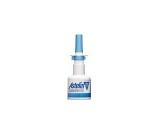
Generic Azelastine

Azelastine
| Active ingredient | Azelastine hydrochloride |
|---|---|
| Mechanism of action | H1 antihistamine and mast cell stabilizer that blocks histamine receptors and inhibits inflammatory mediator release |
| Common dose | Nasal spray 50 ug (1 spray per nostril) once daily; oral tablets 10 mg once daily; eye drops 1 drop per eye twice daily |
| What is it used for? | Relief of symptoms in allergic rhinitis, conjunctivitis, and chronic urticaria |
| Important information on taking | Use exactly as prescribed; avoid exceeding dose; inform healthcare provider of pregnancy or existing conditions; do not share the medication |
| Common side effects | Nasal irritation, bitter taste, headache, fatigue, dry mouth, cough, sore throat |
| Serious risks | Potential nasal ulceration or perforation, angioedema, severe allergic reactions (anaphylaxis) |
| Interactions | May potentiate CNS depression with alcohol or sedatives; may increase levels of CYP3A4 inhibitors |
| Contraindications | Known hypersensitivity to azelastine or any excipients; severe hepatic impairment |
| Legal status | Prescription medication in most jurisdictions; OTC availability varies by country and formulation |
A closer look at Azelastine and how it works
How Azelastine works in the body: definition and pharmacological action
Azelastine is a synthetic antihistamine medication used to relieve allergic symptoms. Its pharmacological action involves selective antagonism of histamine h1 receptors located on peripheral tissues. By blocking these receptors it prevents the binding of histamine and reduces the cascade of inflammatory events triggered by allergic reactions. The drug is absorbed after oral administration and distributes to tissues including the nasal mucosa where it exerts local activity. Its onset of action occurs within minutes due to rapid availability at the site of application when administered as a nasal spray. It also exhibits anti-inflammatory properties that are unrelated to histamine receptor blockade and contribute to its therapeutic effect. The elimination of Azelastine proceeds primarily through hepatic metabolism with minimal renal excretion. Overall the medication provides symptom relief by stabilizing mast cells indirectly and by inhibiting the release of additional inflammatory mediators.
Key pharmacological features and clinical properties of Azelastine
Azelastine is a second generation antihistamine used to relieve allergy symptoms such as sneezing and itching. It works by blocking the h1 histamine receptor on cells involved in allergic responses. By inhibiting histamine binding the drug prevents the release of inflammatory chemicals that cause swelling and mucus production. This action stabilizes mast cells and reduces the body's overreaction to allergens. Azelastine is formulated as a nasal spray that delivers the medication directly to the lining of the nose where it can quickly counteract local allergic inflammation. The combined antihistamine and anti inflammatory effects provide symptomatic relief without the need for systemic drugs.
Conditions treated with Azelastine
| Allergic rhinitis | 0.1 % nasal spray, 1-2 sprays per nostril once daily, for seasonal or perennial symptoms as needed |
|---|---|
| Urticaria | 0.1 % topical cream, applied twice daily, for acute or chronic episodes |
| Atopic dermatitis | 0.05 % topical ointment, once daily, for up to 2 weeks |
Common side effects of Azelastine
Side effects of Azelastine
Side effects of Azelastine can include mild nasal irritation dry mouth and headache. Some users may experience a temporary bitter taste after spraying the medication. Nasal bleeding or crusting can occur in rare cases but is usually not serious. Eye irritation may develop if the spray contacts the surrounding tissues. Drowsiness or fatigue has been reported in a small number of patients. Less commonly localized skin reactions such as itching or rash may appear at the application site. The frequency of serious adverse events is low and most symptoms resolve without intervention. Most reported side effects are mild and tend to resolve on their own.
What to know before starting Azelastine
Azelastine may cause mild irritation of the nasal passages after spray application. Some users report a bitter taste sensation following ocular or nasal use. Headache is also listed as a frequent complaint in clinical observations. Dryness of the throat can occur when the medication is inhaled. Occasionally, users experience drowsiness or fatigue. Visual disturbances such as blurred vision are rare but documented side effects. Injectable formulations of Azelastine are associated with temporary redness at the injection site.
Frequently observed responses to Azelastine
- Nasal irritation
- Headache
- Taste disturbance
- Cough
- Nasal congestion
Azelastine is a potent antihistamine eye drop that can quickly relieve itching and redness caused by allergic conjunctivitis, but its benefits are realized only when it is used exactly as prescribed. Patients should instill one to two drops in each affected eye twice daily, avoiding contact between the bottle tip and any surface to prevent contamination. It is advisable to wait at least five minutes after applying other ocular medications before using Azelastine, allowing each product to absorb properly. If irritation, a persistent bitter taste, or blurred vision occurs, discontinue use and contact a healthcare professional promptly. Pregnant or breastfeeding individuals should consult their physician before starting treatment, as systemic absorption is minimal but not fully ruled out. Finally, store the bottle at room temperature, keep the cap tightly closed, and discard it after the recommended 28-day use period to maintain efficacy and safety.

 Nicholas Cochran-Caggiano
: ABEM Certified, Board Certification, Emergency Medical Services, Emergency Medicine
Nicholas Cochran-Caggiano
: ABEM Certified, Board Certification, Emergency Medical Services, Emergency Medicine
 Jose C. Maria-Rios, M.D.
: ABEM, ABEM Certified, Critical Care, Emergency Medicine, Internal Medicine
Jose C. Maria-Rios, M.D.
: ABEM, ABEM Certified, Critical Care, Emergency Medicine, Internal Medicine

 Lynn C. Dezelon, M.D.
: ABEM Certified, Emergency Medicine
Lynn C. Dezelon, M.D.
: ABEM Certified, Emergency Medicine
 Ashley Grant, D.O.
: ABEM Certified, Advanced Emergency Medicine Ultrasonography, Emergency Medicine, Focused Practice Designation, Ultrasonography, Ultrasound
Ashley Grant, D.O.
: ABEM Certified, Advanced Emergency Medicine Ultrasonography, Emergency Medicine, Focused Practice Designation, Ultrasonography, Ultrasound
 Michael K. Shafe', M.D.
: 30 Years Certified, ABEM Certified, Emergency Medicine
Michael K. Shafe', M.D.
: 30 Years Certified, ABEM Certified, Emergency Medicine
 Sarah Kristin Kennedy, M.D.
: ABEM Certified, Advanced Emergency Medicine Ultrasonography, Emergency Medicine, Focused Practice Designation, Ultrasonography, Ultrasound
Ashley Grant, D.O.
: ABEM Certified, Advanced Emergency Medicine Ultrasonography, Emergency Medicine, Focused Practice Designation, Ultrasonography, Ultrasound
Sarah Kristin Kennedy, M.D.
: ABEM Certified, Advanced Emergency Medicine Ultrasonography, Emergency Medicine, Focused Practice Designation, Ultrasonography, Ultrasound
Ashley Grant, D.O.
: ABEM Certified, Advanced Emergency Medicine Ultrasonography, Emergency Medicine, Focused Practice Designation, Ultrasonography, Ultrasound
 Daniel Imas, M.D.
: ABEM Certified, Emergency Medicine
Daniel Imas, M.D.
: ABEM Certified, Emergency Medicine
 Zia Ur Rehman, D.O.
: ABEM Certified, Emergency Medicine
Zia Ur Rehman, D.O.
: ABEM Certified, Emergency Medicine
 Devin Matthew Howell, D.O.
: ABEM Certified, Board Certification, Emergency Medical Services, Emergency Medicine
Devin Matthew Howell, D.O.
: ABEM Certified, Board Certification, Emergency Medical Services, Emergency Medicine
 Robert Charles Ford III, D.O.
: ABEM Certified, Addiction, DEA, Emergency Medicine, MyEMCert, opioids, Substance Use Disorder
Robert Charles Ford III, D.O.
: ABEM Certified, Addiction, DEA, Emergency Medicine, MyEMCert, opioids, Substance Use Disorder


| Shipping method | Delivery time | Price | |
| Airmail service Delivery | 14-21 days | 14.95$ | Tracking# available in 4 days |
| Trackable service Delivery | 9-14 days | 30$ | Tracking# available in 2 days |
- Shipping worldwide
- Confidentiality and anonymity guarantee
- Safe and secure
- Discrete looking packages
- Dispatch orders within 24 hours
- 100% success delivery