


- Bestsellers
- Alcoholism
- Allergy
- Alzheimers
- Anti Fungal
- Anti Viral
- Anti-Depressants
- Anti-Inflammatory
- Antibacterial
- Antibiotics
- Antiparasitic
- Arthritis
- Asthma
- Birth Control
- Blood Pressure
- COVID-19
- Cancer
- Cardiovascular
- Cholesterol
- Diabetes
- Diuretics
- Erectile Dysfunction
- Eye Drop
- Gastro Health
- General Health
- HIV
- Hair Loss
- Hepatitis C Virus (HCV)
- Herbals
- Hormones
- Men's ED Packs
- Men's Health
- Mental Illness
- Motion Sickness
- Muscle Relaxant
- Pain Relief
- Parkinson’s Disease
- Quit Smoking
- Skin Care
- Sleeping Aids
- Veterinary Medicines
- Vitamins
- Weight Loss
- Women's Health
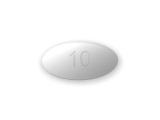
Generic Atorvastatin

Atorvastatin
| Active ingredient | Atorvastatin calcium |
|---|---|
| Mechanism of action | Inhibits HMG-CoA reductase, reducing cholesterol synthesis in the liver |
| Common dose | Typically 10 mg to 80 mg once daily, often starting at 10 mg |
| What is it used for? | Lowers LDL cholesterol and triglycerides, raises HDL cholesterol; used for hyperlipidemia and to reduce cardiovascular risk |
| Important information on taking | Take once daily, with or without food; do not crush or chew; monitor liver enzymes; avoid excessive alcohol |
| Common side effects | Muscle aches, diarrhea, headache, nausea |
| Serious risks | Rhabdomyolysis, severe hepatic dysfunction, allergic reactions |
| Interactions | Interacts with certain antibiotics, antifungals, grapefruit juice, and other cholesterol-lowering drugs |
| Contraindications | Active liver disease, pregnancy, breastfeeding, known hypersensitivity to atorvastatin |
| Legal status | Prescription-only medication (Rx) in most countries |
Understanding Atorvastatin and its purpose
Understanding the definition and mechanism of action of Atorvastatin
Atorvastatin is a synthetic lipid-lowering medication that belongs to the class of hmg-coa reductase inhibitors. It is prescribed to reduce elevated blood cholesterol and triglyceride levels and to slow the progression of cardiovascular disease. The drug exerts its primary pharmacokinetic effect by reversibly binding to the catalytic site of hepatic hmg-coa reductase thereby decreasing the synthesis of mevalonate a precursor of cholesterol. Resulting inhibition of cholesterol production leads to increased expression of hepatic ldl receptors which enhances the clearance of low-density lipoprotein particles from the circulation. The downstream reduction in plasma cholesterol also alters feedback mechanisms that diminish endogenous triglyceride synthesis and improve overall lipid profile. These combined actions lower serum cholesterol and lipoprotein levels supporting primary and secondary prevention of atherosclerotic cardiovascular events.
Understanding the pharmacological properties of Atorvastatin
Atorvastatin is a prescription medication classified as a cholesterol-lowering drug. It belongs to the class of statins that inhibit the enzyme hmg-coa reductase. By blocking this enzyme, Atorvastatin reduces the production of cholesterol in the liver. The lowered cholesterol levels decrease the risk of atherosclerosis and cardiovascular events. The drug acts on the mevalonate pathway, leading to decreased synthesis of low-density lipoprotein particles. This reduction in circulating low-density lipoprotein improves vascular health over time. Atorvastatin also modestly increases high-density lipoprotein cholesterol, further supporting lipid balance. These coordinated effects produce its therapeutic role in managing elevated blood lipids.
Medical indications for Atorvastatin
| Hypercholesterolemia | 10 mg once daily, long-term |
|---|---|
| Familial Hypercholesterolemia | 20 mg once daily, long-term |
| Atherosclerotic Cardiovascular Disease | 40-80 mg once daily, long-term |
The most common side effects
Common side effects of Atorvastatin
Atorvastatin may cause muscle pain or weakness in some individuals. It can occasionally lead to digestive discomfort such as nausea or diarrhea. Some people report mild headaches or dizziness while taking the medication. Changes in liver function tests can occur, though they are usually detected through routine blood work. Fatigue or a feeling of low energy is another reported side effect. In rare cases, skin rash or itching may develop as a reaction to the drug.
Things you should be aware of before using Atorvastatin
Muscle aches can occur in some people taking Atorvastatin. Headaches are reported by a small number of users. Digestive discomfort such as nausea or diarrhea may happen. Some individuals notice a mild skin rash. Elevated liver enzymes have been observed in rare cases. These effects are generally mild and often resolve with continued use.
Typical reactions to Atorvastatin
- Headache
- Myalgia
- Diarrhea
- Abdominal pain
- Nausea
Atorvastatin has proven to be one of the most effective tools for lowering ldl-cholesterol and reducing the risk of heart attack and stroke when used as part of a comprehensive cardiovascular plan. Its once-daily dosing, well-understood safety profile, and widespread availability make it a convenient option for most patients who need stronger lipid control. However, the drug is only as powerful as the lifestyle choices that surround it, so pairing it with heart-healthy habits maximizes its benefit. Always discuss any existing liver or kidney conditions, pregnancy, or potential drug interactions with your healthcare provider before starting. Start with the lowest effective dose and allow a few weeks for the full cholesterol-lowering effect to appear. Finally, remember that medication works best when combined with a balanced diet, regular physical activity, and regular follow-up labs to track progress.

 Subhashish Agarwal, M.D.
: ABEM Certified, Emergency Medicine
Subhashish Agarwal, M.D.
: ABEM Certified, Emergency Medicine
 Esmael Mayar, M.D.
: ABEM Certified, Advanced Emergency Medicine Ultrasonography, Emergency Medicine, Focused Practice Designation, Ultrasonography, Ultrasound
Esmael Mayar, M.D.
: ABEM Certified, Advanced Emergency Medicine Ultrasonography, Emergency Medicine, Focused Practice Designation, Ultrasonography, Ultrasound
 Nadine Talia, M.D.
: ABEM Certified, Emergency Medicine
Nadine Talia, M.D.
: ABEM Certified, Emergency Medicine
 Glenn Alan Birnbaum, M.D.
: ABEM Certified, Emergency Medicine
Glenn Alan Birnbaum, M.D.
: ABEM Certified, Emergency Medicine


| Shipping method | Delivery time | Price | |
| Airmail service Delivery | 14-21 days | 14.95$ | Tracking# available in 4 days |
| Trackable service Delivery | 9-14 days | 30$ | Tracking# available in 2 days |
- Shipping worldwide
- Confidentiality and anonymity guarantee
- Safe and secure
- Discrete looking packages
- Dispatch orders within 24 hours
- 100% success delivery