


- Bestsellers
- Alcoholism
- Allergy
- Alzheimers
- Anti Fungal
- Anti Viral
- Anti-Depressants
- Anti-Inflammatory
- Antibacterial
- Antibiotics
- Antiparasitic
- Arthritis
- Asthma
- Birth Control
- Blood Pressure
- COVID-19
- Cancer
- Cardiovascular
- Cholesterol
- Diabetes
- Diuretics
- Erectile Dysfunction
- Eye Drop
- Gastro Health
- General Health
- HIV
- Hair Loss
- Hepatitis C Virus (HCV)
- Herbals
- Hormones
- Men's ED Packs
- Men's Health
- Mental Illness
- Motion Sickness
- Muscle Relaxant
- Pain Relief
- Parkinson’s Disease
- Quit Smoking
- Skin Care
- Sleeping Aids
- Veterinary Medicines
- Vitamins
- Weight Loss
- Women's Health
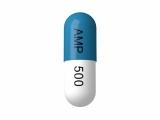
Generic Ampicillin ( Acillin )

Ampicillin
| Active ingredient | Ampicillin |
|---|---|
| Mechanism of action | Inhibits bacterial cell wall synthesis by interfering with penicillin-binding proteins |
| Common dose | Typically 250-500 mg every 6 hours for adults; pediatric doses vary with weight |
| What is it used for? | Treatment of various bacterial infections such as respiratory, urinary, and skin infections |
| Important information on taking | Take on an empty stomach (1hour before or 2 hours after meals) and complete the full prescribed course |
| Common side effects | Diarrhea, nausea, vomiting, rash |
| Serious risks | Allergic reactions including anaphylaxis, severe colitis |
| Interactions | May affect oral contraceptives; additive toxicity with methotrexate; b-lactamase inhibitors may alter kinetics |
| Contraindications | Hypersensitivity to penicillins or cephalosporins; severe renal impairment without dose adjustment |
| Legal status | Prescription-only in most regions; classified as a controlled substance in some countries |
An overview of Ampicillin
How Ampicillin works in the body: definition and pharmacological action
Ampicillin is a broad-spectrum antibiotic that inhibits bacterial cell wall synthesis. It is administered orally or by injection to treat various infections. The drug binds to penicillin-binding proteins and prevents the cross-linking of peptidoglycan. This disruption weakens the bacterial cell wall and leads to osmotic lysis. As a bactericidal agent it primarily targets gram-positive and some gram-negative organisms. It is classified as a beta-lactam antibiotic and shares the typical resistance mechanisms of this class. Ampicillin therefore reduces bacterial proliferation and facilitates clearance of infection.
Pharmacological properties of Ampicillin
Ampicillin is a synthetic penicillin derivative used to treat a variety of bacterial infections. It works by interfering with the formation of bacterial cell walls which stops the organisms from growing. The drug binds to penicillin binding proteins and prevents cross linking of peptidoglycan strands. This action leads to a weakening of the cell wall and results in the death of susceptible bacteria. Ampicillin is active against many gram positive and gram negative species making it useful in empirical therapy. Its pharmacological effect relies on the disruption of cell wall synthesis to produce a bactericidal outcome.
Therapeutic indications for Ampicillin
| Respiratory Tract Infection | 500 mg PO q6 h (4 times daily) for 7-14 days |
|---|---|
| Skin and Soft Tissue Infection | 500 mg PO q6 h (4 times daily) for 10-14 days |
| Urinary Tract Infection | 500 mg PO q6 h (4 times daily) for 7-14 days |
Common side effects of Ampicillin
Common reactions Ampicillin can cause
Common side effects of Ampicillin include diarrhea, nausea, and abdominal pain. These reactions are usually mild and may resolve without intervention. In some cases, a harmless rash or itching can develop on the skin. Rarely, the drug may cause a yeast infection due to disruption of normal flora. Less frequently, changes in taste or mild headaches have been reported. Most adverse effects do not require medical attention unless they persist or worsen. Overall, the majority of people experience only minor or no reactions to Ampicillin.
What to know before starting Ampicillin
Ampicillin may cause gastrointestinal symptoms such as nausea and mild diarrhea. Some patients experience abdominal discomfort or cramping. A skin rash or itching can develop as an allergic response. In rare cases, a more pronounced allergic reaction leading to hives may occur. The drug can occasionally affect liver function, resulting in elevated enzymes. Headaches are reported by a small proportion of users. Mild dizziness or light-headedness may be experienced. These reactions are generally transient and resolve upon discontinuation of the medication.
Typical reactions to Ampicillin
- Rash
- Diarrhea
- Nausea
- Vomiting
- Allergic reactions
Ampicillin remains a valuable first-line antibiotic for many gram-positive and gram-negative infections when susceptibility is confirmed and the patient has no penicillin allergy. It is most effective when administered on schedule, with dosing intervals carefully followed to maintain therapeutic levels. Patients should complete the full prescribed course even if symptoms improve early, to prevent resistance development. Adequate hydration and taking the drug with food (if advised) can reduce gastrointestinal upset without compromising absorption. If diarrhea, rash, or fever develop during therapy, medical attention should be sought promptly, as these may signal an adverse reaction. Finally, before starting Ampicillin, it is essential to review current medications and medical history with a healthcare provider to avoid harmful interactions and ensure appropriate use.
 Michael K. Shafe', M.D.
: 30 Years Certified, ABEM Certified, Emergency Medicine
Michael K. Shafe', M.D.
: 30 Years Certified, ABEM Certified, Emergency Medicine

 Glenn Alan Birnbaum, M.D.
: ABEM Certified, Emergency Medicine
Glenn Alan Birnbaum, M.D.
: ABEM Certified, Emergency Medicine
 Ronny
: ABEM Certified, Emergency Medicine
Ronny
: ABEM Certified, Emergency Medicine
 Zia Ur Rehman, D.O.
: ABEM Certified, Emergency Medicine
Zia Ur Rehman, D.O.
: ABEM Certified, Emergency Medicine
 Royale Nichols, M.D.
: ABEM Certified, Emergency Medicine
Royale Nichols, M.D.
: ABEM Certified, Emergency Medicine
 Amy R McManus, M.D.
: ABEM Certified, Emergency Medicine
Michael K. Shafe', M.D.
: 30 Years Certified, ABEM Certified, Emergency Medicine
Amy R McManus, M.D.
: ABEM Certified, Emergency Medicine
Michael K. Shafe', M.D.
: 30 Years Certified, ABEM Certified, Emergency Medicine

 Ryan Nicholas Renfro, M.D.
: ABEM Certified, Emergency Medicine
Ryan Nicholas Renfro, M.D.
: ABEM Certified, Emergency Medicine


| Shipping method | Delivery time | Price | |
| Airmail service Delivery | 14-21 days | 14.95$ | Tracking# available in 4 days |
| Trackable service Delivery | 9-14 days | 30$ | Tracking# available in 2 days |
- Shipping worldwide
- Confidentiality and anonymity guarantee
- Safe and secure
- Discrete looking packages
- Dispatch orders within 24 hours
- 100% success delivery