


- Bestsellers
- Alcoholism
- Allergy
- Alzheimers
- Anti Fungal
- Anti Viral
- Anti-Depressants
- Anti-Inflammatory
- Antibacterial
- Antibiotics
- Antiparasitic
- Arthritis
- Asthma
- Birth Control
- Blood Pressure
- COVID-19
- Cancer
- Cardiovascular
- Cholesterol
- Diabetes
- Diuretics
- Erectile Dysfunction
- Eye Drop
- Gastro Health
- General Health
- HIV
- Hair Loss
- Hepatitis C Virus (HCV)
- Herbals
- Hormones
- Men's ED Packs
- Men's Health
- Mental Illness
- Motion Sickness
- Muscle Relaxant
- Pain Relief
- Parkinson’s Disease
- Quit Smoking
- Skin Care
- Sleeping Aids
- Veterinary Medicines
- Vitamins
- Weight Loss
- Women's Health
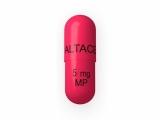
Generic Altace ( Ramipril )

Altace
| Active ingredient | Ramipril |
|---|---|
| Mechanism of action | Angiotensin-II converting enzyme (ACE) inhibitor - blocks conversion of angiotensin I to angiotensinII, causing vasodilation |
| Common dose | Typically 2.5 mg-20 mg once daily (often 5 mg or 10 mg as maintenance) |
| What is it used for? | Hypertension and heart failure; improves survival after myocardial infarction |
| Important information on taking | Take on an empty stomach, swallow whole, monitor blood pressure and kidney function regularly |
| Common side effects | Cough, headache, dizziness, fatigue |
| Serious risks | Angioedema, hyper-kalaemia, acute renal impairment, symptomatic hypotension |
| Interactions | NSAIDs, potassium-containing supplements, other ACE inhibitors, diuretics, lithium |
| Contraindications | Pregnancy, known angioedema from ACE-inhibitor use, bilateral renal artery stenosis |
| Legal status | Prescription-only medication (prescription required) |
Understanding Altace and its purpose
Definition and mechanism of action of Altace
Altace is the brand name for the ace inhibitor ramipril. It is used therapeutically to treat hypertension and heart failure by relaxing blood vessels. The drug works by inhibiting the conversion of angiotensin i to angiotensin ii, a peptide that causes vasoconstriction. By blocking this step, ramipril reduces vasoconstriction and lowers systemic vascular resistance. The decrease in blood pressure follows from the reduced resistance and improved cardiac output. Additionally, the inhibition slows the progression of kidney damage in patients with diabetic nephropathy. This mechanism provides a consistent antihypertensive effect without stimulating the sympathetic nervous system.
Pharmacological properties of Altace
Altace is the brand name for the angiotensin-converting enzyme inhibitor ramipril. It is classified as an angiotensin-converting enzyme inhibitor medication. The drug is prescribed to help manage high blood pressure and to reduce the risk of cardiovascular complications. Its therapeutic role involves blocking the conversion of angiotensin i to angiotensin ii, a peptide that causes blood vessels to narrow. By inhibiting this enzyme, ramipril promotes relaxation of blood vessels and lowers systemic vascular resistance. This action leads to decreased blood pressure and improved blood flow to vital organs. The pharmacological mechanism achieves its effect by interacting with the renin-angiotensin system at the level of ace, reducing the formation of vasoconstrictive molecules. As a result, the medication helps maintain cardiovascular stability without directly affecting heart rate or cardiac contractility.
Therapeutic indications for Altace
| Hypertension | Typical dose: 2.5 mg once daily; continue as prescribed, often long-term |
|---|---|
| Heart Failure | Typical dose: 1.25-2.5 mg once daily; continue as prescribed, usually chronic |
| Diabetic Nephropathy | Typical dose: 1.25 mg once daily; continue as prescribed, usually lifelong |
Common side effects of Altace
Common side effects of Altace
Altace may cause a persistent dry cough in some patients. It can also lead to dizziness, especially when standing up quickly. Some individuals experience headaches or fatigue during treatment. A mild skin rash is reported occasionally as a side effect. Swelling of the lips or face may occur in rare cases of allergic reaction. Changes in taste sensation have been noted by a small number of users.
What should I note before taking Altace?
Cough is often reported as a common side effect of Altace. Some patients experience dizziness or light-headedness when taking the medication. Headache frequently occurs during treatment. Fatigue may be felt by individuals using Altace. Nausea is another frequent complaint among users. Mild skin rash can appear in a small number of cases.
Frequently observed responses to Altace
- Headache
- Dizziness
- Fatigue
- Cough
- Nausea
Altace (ramipril) can be an effective option for managing high blood pressure or heart failure, but its benefits are maximized when taken consistently and under medical supervision. Potential users should have their kidney function checked before starting, as dosage adjustments may be needed for those with renal impairment. It is important to monitor for common side effects such as a dry cough or dizziness, especially when the medication is first introduced. Staying well-hydrated and avoiding excessive potassium-rich supplements can help prevent electrolyte-related complications. Users should refrain from taking Altace during pregnancy and should discuss any concurrent medications with their clinician to avoid harmful interactions. Finally, regular follow-up appointments are essential to ensure blood pressure remains within the target range and to address any emerging concerns promptly. Always consult a healthcare professional before initiating or changing any prescription regimen.
 Joshua M. McConkey, M.D.
: ABEM Certified, Board Certification, Emergency Medical Services, Emergency Medicine
Joshua M. McConkey, M.D.
: ABEM Certified, Board Certification, Emergency Medical Services, Emergency Medicine

 Daniel Leiva, D.O.
: ABEM Certified, Emergency Medicine
Daniel Leiva, D.O.
: ABEM Certified, Emergency Medicine
 Subhashish Agarwal, M.D.
: ABEM Certified, Emergency Medicine
Subhashish Agarwal, M.D.
: ABEM Certified, Emergency Medicine
 Nadine Talia, M.D.
: ABEM Certified, Emergency Medicine
Nadine Talia, M.D.
: ABEM Certified, Emergency Medicine
 Christopher Kaczmarczyk, D.O., FACEP, AEMUS
: ABEM Certified, Advanced Emergency Medicine Ultrasonography, Emergency Medicine, Focused Practice Designation, Ultrasonography, Ultrasound
Christopher Kaczmarczyk, D.O., FACEP, AEMUS
: ABEM Certified, Advanced Emergency Medicine Ultrasonography, Emergency Medicine, Focused Practice Designation, Ultrasonography, Ultrasound
 Mila L. Felder, M.D.
: ABEM Certified, Emergency Medicine
Mila L. Felder, M.D.
: ABEM Certified, Emergency Medicine


| Shipping method | Delivery time | Price | |
| Airmail service Delivery | 14-21 days | 14.95$ | Tracking# available in 4 days |
| Trackable service Delivery | 9-14 days | 30$ | Tracking# available in 2 days |
- Shipping worldwide
- Confidentiality and anonymity guarantee
- Safe and secure
- Discrete looking packages
- Dispatch orders within 24 hours
- 100% success delivery