


- Bestsellers
- Alcoholism
- Allergy
- Alzheimers
- Anti Fungal
- Anti Viral
- Anti-Depressants
- Anti-Inflammatory
- Antibacterial
- Antibiotics
- Antiparasitic
- Arthritis
- Asthma
- Birth Control
- Blood Pressure
- COVID-19
- Cancer
- Cardiovascular
- Cholesterol
- Diabetes
- Diuretics
- Erectile Dysfunction
- Eye Drop
- Gastro Health
- General Health
- HIV
- Hair Loss
- Hepatitis C Virus (HCV)
- Herbals
- Hormones
- Men's ED Packs
- Men's Health
- Mental Illness
- Motion Sickness
- Muscle Relaxant
- Pain Relief
- Parkinson’s Disease
- Quit Smoking
- Skin Care
- Sleeping Aids
- Veterinary Medicines
- Vitamins
- Weight Loss
- Women's Health
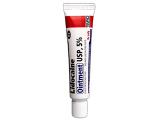
Generic Xylocaine ( Lidocaine )

Xylocaine
| Active ingredient | Lidocaine |
|---|---|
| Mechanism of action | Blocks voltage-gated sodium channels, preventing nerve impulse transmission |
| Common dose | Topical 2 % gel/cream; injectable 1-2 % solution; systemic dosing typically 0.5-2 mg/kg (max 3 mg/kg) |
| What is it used for? | Local anesthesia, dental procedures, minor surgeries, topical pain relief |
| Important information on taking | Use only as directed, do not exceed recommended dose, store at room temperature, keep away from heat and open flame |
| Common side effects | Redness, mild burning, itching, nausea, dizziness |
| Serious risks | Seizures, cardiac arrest, methemoglobinemia, allergic reactions |
| Interactions | May increase toxicity with other sodium-channel blockers, certain antiarrhythmics, and epinephrine-containing formulations |
| Contraindications | Hypersensitivity to lidocaine or other amide anesthetics, severe hepatic impairment, existing methemoglobinemia |
| Legal status | Prescription-only in most jurisdictions; certain topical strengths available over-the-counter |
Understanding Xylocaine and its purpose
Definition and mechanism of action of Xylocaine
Xylocaine is a brand name for lidocaine, a synthetic amide local anesthetic. It is used primarily for local anesthesia and to treat certain cardiac arrhythmias. The drug works by reversibly blocking voltage gated sodium channels in excitable membranes. This inhibits the influx of sodium ions, preventing depolarization and the generation of nerve impulses. The onset of block is rapid, providing a numbing effect that lasts for about one to two hours depending on concentration. In the cardiovascular system, it stabilizes the cardiac rhythm by slowing the conduction velocity through the his-purkinje system. Pharmacodynamically, the inhibition of sodium channels reduces neuronal excitability, producing analgesic, antiarrhythmic, and anesthetic properties.
Key pharmacological features and clinical properties of Xylocaine
Xylocaine is the brand name for the local anesthetic agent lidocaine. It belongs to the amide class of synthetic anesthetic drugs used clinically to block nerve conduction. Its primary therapeutic role is to provide regional anesthesia for surgical procedures and to relieve pain in minor interventions. Xylocaine is also formulated as a topical solution for surface anesthesia of mucous membranes before medical examinations. The drug works by stabilizing voltage-gated sodium channels in neuronal membranes preventing the rise of action potentials. This inhibition reduces the influx of sodium ions thereby decreasing the transmission of pain signals to the brain. Because of its rapid onset and predictable duration the medication is widely preferred for dental procedures and short-term nerve blocks. Pharmacokinetic studies show that after topical or infiltrative administration lidocaine is metabolized hepatic into inactive metabolites that are excreted renally.
Clinical indications for Xylocaine
| Local anesthesia (e.g., dental procedures) | 2 % solution, 0.5 mL per injection; 1-2 times per day, up to 7 days |
|---|---|
| Spinal anesthesia | 5 % solution, 3-5 mL single dose; single administration as needed |
| Topical skin preparation | 4 % cream, 1-2 g applied; every 8-12 hours for 3-5 days |
The most common side effects
Side effects of Xylocaine you should know about
Xylocaine may cause temporary numbness or tingling in the treated area. Some individuals experience mild skin irritation or redness at the application site. Rarely, dizziness or lightheadedness can occur after administration. Headache and blurred vision have been reported in a small number of cases. Unusual metallic taste may be perceived shortly after use. In very rare instances, allergic reactions such as rash or swelling can develop. These effects are generally mild and resolve without intervention.
What should I note before taking Xylocaine?
Common side effects of Xylocaine include temporary dizziness and lightheadedness. Some users may experience nausea or mild headache. Localized irritation or redness can occur at the injection site. Rare allergic reactions such as rash or swelling are possible. Certain individuals report temporary muscle weakness or tingling. These effects are generally mild and resolve quickly. The overall incidence of serious complications remains low across populations.
Frequently reported effects of Xylocaine
- Tingling sensation
- Numbness
- Redness at injection site
- Swelling
- Burning sensation
Xylocaine (lidocaine) remains a widely used topical and infiltrative anesthetic for minor surgical procedures, dental work, and pain-relief applications when used according to established protocols. Its rapid onset and short duration make it ideal for situations that require quick, controllable anesthesia without prolonged postoperative numbness. However, because it can cause systemic toxicity at high plasma concentrations, it should only be administered by trained professionals who can calculate doses based on body weight and the specific formulation. Users must avoid exceeding the maximum recommended dose, especially when combining it with other anesthetic agents or applying it over large surface areas or mucous membranes. Pregnant or lactating individuals, as well as patients with cardiac conduction abnormalities, should consult a healthcare provider before use. Finally, store Xylocaine away from heat and moisture, keep it out of reach of children, and discard any solution that appears cloudy or discolored.
 Devin Matthew Howell, D.O.
: ABEM Certified, Board Certification, Emergency Medical Services, Emergency Medicine
Devin Matthew Howell, D.O.
: ABEM Certified, Board Certification, Emergency Medical Services, Emergency Medicine

 Kenneth MacLeod Rice, M.D.
: ABEM Certified, Addiction, DEA, Emergency Medicine, MyEMCert, opioids, Substance Use Disorder
Kenneth MacLeod Rice, M.D.
: ABEM Certified, Addiction, DEA, Emergency Medicine, MyEMCert, opioids, Substance Use Disorder
 Adam Ethan Leisy, M.D.
: ABEM Certified, Board Certification, Emergency Medical Services, Emergency Medicine
Adam Ethan Leisy, M.D.
: ABEM Certified, Board Certification, Emergency Medical Services, Emergency Medicine
 Christopher Andrew McCuller, M.D.
: ABEM Certified, Emergency Medicine
Christopher Andrew McCuller, M.D.
: ABEM Certified, Emergency Medicine
 John Dayton
: ABEM Certified, Emergency Medicine
John Dayton
: ABEM Certified, Emergency Medicine
 Zia Ur Rehman, D.O.
: ABEM Certified, Emergency Medicine
Christopher Andrew McCuller, M.D.
: ABEM Certified, Emergency Medicine
Zia Ur Rehman, D.O.
: ABEM Certified, Emergency Medicine
Christopher Andrew McCuller, M.D.
: ABEM Certified, Emergency Medicine
 Thomas Peterson, D.O.
: ABEM Certified, Emergency Medicine
Thomas Peterson, D.O.
: ABEM Certified, Emergency Medicine

 Daniel Leiva, D.O.
: ABEM Certified, Emergency Medicine
Daniel Leiva, D.O.
: ABEM Certified, Emergency Medicine


| Shipping method | Delivery time | Price | |
| Airmail service Delivery | 14-21 days | 14.95$ | Tracking# available in 4 days |
| Trackable service Delivery | 9-14 days | 30$ | Tracking# available in 2 days |
- Shipping worldwide
- Confidentiality and anonymity guarantee
- Safe and secure
- Discrete looking packages
- Dispatch orders within 24 hours
- 100% success delivery