


- Bestsellers
- Alcoholism
- Allergy
- Alzheimers
- Anti Fungal
- Anti Viral
- Anti-Depressants
- Anti-Inflammatory
- Antibacterial
- Antibiotics
- Antiparasitic
- Arthritis
- Asthma
- Birth Control
- Blood Pressure
- COVID-19
- Cancer
- Cardiovascular
- Cholesterol
- Diabetes
- Diuretics
- Erectile Dysfunction
- Eye Drop
- Gastro Health
- General Health
- HIV
- Hair Loss
- Hepatitis C Virus (HCV)
- Herbals
- Hormones
- Men's ED Packs
- Men's Health
- Mental Illness
- Motion Sickness
- Muscle Relaxant
- Pain Relief
- Parkinson’s Disease
- Quit Smoking
- Skin Care
- Sleeping Aids
- Veterinary Medicines
- Vitamins
- Weight Loss
- Women's Health
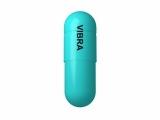
Generic Vibramycin ( Doxycycline )

Vibramycin
| Active ingredient | Doxycycline hyclate |
|---|---|
| Mechanism of action | Inhibits bacterial protein synthesis by binding to the 30S ribosomal subunit |
| Common dose | 100 mg once daily (adjusted per infection and response) |
| What is it used for? | Treatment of bacterial infections such as acne, urinary tract infections, respiratory infections, and others |
| Important information on taking | Take with a full glass of water; remain upright for at least 30 minutes; can be taken with or without food; avoid dairy, antacids, or supplements containing calcium, magnesium, or aluminum |
| Common side effects | Nausea, vomiting, diarrhea, photosensitivity, vaginal yeast infection |
| Serious risks | Esophageal irritation, severe allergic reactions, permanent tooth discoloration in children, increased intracranial pressure |
| Interactions | With isotretinoin, warfarin, oral contraceptives, antacids containing aluminum/calcium/magnesium, dairy products, and certain vitamins |
| Contraindications | Hypersensitivity to tetracyclines, severe liver disease, pregnancy (second/third trimester), children under 8 years |
| Legal status | Prescription-only medication (Rx) in most jurisdictions |
A closer look at Vibramycin and how it works
Definition, therapeutic role, and mechanism of action of Vibramycin
Vibramycin is the brand name for the tetracycline antibiotic doxycycline. It is classified as a broad-spectrum antibiotic used to treat bacterial infections. The medication works by inhibiting bacterial protein synthesis through binding to the 30s ribosomal subunit. This action prevents the incorporation of amino acids into newly forming peptides and halts bacterial growth. The active ingredient doxycycline penetrates host tissues and remains effective against both gram-positive and gram-negative organisms. By stopping the production of essential bacterial proteins the drug clears infections and reduces inflammation associated with the pathogen. Consequently the physiological processes of bacterial replication and infection are suppressed allowing the immune system to resolve the disease.
Understanding the pharmacological properties of Vibramycin
Vibramycin is the brand name for the antibiotic doxycycline that is used to treat bacterial infections. It works by inhibiting bacterial protein synthesis, which stops the growth of susceptible microorganisms. The drug binds to the 30s ribosomal subunit of bacteria and prevents the attachment of aminoacyl-trna to the messenger rna. This blockade disrupts the formation of the peptide chain and ultimately leads to bacterial cell death. Vibramycin is classified as a broad-spectrum tetracycline antibiotic that is effective against many gram-positive and gram-negative organisms. It is commonly prescribed for respiratory tract infections, acne, and certain tick-borne diseases. The medication is absorbed well from the gastrointestinal tract and is distributed widely throughout the body. Its ability to penetrate infected tissues allows it to act directly at the site of infection where it exerts its antibacterial activity.
Therapeutic indications for Vibramycin
| Lyme disease | 100 mg twice daily for 10-14 days |
|---|---|
| Rheumatoid arthritis | 100 mg once daily, typically for 2-3 months (may be extended) |
| Atypical Mycobacterial infection | 100 mg once daily for 6 months |
Common reactions Vibramycin can cause
The most common side effects
The most frequent side effects of many medications are mild and short lived such as headache and nausea. They may also cause dizziness fatigue or mild stomach discomfort. In some cases a patient might experience temporary skin rash or increased sensitivity to light. These reactions are generally not dangerous and often resolve without intervention. Less common effects can include changes in appetite or mild sleep disturbances. Most individuals notice improvement as the body adjusts to the treatment. Understanding these typical responses helps in recognizing normal patterns of drug exposure.
Important information to consider before taking Vibramycin
The most common side effects include fatigue, headache, nausea, muscle aches, fever, and injection site reactions. These reactions are usually mild and short-lived. Common systemic effects may also involve chills or joint pain. Local discomfort at the injection site often appears as redness or soreness. Serious adverse events are rare and occur less frequently than the mild symptoms listed. Overall, the profile of side effects is consistent across different age groups and health backgrounds.
Common effects experienced with Vibramycin
- Nausea
- Vomiting
- Diarrhea
- Rash
- Photosensitivity
Vibramycin (doxycycline) remains an effective and widely used antibiotic for a variety of bacterial infections, but its benefits are maximized only when it is taken exactly as prescribed and with attention to key precautions. Patients should swallow each dose with a full glass of water and remain upright for at least 30 minutes to reduce the risk of esophageal irritation. It is advisable to avoid taking the medication with dairy products, calcium-rich foods, or antacids that contain magnesium, aluminum, or iron, as these can markedly diminish its absorption. Sunlight sensitivity is common; using sunscreen and wearing protective clothing can help prevent painful sunburns. Common side effects such as mild nausea, diarrhea, or yeast infections usually resolve on their own, yet persistent or severe symptoms should prompt a consultation with a healthcare provider. Finally, completing the full course of therapy, even if symptoms improve early, is essential to fully eradicate the infection and to curb the development of antibiotic resistance. By following these simple guidelines, users can harness Vibramycin's therapeutic power while minimizing potential risks.
 Luis Antonio Pellicia, M.D.
: ABEM Certified, Emergency Medicine
Luis Antonio Pellicia, M.D.
: ABEM Certified, Emergency Medicine


 Henry James Higby, M.D.
: ABEM Certified, Emergency Medicine
Henry James Higby, M.D.
: ABEM Certified, Emergency Medicine
 William Weir
: ABEM Certified, Board Certification, Emergency Medical Services, Emergency Medicine
William Weir
: ABEM Certified, Board Certification, Emergency Medical Services, Emergency Medicine
 Antony Awad, D.O., M.S.
: ABEM Certified, Emergency Medicine
Antony Awad, D.O., M.S.
: ABEM Certified, Emergency Medicine
 Jonathan Slutzman, M.D.
: ABEM Certified, Emergency Medicine
Jonathan Slutzman, M.D.
: ABEM Certified, Emergency Medicine


| Shipping method | Delivery time | Price | |
| Airmail service Delivery | 14-21 days | 14.95$ | Tracking# available in 4 days |
| Trackable service Delivery | 9-14 days | 30$ | Tracking# available in 2 days |
- Shipping worldwide
- Confidentiality and anonymity guarantee
- Safe and secure
- Discrete looking packages
- Dispatch orders within 24 hours
- 100% success delivery