


- Bestsellers
- Alcoholism
- Allergy
- Alzheimers
- Anti Fungal
- Anti Viral
- Anti-Depressants
- Anti-Inflammatory
- Antibacterial
- Antibiotics
- Antiparasitic
- Arthritis
- Asthma
- Birth Control
- Blood Pressure
- COVID-19
- Cancer
- Cardiovascular
- Cholesterol
- Diabetes
- Diuretics
- Erectile Dysfunction
- Eye Drop
- Gastro Health
- General Health
- HIV
- Hair Loss
- Hepatitis C Virus (HCV)
- Herbals
- Hormones
- Men's ED Packs
- Men's Health
- Mental Illness
- Motion Sickness
- Muscle Relaxant
- Pain Relief
- Parkinson’s Disease
- Quit Smoking
- Skin Care
- Sleeping Aids
- Veterinary Medicines
- Vitamins
- Weight Loss
- Women's Health
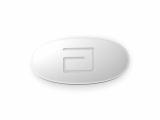
Generic Tricor ( Fenofibrate )

Tricor
| Active ingredient | Fenofibrate |
|---|---|
| Mechanism of action | Activates PPAR-a to increase fatty-acid oxidation and reduce triglycerides |
| Common dose | 145 mg taken once daily with food |
| What is it used for? | Treatment of high cholesterol and elevated triglyceride levels |
| Important information on taking | Take with a meal to improve absorption; avoid if liver disease is present |
| Common side effects | Digestive upset, headache, mild skin rash |
| Serious risks | Rhabdomyolysis (muscle breakdown), severe liver problems |
| Interactions | Concurrent use with statins, certain anticoagulants, cyclosporine, or other PPAR-a agonists |
| Contraindications | Severe hepatic impairment, active hepatitis, gallbladder disease |
| Legal status | Prescription-only medication |
An overview of Tricor
How Tricor works in the body: definition and pharmacological action
Tricor is the brand name for the drug fenofibrate, a medication classified as a fibric acid derivative. It functions primarily as a prodrug that is metabolized in the liver to its active form, which activates peroxisome proliferator-activated receptor alpha. Activation of this receptor stimulates enzymes involved in the oxidation of fatty acids and promotes the clearance of triglycerides from the bloodstream. By enhancing the expression of lipoprotein lipase, Tricor increases the hydrolysis of triglyceride-rich particles and reduces plasma triglyceride concentrations. The drug also modestly raises high-density lipoprotein cholesterol while having little impact on low-density lipoprotein cholesterol. These pharmacological actions collectively lower the risk of atherosclerotic cardiovascular events in patients with dyslipidemia. Consequently, it is prescribed as an adjunct to diet to improve lipid profiles in individuals with elevated triglycerides. The overall therapeutic effect derives from increased fatty-acid oxidation and enhanced removal of triglycerides from circulation.
Understanding the pharmacological properties of Tricor
Tricor is a brand name for the drug fenofibrate, a lipid-lowering medication. It functions by activating peroxisome proliferator-activated receptor alpha in liver cells. This activation increases the breakdown of triglycerides and raises levels of high-density lipoprotein cholesterol. The drug thereby reduces circulating fats and helps prevent atherosclerosis. Its pharmacological effect stems from the activation of nuclear receptors that regulate genes involved in lipid metabolism. By modulating these pathways, Tricor lowers low-density lipoprotein cholesterol and overall plasma lipid concentrations. The result is improved lipid profiles that support cardiovascular health. Understanding these mechanisms clarifies why Tricor is used to treat dyslipidemia.
Conditions treated with Tricor
| High cholesterol (hypercholesterolemia) | 145 mg once daily, taken with a meal; treatment is usually continuous (as prescribed) |
|---|---|
| Elevated triglycerides (hypertriglyceridemia) | 145 mg once daily, taken with a meal; treatment is usually continuous (as prescribed) |
| Mixed dyslipidemia | 145 mg once daily, taken with a meal; treatment is usually continuous (as prescribed) |
Side effects of Tricor
Common side effects of Tricor
Common side effects of Tricor include mild stomach upset and nausea. Headache or dizziness may be experienced. Muscle aches or weakness can occasionally occur. Changes in liver function tests are sometimes observed. Skin reactions such as rash or itching may develop. Swelling of the face or limbs is rare but has been noted.
What should I note before taking Tricor?
Tricor can cause stomach discomfort such as nausea or indigestion. Some users report mild headache or dizziness during treatment. Muscle aches may occur, especially when combined with certain other medications. Skin reactions like rash or itching are occasionally observed. Rarely, changes in liver function tests are detected through routine blood work. These effects are generally mild and often improve with continued use.
Common effects experienced with Tricor
- Muscle pain or weakness
- Liver enzyme elevation
- Nausea
- Headache
- Abdominal pain
- Diarrhea
Tricor offers a reliable solution for managing cholesterol when used as directed, combining efficacy with a convenient dosing schedule. Potential users should start with the lowest effective dose and monitor their lipid levels regularly to gauge progress. It is essential to pair Tricor with a heart-healthy diet and regular exercise to maximize cardiovascular benefits. Patients must inform their healthcare provider about any other medications or supplements to avoid harmful interactions. Consistent daily intake, preferably with meals, helps maintain steady blood concentrations. Watch for common side effects such as muscle pain or liver enzyme changes and report them promptly. Finally, store the medication in a cool, dry place away from direct sunlight to preserve its potency.
 Antony Awad, D.O., M.S.
: ABEM Certified, Emergency Medicine
Antony Awad, D.O., M.S.
: ABEM Certified, Emergency Medicine

 Jason Lai, M.D.
: ABEM Certified, Emergency Medicine
Jason Lai, M.D.
: ABEM Certified, Emergency Medicine
 Jose C. Maria-Rios, M.D.
: ABEM, ABEM Certified, Critical Care, Emergency Medicine, Internal Medicine
Jose C. Maria-Rios, M.D.
: ABEM, ABEM Certified, Critical Care, Emergency Medicine, Internal Medicine
 Zachary Illg, D.O.
: ABEM Certified, Emergency Medicine
Zachary Illg, D.O.
: ABEM Certified, Emergency Medicine
 Cassidy Cunningham
: ABEM Certified, Emergency Medicine
Cassidy Cunningham
: ABEM Certified, Emergency Medicine
 Mila L. Felder, M.D.
: ABEM Certified, Emergency Medicine
Mila L. Felder, M.D.
: ABEM Certified, Emergency Medicine


| Shipping method | Delivery time | Price | |
| Airmail service Delivery | 14-21 days | 14.95$ | Tracking# available in 4 days |
| Trackable service Delivery | 9-14 days | 30$ | Tracking# available in 2 days |
- Shipping worldwide
- Confidentiality and anonymity guarantee
- Safe and secure
- Discrete looking packages
- Dispatch orders within 24 hours
- 100% success delivery