


- Bestsellers
- Alcoholism
- Allergy
- Alzheimers
- Anti Fungal
- Anti Viral
- Anti-Depressants
- Anti-Inflammatory
- Antibacterial
- Antibiotics
- Antiparasitic
- Arthritis
- Asthma
- Birth Control
- Blood Pressure
- COVID-19
- Cancer
- Cardiovascular
- Cholesterol
- Diabetes
- Diuretics
- Erectile Dysfunction
- Eye Drop
- Gastro Health
- General Health
- HIV
- Hair Loss
- Hepatitis C Virus (HCV)
- Herbals
- Hormones
- Men's ED Packs
- Men's Health
- Mental Illness
- Motion Sickness
- Muscle Relaxant
- Pain Relief
- Parkinson’s Disease
- Quit Smoking
- Skin Care
- Sleeping Aids
- Veterinary Medicines
- Vitamins
- Weight Loss
- Women's Health
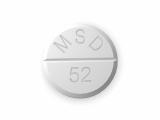
Generic Periactin ( Cyproheptadine )


Periactin
| Active ingredient | Cyproheptadine |
|---|---|
| Mechanism of action | Histamine H1 and H2 receptor antagonism; also blocks 5-HT2 receptors |
| Common dose | Typically 4 mg two to three times daily; dosing may vary by indication |
| What is it used for? | Allergy relief, itching, migraine prophylaxis, appetite stimulation |
| Important information on taking | Take with food; do not exceed prescribed dose; swallow whole; avoid alcohol; monitor for drowsiness |
| Common side effects | Drowsiness, dry mouth, fatigue, dizziness |
| Serious risks | Cardiac arrhythmia, seizures, severe allergic reactions |
| Interactions | MAO inhibitors, certain antidepressants, alcohol, other CNS depressants |
| Contraindications | Known hypersensitivity to cyproheptadine; caution in pediatric patients; pregnancy only if benefit outweighs risk |
| Legal status | Prescription medicinal product; regulatory classification varies by country |
A closer look at Periactin and how it works
What is Periactin and how does it work?
Periactin is the brand name for cyproheptadine an antihistamine medication used to relieve allergy symptoms and to stimulate appetite. It works by blocking histamine h1 receptors that are activated during allergic reactions reducing itching sneezing and runny nose. In addition it antagonizes serotonin 5-ht2 receptors which contributes to its anti-migraine and anti-pruritic effects. By inhibiting these receptors it decreases the physiological responses that cause swelling of blood vessels and nerve irritation. The drug is also prescribed to increase weight gain in patients with conditions such as cystic fibrosis or severe malnutrition. Its effects are achieved through competitive inhibition of these receptors leading to reduced histamine and serotonin mediated activity.
Pharmacodynamics and pharmacological profile of Periactin
Periactin is a medication that contains the active ingredient cyproheptidine and functions as an antihistamine with antiserotonergic properties. It is primarily used to relieve symptoms of allergic reactions and to stimulate appetite in certain clinical situations. The drug works by blocking histamine h1 receptors and antagonizing serotonin 5-ht2 receptors in the central nervous system. This dual antagonism interrupts the pathways that trigger itching, hives, and migraines. By modulating these chemical signals the medication helps reduce the severity and frequency of allergic responses. The overall pharmacological profile supports both anti-allergic effects and appetite enhancement.
Medical indications for Periactin
| Allergic Rhinitis | 4 mg 3 times daily, 2-4 weeks |
|---|---|
| Cough | 8 mg 3 times daily, up to 12 weeks |
| Urticaria | 4 mg 3 times daily, as needed |
Side effects of Periactin
Common reactions Periactin can cause
Periactin can cause drowsiness as a common side effect. Some users may experience dizziness or lightheadedness. Dry mouth and mild skin dryness are reported frequently. Blurred vision or sensitivity to light may occur temporarily. Occasional constipation or changes in appetite can be observed. Mild headache or fatigue may also appear.
Important information to consider before taking Periactin
Periactin is an antihistamine used to relieve allergy symptoms. Common side effects may include drowsiness and dizziness. Some people experience dry mouth thirst headache and nausea. Weight gain can occur due to increased appetite. Changes in vision or ringing in the ears are also reported occasionally. Most of these effects are mild and often improve with continued use. Serious reactions such as heart rhythm problems are rare and usually linked to very high doses.
Common effects experienced with Periactin
- Drowsiness
- Dizziness
- Dry mouth
- Weight gain
- Blurred vision
- Constipation
Periactin (cyproheptadine) is a useful antihistamine for relieving allergy symptoms such as sneezing, itching, and hives, and it can also stimulate appetite and weight gain in certain clinical situations. Because it crosses the blood-brain barrier, it may cause drowsiness, dry mouth, or mild dizziness, so it's best taken with food and avoided when driving until you know how it affects you. Interactions with monoamine oxidase inhibitors, certain antidepressants, and other sedating drugs can increase side-effect risk, so a brief medication review is advisable before starting. Pregnant or nursing individuals should consult a healthcare professional, as the drug's safety in those populations is not fully established. Start with the lowest effective dose, stay hydrated to mitigate dry-mouth discomfort, and monitor for any unexpected reactions, reporting them promptly to your clinician. Finally, remember that Periactin treats symptoms, not the underlying cause of allergy, so combining it with proper allergen avoidance or alternative therapies can provide the most comprehensive relief.

 Matthew Robert Lohse, M.D.
: ABEM Certified, Advanced Emergency Medicine Ultrasonography, Emergency Medicine, Focused Practice Designation, Ultrasonography, Ultrasound
Matthew Robert Lohse, M.D.
: ABEM Certified, Advanced Emergency Medicine Ultrasonography, Emergency Medicine, Focused Practice Designation, Ultrasonography, Ultrasound

 Jacob Bledsoe
: ABEM Certified, Emergency Medicine
Jacob Bledsoe
: ABEM Certified, Emergency Medicine
 Craig F Tschautscher, M.D.
: ABEM Certified, Board Certification, Emergency Medical Services, Emergency Medicine
Craig F Tschautscher, M.D.
: ABEM Certified, Board Certification, Emergency Medical Services, Emergency Medicine
 Luis Antonio Pellicia, M.D.
: ABEM Certified, Emergency Medicine
Luis Antonio Pellicia, M.D.
: ABEM Certified, Emergency Medicine
 Michael K. Shafe', M.D.
: 30 Years Certified, ABEM Certified, Emergency Medicine
Michael K. Shafe', M.D.
: 30 Years Certified, ABEM Certified, Emergency Medicine
 Jonathan Slutzman, M.D.
: ABEM Certified, Emergency Medicine
Jonathan Slutzman, M.D.
: ABEM Certified, Emergency Medicine
 Adam Ethan Leisy, M.D.
: ABEM Certified, Board Certification, Emergency Medical Services, Emergency Medicine
Adam Ethan Leisy, M.D.
: ABEM Certified, Board Certification, Emergency Medical Services, Emergency Medicine
 Ryan Nicholas Renfro, M.D.
: ABEM Certified, Emergency Medicine
Ryan Nicholas Renfro, M.D.
: ABEM Certified, Emergency Medicine
 Henry James Higby, M.D.
: ABEM Certified, Emergency Medicine
Henry James Higby, M.D.
: ABEM Certified, Emergency Medicine
 Chad Jeffrey Jensen, M.D.
: ABEM Certified, Emergency Medicine
Chad Jeffrey Jensen, M.D.
: ABEM Certified, Emergency Medicine


| Shipping method | Delivery time | Price | |
| Airmail service Delivery | 14-21 days | 14.95$ | Tracking# available in 4 days |
| Trackable service Delivery | 9-14 days | 30$ | Tracking# available in 2 days |
- Shipping worldwide
- Confidentiality and anonymity guarantee
- Safe and secure
- Discrete looking packages
- Dispatch orders within 24 hours
- 100% success delivery