


- Bestsellers
- Alcoholism
- Allergy
- Alzheimers
- Anti Fungal
- Anti Viral
- Anti-Depressants
- Anti-Inflammatory
- Antibacterial
- Antibiotics
- Antiparasitic
- Arthritis
- Asthma
- Birth Control
- Blood Pressure
- COVID-19
- Cancer
- Cardiovascular
- Cholesterol
- Diabetes
- Diuretics
- Erectile Dysfunction
- Eye Drop
- Gastro Health
- General Health
- HIV
- Hair Loss
- Hepatitis C Virus (HCV)
- Herbals
- Hormones
- Men's ED Packs
- Men's Health
- Mental Illness
- Motion Sickness
- Muscle Relaxant
- Pain Relief
- Parkinson’s Disease
- Quit Smoking
- Skin Care
- Sleeping Aids
- Veterinary Medicines
- Vitamins
- Weight Loss
- Women's Health
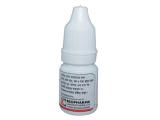
Generic Ocuflox ( Ofloxacin )

Ocuflox
| Active ingredient | Ofloxacin |
|---|---|
| Mechanism of action | Fluoroquinolone antibacterial that inhibits bacterial DNA gyrase and topoisomerase IV |
| Common dose | One drop into the affected eye(s) 2-4 times daily for up to 7 days (as prescribed) |
| What is it used for? | Treatment of bacterial conjunctivitis and other susceptible ocular infections |
| Important information on taking | Do not touch the bottle tip to any surface; continue the full prescribed course even if symptoms improve; avoid use in patients with known hypersensitivity to fluoroquinolones |
| Common side effects | Transient ocular irritation, burning, or blurred vision; rare ocular allergic reactions |
| Serious risks | Potential for corneal endothelial damage, retinal toxicity, or persistent visual disturbances with prolonged or high-dose use |
| Interactions | Concurrent use with other topical ocular medications should be spaced by at least 5 minutes; systemic administration of fluoroquinolones may increase adverse-event risk |
| Contraindications | Hypersensitivity to ofloxacin or any component of the formulation; avoid in patients with a history of tendon rupture associated with fluoroquinolones |
| Legal status | Prescription-only medication in most jurisdictions; classified as a controlled pharmaceutical for eye-drop use only |
An overview of Ocuflox
Definition and mechanism of action of Ocuflox
Ocuflox is a fluoroquinolone antibiotic formulated as an ophthalmic solution for topical use. It is employed to treat bacterial infections of the eye such as conjunctivitis and corneal ulcers. The drug works by inhibiting bacterial dna gyrase and topoisomerase iv enzymes. These enzymes are essential for dna replication and transcription in bacteria. Inhibition of their activity disrupts dna synthesis and leads to bacterial cell death. After topical application the medication penetrates the ocular tissues and accumulates within susceptible bacteria to exert its antimicrobial effect.
Key pharmacological features and clinical properties of Ocuflox
Ocuflox is an antibacterial eye drop used to treat bacterial eye infections such as conjunctivitis. The active ingredient belongs to a class of fluoroquinolone antibiotics that target bacterial dna replication enzymes. It works by inhibiting bacterial dna gyrase and topoisomerase iv, enzymes essential for copying bacterial dna. This inhibition prevents the bacteria from multiplying and ultimately leads to their death. The drug is applied directly to the eye where it is absorbed into the cornea and conjunctival tissues. By clearing the infection locally the medication restores normal ocular health without systemic exposure.
Conditions treated with Ocuflox
| Conjunctivitis | 0.5 % eye drops, 1-2 times daily for 7-10 days |
|---|---|
| Corneal ulcer | 0.5 % eye drops, 2-4 times daily for 10-14 days |
| Post-operative inflammation | 0.5 % eye drops, 4 times daily for 5-7 days |
Common side effects of Ocuflox
Common side effects of Ocuflox
Ocuflox may cause mild eye irritation in some patients. It can lead to temporary blurred vision after application. Some users report a slight burning sensation during instillation. Allergic reactions such as redness or itching are uncommon but possible. Headache and mild systemic discomfort have been noted in rare cases. These effects are generally transient and resolve without intervention.
Things you should be aware of before using Ocuflox
Ocuflox may cause mild eye irritation or burning sensation after use. Some users report temporary blurred vision that typically resolves quickly. Allergic reactions such as itching redness or swelling can occur in rare cases. Headache or dizziness have been noted as occasional systemic effects. A bitter taste in the mouth may be experienced shortly after administration. Sensitivity to light or mild photophobia can develop during treatment. Dryness of the ocular surface is another infrequent side effect reported.
Common reactions associated with Ocuflox
- Conjunctival hyperemia
- Ocular itching
- Blurred vision
- Foreign body sensation
- Mild ocular discomfort
Ocuflox offers a reliable, broad-spectrum solution for bacterial eye infections when used exactly as prescribed. Remember to wash your hands thoroughly before and after each application, and avoid touching the dropper tip to any surface to prevent contamination. Stick to the full course of treatment even if symptoms improve early, ensuring the infection is completely eradicated. If you notice persistent irritation, swelling, or vision changes, contact your eye-care professional promptly. Store the bottle at room temperature, away from direct sunlight, and keep it capped tightly after each use. Finally, discuss any concurrent medications or existing eye conditions with your doctor to avoid unexpected interactions. Following these simple steps will help you get the most benefit from Ocuflox while minimizing risks.
 Peter M. C. DeBlieux, M.D.
: ABEM Certified, Emergency Medicine
Peter M. C. DeBlieux, M.D.
: ABEM Certified, Emergency Medicine

 Tahisha Nicole Tolbert, M.D.
: ABEM Certified, Emergency Medicine
Tahisha Nicole Tolbert, M.D.
: ABEM Certified, Emergency Medicine
 Nicholas Cochran-Caggiano
: ABEM Certified, Board Certification, Emergency Medical Services, Emergency Medicine
Nicholas Cochran-Caggiano
: ABEM Certified, Board Certification, Emergency Medical Services, Emergency Medicine

 Luke
: ABEM Certified, Emergency Medicine
Luke
: ABEM Certified, Emergency Medicine
 Kevin Thomas O'Mara, M.D.
: ABEM Certified, Emergency Medicine
Kevin Thomas O'Mara, M.D.
: ABEM Certified, Emergency Medicine


| Shipping method | Delivery time | Price | |
| Airmail service Delivery | 14-21 days | 14.95$ | Tracking# available in 4 days |
| Trackable service Delivery | 9-14 days | 30$ | Tracking# available in 2 days |
- Shipping worldwide
- Confidentiality and anonymity guarantee
- Safe and secure
- Discrete looking packages
- Dispatch orders within 24 hours
- 100% success delivery