


- Bestsellers
- Alcoholism
- Allergy
- Alzheimers
- Anti Fungal
- Anti Viral
- Anti-Depressants
- Anti-Inflammatory
- Antibacterial
- Antibiotics
- Antiparasitic
- Arthritis
- Asthma
- Birth Control
- Blood Pressure
- COVID-19
- Cancer
- Cardiovascular
- Cholesterol
- Diabetes
- Diuretics
- Erectile Dysfunction
- Eye Drop
- Gastro Health
- General Health
- HIV
- Hair Loss
- Hepatitis C Virus (HCV)
- Herbals
- Hormones
- Men's ED Packs
- Men's Health
- Mental Illness
- Motion Sickness
- Muscle Relaxant
- Pain Relief
- Parkinson’s Disease
- Quit Smoking
- Skin Care
- Sleeping Aids
- Veterinary Medicines
- Vitamins
- Weight Loss
- Women's Health
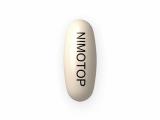
Generic Nimotop ( Nimodipine )

Nimotop
| Active ingredient | Nimodipine |
|---|---|
| Mechanism of action | Calcium-channel blocker that reduces vasospasm by relaxing smooth muscle |
| Common dose | 40 mg every 4 hours (oral) |
| What is it used for? | Prevention of cerebral ischemia following subarachnoid hemorrhage |
| Important information on taking | Take on an empty stomach; do not crush or chew extended-release tablets |
| Common side effects | Headache, dizziness, flushing, nausea |
| Serious risks | Hypotension, arrhythmias, liver enzyme elevation |
| Interactions | May increase effects of other antihypertensives; avoid concomitant strong CYP3A4 inhibitors |
| Contraindications | Severe hypotension, cardiogenic shock, known hypersensitivity to nimodipine |
| Legal status | Prescription-only medication (Rx) in most jurisdictions |
A closer look at Nimotop and how it works
What is Nimotop and how does it work?
Nimotop is the brand name for the medication nimodipine. It belongs to the class of calcium-channel blockers that act on vascular smooth muscle. Nimotop is prescribed to prevent delayed cerebral ischemia that can occur following a subarachnoid hemorrhage. The drug works by inhibiting the entry of calcium ions into smooth muscle cells of cerebral blood vessels. Calcium influx is essential for the contraction of these vessels, so blocking it leads to vasodilation. Vasodilation improves blood flow in the brain and decreases the likelihood of vessel narrowing. By improving cerebral circulation, Nimotop helps protect neuronal tissue from ischemic damage. The overall therapeutic effect is a reduction in the incidence of poor outcomes related to cerebral vasospasm.
Pharmacological characteristics of Nimotop
Nimotop is a calcium channel blocker used to prevent cerebral vasospasm after subarachnoid hemorrhage. It works by blocking l-type voltage-gated calcium channels in arterial smooth muscle. This blockade reduces calcium influx, leading to relaxation of cerebral blood vessels. By improving blood flow to the brain, the drug helps protect neurons from ischemic injury. The medication is absorbed rapidly when given orally, reaching therapeutic levels throughout the body. Clinical studies have shown that Nimotop lowers the incidence of delayed neurological deficits associated with vasospasm.
Clinical indications for Nimotop
| Hypertension | 4 mg IV bolus, then 1 mg/h infusion; administered every 4-6 hours as needed, for up to 24 hours |
|---|---|
| Subarachnoid Hemorrhage | 60 mg orally twice daily; continued for up to 21 days |
| Cerebral Vasospasm | 60 mg orally twice daily; administered for 10-14 days |
Side effects of Nimotop
Common side effects of Nimotop
Nimotop may cause dizziness, headache, nausea, and vomiting in some patients. It can also lead to low blood pressure, especially when standing up quickly. Some individuals experience swelling of the ankles or feet. Elevated liver enzymes have been reported in rare cases. Less commonly, patients may notice constipation or dry mouth. These effects are generally mild and usually resolve on their own. Long-term use is not associated with major complications in the majority of cases.
What to know before starting Nimotop
Some patients taking Nimotop may experience headache. Dizziness and lightheadedness are also reported. Nausea and abdominal discomfort can occur. Flushing, characterized by facial redness, may be observed. Fatigue and weakness are common complaints. Low blood pressure leading to faintness may develop. Swelling of the ankles or feet has been noted in some cases.
Common reactions associated with Nimotop
- Headache
- Nausea
- Vomiting
- Dizziness
- Hypotension
- Flushing
Nimotop (nimodipine) can be an effective medication for reducing the risk of cerebral vasospasm after a subarachnoid hemorrhage, but its benefits are realized only when it is used exactly as prescribed. Patients should take the tablets on an empty stomach, swallow them whole, and avoid crushing or chewing, since the formulation is designed for consistent absorption. It is advisable to stay well-hydrated and to rise slowly from sitting or lying positions to minimize the likelihood of dizziness or low blood pressure. Regular monitoring of blood pressure and heart rate, preferably at home or during scheduled clinic visits, helps ensure the drug is controlling vasospasm without causing unwanted side effects. If you notice swelling, rapid heartbeat, or severe headache, contact your physician promptly, as these may signal a need to adjust the dose. Be cautious with other medications that depress blood pressure or interact with calcium-channel blockers, and always inform your healthcare provider of any supplements or herbal products you are using. Finally, keep follow-up appointments to assess long-term outcomes and discuss any concerns, ensuring that continued use of Nimotop remains both safe and appropriate for your individual health situation.
 Marco Antonio Escobedo, M.D.
: ABEM Certified, Emergency Medicine
Marco Antonio Escobedo, M.D.
: ABEM Certified, Emergency Medicine

 Daniel Imas, M.D.
: ABEM Certified, Emergency Medicine
Daniel Imas, M.D.
: ABEM Certified, Emergency Medicine

 Adam Ethan Leisy, M.D.
: ABEM Certified, Board Certification, Emergency Medical Services, Emergency Medicine
Adam Ethan Leisy, M.D.
: ABEM Certified, Board Certification, Emergency Medical Services, Emergency Medicine
 Daniel Keyes, M.D., M.P.H.
: ABEM Certified, Certification, Emergency Medicine, Medical Toxicology
Daniel Keyes, M.D., M.P.H.
: ABEM Certified, Certification, Emergency Medicine, Medical Toxicology
 Kevin Thomas O'Mara, M.D.
: ABEM Certified, Emergency Medicine
Kevin Thomas O'Mara, M.D.
: ABEM Certified, Emergency Medicine
 William Weir
: ABEM Certified, Board Certification, Emergency Medical Services, Emergency Medicine
William Weir
: ABEM Certified, Board Certification, Emergency Medical Services, Emergency Medicine
 John Dayton
: ABEM Certified, Emergency Medicine
John Dayton
: ABEM Certified, Emergency Medicine
 Tristen Burt, D.O.
: ABEM Certified, Emergency Medicine
Tristen Burt, D.O.
: ABEM Certified, Emergency Medicine


| Shipping method | Delivery time | Price | |
| Airmail service Delivery | 14-21 days | 14.95$ | Tracking# available in 4 days |
| Trackable service Delivery | 9-14 days | 30$ | Tracking# available in 2 days |
- Shipping worldwide
- Confidentiality and anonymity guarantee
- Safe and secure
- Discrete looking packages
- Dispatch orders within 24 hours
- 100% success delivery