


- Bestsellers
- Alcoholism
- Allergy
- Alzheimers
- Anti Fungal
- Anti Viral
- Anti-Depressants
- Anti-Inflammatory
- Antibacterial
- Antibiotics
- Antiparasitic
- Arthritis
- Asthma
- Birth Control
- Blood Pressure
- COVID-19
- Cancer
- Cardiovascular
- Cholesterol
- Diabetes
- Diuretics
- Erectile Dysfunction
- Eye Drop
- Gastro Health
- General Health
- HIV
- Hair Loss
- Hepatitis C Virus (HCV)
- Herbals
- Hormones
- Men's ED Packs
- Men's Health
- Mental Illness
- Motion Sickness
- Muscle Relaxant
- Pain Relief
- Parkinson’s Disease
- Quit Smoking
- Skin Care
- Sleeping Aids
- Veterinary Medicines
- Vitamins
- Weight Loss
- Women's Health
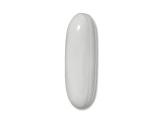
Generic Neoral ( Cyclosporine )

Neoral
| Active ingredient | Cyclosporine A |
|---|---|
| Mechanism of action | Calcineurin inhibition leading to immunosuppression |
| Common dose | Typically 1-1.5 mg/kg/day (adjusted by blood levels) |
| What is it used for? | Prevention of graft rejection and treatment of various autoimmune conditions |
| Important information on taking | Take on an empty stomach; monitor blood concentrations regularly |
| Common side effects | Gum hyperplasia, hypertension, tremor, increased creatinine |
| Serious risks | Renal toxicity, opportunistic infections, malignant neoplasms |
| Interactions | May increase levels of warfarin, statins, and certain anticonvulsants |
| Contraindications | Hypersensitivity to cyclosporine; uncontrolled infection; severe uncontrolled hypertension |
| Legal status | Prescription-only medication (Rx) |
Understanding Neoral and its purpose
Definition and mechanism of action of Neoral
Neoral is an immunosuppressive medication classified as a calcineurin inhibitor used to prevent organ transplant rejection. It works by inhibiting the enzyme calcineurin, which normally activates t-cell transcription factors. This inhibition reduces the production of interleukins, particularly interleukin-2, that are essential for t-cell proliferation. By limiting t-cell activation, Neoral diminishes the immune response that would otherwise attack the transplanted organ. The drug is formulated as a modified-release oral capsule that ensures steady blood levels over time. It binds selectively to cyclophilin, a cytoplasmic protein, forming a complex that blocks calcineurin activity. The resulting decrease in immune activation allows the new organ to function without excessive rejection risk. Neoral is primarily prescribed to patients who have received kidney, liver, or heart transplants to maintain graft survival.
Pharmacodynamics and pharmacological profile of Neoral
Neoral is an immunosuppressant medication used to prevent organ rejection after transplantation. It acts by inhibiting t cell activation through calcineurin blockade. Cyclosporine in Neoral binds to cyclophilin and forms a complex that suppresses calcineurin phosphatase activity. This reduces the production of interleukin 2 and other cytokines that drive immune responses. The pharmacological profile of Neoral includes high oral bioavailability and consistent absorption compared to earlier cyclosporine formulations. Its long half-life allows once daily dosing in some patients but requires monitoring of blood levels to maintain therapeutic effect. By modulating immune cell activity Neoral helps preserve transplanted organs and treat certain autoimmune skin conditions. The medication's therapeutic role relies on selective suppression of immune signaling pathways to achieve clinical benefit.
Neoral: typical uses
| Psoriasis | 25 mg once daily, for 12 weeks |
|---|---|
| Rheumatoid arthritis | 100 mg per day divided 2-4 times, for several months |
| Organ transplant rejection | 100-200 mg per day, as directed, for the duration of immunosuppression |
Common side effects of Neoral
Common side effects of Neoral
Common side effects of Neoral may include high blood pressure and kidney dysfunction. Patients may also experience tremors, gum swelling, or excessive hair growth. Some individuals report headaches, nausea, or changes in taste. These effects often depend on dosage and individual health factors. Regular monitoring by healthcare providers helps identify any emerging issues early. Adjustments to treatment can be made if side effects become problematic.
Essential considerations before taking Neoral
Neoral can raise blood pressure in some patients. It may alter kidney function and raise serum creatinine levels. Changes in gum tissue such as swelling or overgrowth have been observed. Tremors or shaking of the hands sometimes appear. Increased uric acid levels may lead to gout-like symptoms. Skin sensitivity to sunlight can be heightened in certain individuals.
Frequently reported effects of Neoral
- Swelling in hands or feet
- High blood pressure
- Tremors
- Headache
- Nausea
Neoral is a prescription medication containing cyclosporine, primarily used as an immunosuppressant to prevent organ transplant rejection and treat certain autoimmune conditions like psoriasis. It requires strict medical supervision due to its potent effects and narrow therapeutic window. Potential users must understand that consistent dosing and regular blood monitoring are essential to avoid dangerous side effects. Common risks include kidney impairment, high blood pressure, and increased susceptibility to infections, necessitating frequent health checks. Crucially, Neoral should never be self-administered or altered without explicit guidance from a healthcare provider. Always discuss your full medical history and current medications with a doctor to ensure safe and effective use under professional oversight.
 Craig F Tschautscher, M.D.
: ABEM Certified, Board Certification, Emergency Medical Services, Emergency Medicine
Craig F Tschautscher, M.D.
: ABEM Certified, Board Certification, Emergency Medical Services, Emergency Medicine

 Ben Preiss
: ABEM Certified, Emergency Medicine
Ben Preiss
: ABEM Certified, Emergency Medicine

 Matthew Adam Von Zimmerman, D.O.
: ABEM Certified, Emergency Medicine
Matthew Adam Von Zimmerman, D.O.
: ABEM Certified, Emergency Medicine
 Ira Gordon Early, M.D.
: Certification, Medical Toxicology
Ira Gordon Early, M.D.
: Certification, Medical Toxicology
 David P. Bryant, D.O.
: ABEM Certified, Emergency Medicine
David P. Bryant, D.O.
: ABEM Certified, Emergency Medicine
 Sarah Marie Gartner, M.D.
: ABEM Certified, Advanced Emergency Medicine Ultrasonography, Emergency Medicine, Focused Practice Designation, Ultrasonography, Ultrasound
Sarah Marie Gartner, M.D.
: ABEM Certified, Advanced Emergency Medicine Ultrasonography, Emergency Medicine, Focused Practice Designation, Ultrasonography, Ultrasound
 Joshua M. McConkey, M.D.
: ABEM Certified, Board Certification, Emergency Medical Services, Emergency Medicine
Joshua M. McConkey, M.D.
: ABEM Certified, Board Certification, Emergency Medical Services, Emergency Medicine
 Antony Awad, D.O., M.S.
: ABEM Certified, Emergency Medicine
Antony Awad, D.O., M.S.
: ABEM Certified, Emergency Medicine


| Shipping method | Delivery time | Price | |
| Airmail service Delivery | 14-21 days | 14.95$ | Tracking# available in 4 days |
| Trackable service Delivery | 9-14 days | 30$ | Tracking# available in 2 days |
- Shipping worldwide
- Confidentiality and anonymity guarantee
- Safe and secure
- Discrete looking packages
- Dispatch orders within 24 hours
- 100% success delivery