


- Bestsellers
- Alcoholism
- Allergy
- Alzheimers
- Anti Fungal
- Anti Viral
- Anti-Depressants
- Anti-Inflammatory
- Antibacterial
- Antibiotics
- Antiparasitic
- Arthritis
- Asthma
- Birth Control
- Blood Pressure
- COVID-19
- Cancer
- Cardiovascular
- Cholesterol
- Diabetes
- Diuretics
- Erectile Dysfunction
- Eye Drop
- Gastro Health
- General Health
- HIV
- Hair Loss
- Hepatitis C Virus (HCV)
- Herbals
- Hormones
- Men's ED Packs
- Men's Health
- Mental Illness
- Motion Sickness
- Muscle Relaxant
- Pain Relief
- Parkinson’s Disease
- Quit Smoking
- Skin Care
- Sleeping Aids
- Veterinary Medicines
- Vitamins
- Weight Loss
- Women's Health
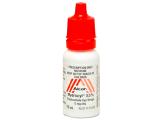
Generic Mydriacyl ( Tropicamide )

Mydriacyl
| Active ingredient | Tropicamide 1 % (often combined with phenylephrine 2.5 %) |
|---|---|
| Mechanism of action | Antagonist of muscarinic acetylcholine receptors causing pupil dilation and paralysis of accommodation |
| Common dose | One drop (0.5 ml) administered 15-20minutes before ocular examination; may be repeated once if needed |
| What is it used for? | Mydriasis for comprehensive eye exams, refraction, and retinal examination |
| Important information on taking | Do not touch the tip to the eye; instill one drop per eye; avoid use in patients with narrow-angle glaucoma; wait at least 15minutes before re-inserting contact lenses |
| Common side effects | Transient blurred vision, photophobia, eye irritation, mild stinging |
| Serious risks | Acute angle-closure glaucoma, significant intraocular pressure elevation, allergic reactions (rare) |
| Interactions | Pot additive effect with other anticholinergic ocular drugs; caution with systemic anticholinergics; may be affected by drugs that increase intraocular pressure |
| Contraindications | Hypersensitivity to tropicamide or any component; patients with narrow-angle glaucoma; severe ocular inflammation |
| Legal status | Prescription medication in many jurisdictions; may be sold over the counter in some countries |
A closer look at Mydriacyl and how it works
What is Mydriacyl and how does it work?
Mydriacyl is a topical ophthalmic agent used to dilate the pupil for diagnostic examination of the eye. It belongs to a class of anticholinergic drugs that block cholinergic receptors in ocular tissue. By inhibiting the neurotransmitter acetylcholine the medication prevents the constriction of radial smooth muscle in the iris. This results in a controlled and prolonged pupil dilation suitable for clinical assessment. The active ingredient acts locally without systemically affecting other organ systems when applied as directed. Pharmacodynamically the drug produces mydriasis through selective blockade of muscarinic receptors in the dilator pupillae muscle. The resulting relaxation allows increased light entry and improved visualization of retinal structures. Clinically the effect facilitates comprehensive eye examinations and detection of ocular pathologies
Pharmacodynamics and pharmacological profile of Mydriacyl
Mydriacyl is a topical ophthalmic preparation used to dilate the pupil. It is employed to facilitate ophthalmic examinations and to enable fundus photography. The active ingredient belongs to a class of sympathomimetic agents that stimulate alpha adrenergic receptors in the iris dilator muscle. Activation of these receptors leads to contraction of the dilator pupillae muscle and results in pupil enlargement. Its effect begins within minutes and may last several hours. The drug does not significantly cross the blood brain barrier and acts locally. Overall the medication provides controlled pupil dilation for diagnostic purposes with predictable pharmacodynamic response.
Clinical indications for Mydriacyl
| Uveitis | 1 drop in affected eye(s) 2-3 times daily for 5-7 days |
|---|---|
| Retinal Examination | 1 drop administered 30 minutes before the exam; effect lasts up to 24 hours |
| Pre-operative Cataract Assessment | 1 drop given 1 hour before refraction; repeat as needed; single dose usually sufficient |
Common side effects of Mydriacyl
Side effects of Mydriacyl
Mydriacyl is a topical medication that causes temporary dilation of the pupil. The active ingredient belongs to a class of anticholinergic agents that block muscarinic receptors. Patients often notice blurred vision for several hours after application. Increased sensitivity to bright light is a common side effect during the dilation period. Some individuals may experience mild eye discomfort or a sensation of dryness. Localized redness around the eye can occur due to the formulation's irritant potential. Systemic absorption is rare but has been linked to rare cases of increased heart rate. Overall side effects are generally mild and resolve once the drug wears off.
What to know before starting Mydriacyl
Mydriacyl may cause temporary blurred vision after application. It can lead to increased sensitivity to light in some individuals. Some users experience mild eye discomfort or irritation. Elevated intraocular pressure has been reported in rare cases. Dryness of the eyes may occur following use. Headache or dizziness can appear transiently. Pupil dilation may persist for several hours after treatment. Systemic effects are uncommon but possible in susceptible patients.
Common reactions associated with Mydriacyl
- Blurred vision
- Sensitivity to light
- Dry mouth
- Eye irritation
- Headache
Mydriacyl is a safe and effective mydriatic agent that quickly produces pupil dilation for a wide range of ophthalmic examinations and procedures. By combining tropicamide with phenylephrine, it offers both rapid onset and sustained dilation, allowing clinicians to obtain optimal views of the retina and optic nerve. The medication is generally well-tolerated, but patients should be aware that temporary blurring of vision and light sensitivity are common side-effects. Individuals with a history of glaucoma, hyperthyroidism, or severe cardiovascular disease should discuss the risks with their eye-care provider before use. To minimize discomfort, it is advisable to schedule the drop administration at least 20-30 minutes before needing clear vision, and to bring sunglasses for after-procedure light sensitivity. Patients should avoid driving or operating heavy machinery until the effects have fully worn off. Finally, always follow the prescribing clinician's dosage instructions and report any unusual symptoms promptly.
 Jordan Biet Barnett, M.D. MBA
: ABEM Certified, Emergency Medicine
Jordan Biet Barnett, M.D. MBA
: ABEM Certified, Emergency Medicine


 Daniel Imas, M.D.
: ABEM Certified, Emergency Medicine
Daniel Imas, M.D.
: ABEM Certified, Emergency Medicine
 Zachary Illg, D.O.
: ABEM Certified, Emergency Medicine
Zachary Illg, D.O.
: ABEM Certified, Emergency Medicine
 Charles Taylor
: ABEM Certified, Emergency Medicine
Charles Taylor
: ABEM Certified, Emergency Medicine
 Craig F Tschautscher, M.D.
: ABEM Certified, Board Certification, Emergency Medical Services, Emergency Medicine
Craig F Tschautscher, M.D.
: ABEM Certified, Board Certification, Emergency Medical Services, Emergency Medicine
 Sarah Marie Gartner, M.D.
: ABEM Certified, Advanced Emergency Medicine Ultrasonography, Emergency Medicine, Focused Practice Designation, Ultrasonography, Ultrasound
Sarah Marie Gartner, M.D.
: ABEM Certified, Advanced Emergency Medicine Ultrasonography, Emergency Medicine, Focused Practice Designation, Ultrasonography, Ultrasound


| Shipping method | Delivery time | Price | |
| Airmail service Delivery | 14-21 days | 14.95$ | Tracking# available in 4 days |
| Trackable service Delivery | 9-14 days | 30$ | Tracking# available in 2 days |
- Shipping worldwide
- Confidentiality and anonymity guarantee
- Safe and secure
- Discrete looking packages
- Dispatch orders within 24 hours
- 100% success delivery