


- Bestsellers
- Alcoholism
- Allergy
- Alzheimers
- Anti Fungal
- Anti Viral
- Anti-Depressants
- Anti-Inflammatory
- Antibacterial
- Antibiotics
- Antiparasitic
- Arthritis
- Asthma
- Birth Control
- Blood Pressure
- COVID-19
- Cancer
- Cardiovascular
- Cholesterol
- Diabetes
- Diuretics
- Erectile Dysfunction
- Eye Drop
- Gastro Health
- General Health
- HIV
- Hair Loss
- Hepatitis C Virus (HCV)
- Herbals
- Hormones
- Men's ED Packs
- Men's Health
- Mental Illness
- Motion Sickness
- Muscle Relaxant
- Pain Relief
- Parkinson’s Disease
- Quit Smoking
- Skin Care
- Sleeping Aids
- Veterinary Medicines
- Vitamins
- Weight Loss
- Women's Health
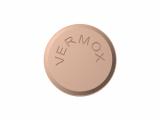
Generic Mebendazole ( Mebendazole )


Mebendazole
| Active ingredient | Mebendazole |
|---|---|
| Mechanism of action | Inhibits microtubule polymerization in parasites |
| Common dose | 100 mg orally, single dose or 3 days depending on infection |
| What is it used for? | Treating worm infections such as pinworm, roundworm, hookworm |
| Important information on taking | Take with food to reduce stomach upset; complete the full course |
| Common side effects | Abdominal pain, headache, nausea, dizziness |
| Serious risks | Liver enzyme elevation, severe hypersensitivity reactions |
| Interactions | May increase serum levels of warfarin, phenytoin; caution with other anthelmintics |
| Contraindications | Avoid in patients with known hypersensitivity to benzimidazoles; caution in pregnancy |
| Legal status | Prescription-only medication in many countries; OTC in some regions for certain formulations |
A closer look at Mebendazole and how it works
Definition, therapeutic role, and mechanism of action of Mebendazole
Mebendazole is an anthelmintic medication that targets parasitic worms. It is used primarily to treat infections caused by nematodes and some cestodes. Its therapeutic role involves inhibiting the worms ability to absorb glucose leading to starvation. The drug binds to beta tubulin subunits in the parasite microtubules disrupting cellular transport. This interaction prevents polymerization of the microtubules thereby halting cell division. The resulting loss of motility and nutrient uptake results in the death of the worm. Pharmacologically it is absorbed in the intestine metabolized minimally and eliminated through hepatic pathways.
Pharmacological characteristics of Mebendazole
Mebendazole is an anthelmintic medication used to treat certain parasitic worm infections. Its therapeutic role involves inhibiting the reproduction of parasites such as pinworms, roundworms, and hookworms. The drug works by binding to the worm's beta-tubulin protein and interfering with microtubule formation. This disruption impairs the worm's ability to absorb glucose and move, leading to its death. The compromised worms are then expelled from the host's gastrointestinal tract naturally. Mebendazole exhibits low systemic absorption, which limits exposure of the host's tissues to unnecessary drug levels. Its selective action on parasitic microtubules makes it effective against a range of intestinal parasites without causing significant harm to human cells.
Therapeutic indications for Mebendazole
| Ascaris lumbricoides infection | 400 mg, once daily for 3 days |
|---|---|
| Enterobius vermicularis (pinworm) | 100 mg, single dose (repeat after 2 weeks) |
| Giardia lamblia infection | 200 mg, three times daily for 5 days |
Common reactions Mebendazole can cause
Side effects of Mebendazole you should know about
Mebendazole is an anthelmintic medication used to treat certain parasitic infections. It works by interfering with the microtubule function of parasites. Common side effects include mild abdominal discomfort and nausea. Some people may experience skin rash or itching as a reaction. Headache and dizziness are reported less frequently. In rare cases, liver enzyme elevations can occur without symptoms. Neurological symptoms such as drowsiness or confusion have been documented rarely. Most side effects are mild and resolve after discontinuation of the drug.
What should I note before taking Mebendazole?
Mebendazole can sometimes cause abdominal discomfort or nausea. Headache and dizziness may occur in a small number of users. Rarely, skin rashes or itching have been reported. Some people experience temporary changes in taste. Elevated liver enzymes are infrequently observed during treatment. Most side effects are mild and resolve without medical intervention.
Common reactions associated with Mebendazole
- Headache
- Nausea
- Abdominal pain
- Diarrhea
- Rash
Mebendazole stands out as a well-tolerated, broad-spectrum anthelmintic that can clear most common intestinal parasites with a short course of treatment. When used as directed, it generally causes only mild, transient side effects such as abdominal discomfort or occasional dizziness. To achieve the best results, take the medication exactly as prescribed, completing the full course even if symptoms improve early. Pregnant or breastfeeding individuals should consult a healthcare professional before use, as safety data in these populations is limited. It is wise to retest for infection after therapy, especially in high-risk environments, to confirm eradication. Keep the drug out of reach of children and store it at room temperature, protected from moisture and heat. Finally, if you experience persistent nausea, severe abdominal pain, or an allergic reaction, seek medical attention promptly rather than continuing the regimen on your own.
 Nicholas Cochran-Caggiano
: ABEM Certified, Board Certification, Emergency Medical Services, Emergency Medicine
Nicholas Cochran-Caggiano
: ABEM Certified, Board Certification, Emergency Medical Services, Emergency Medicine


 Patrick B. Broderick, M.D.
: ABEM Certified, Emergency Medicine
Patrick B. Broderick, M.D.
: ABEM Certified, Emergency Medicine
 Seneca A. Carrillo, M.D.
: ABEM Certified, Addiction, DEA, Emergency Medicine, MyEMCert, opioids, Resuscitation, Substance Use Disorder
Seneca A. Carrillo, M.D.
: ABEM Certified, Addiction, DEA, Emergency Medicine, MyEMCert, opioids, Resuscitation, Substance Use Disorder
 Craig F Tschautscher, M.D.
: ABEM Certified, Board Certification, Emergency Medical Services, Emergency Medicine
Craig F Tschautscher, M.D.
: ABEM Certified, Board Certification, Emergency Medical Services, Emergency Medicine
 Michael Francis Spigner, MD, NRP
: ABEM Certified, Board Certification, Emergency Medical Services, Emergency Medicine
Michael Francis Spigner, MD, NRP
: ABEM Certified, Board Certification, Emergency Medical Services, Emergency Medicine
 Barbara Van De Water
: ABEM Certified, Emergency Medicine
Michael Francis Spigner, MD, NRP
: ABEM Certified, Board Certification, Emergency Medical Services, Emergency Medicine
Barbara Van De Water
: ABEM Certified, Emergency Medicine
Michael Francis Spigner, MD, NRP
: ABEM Certified, Board Certification, Emergency Medical Services, Emergency Medicine
 Jordan Biet Barnett, M.D. MBA
: ABEM Certified, Emergency Medicine
Jordan Biet Barnett, M.D. MBA
: ABEM Certified, Emergency Medicine
 David L. Francis, M.D.
: ABEM Certified, Addiction, DEA, Emergency Medicine, MyEMCert, opioids, Substance Use Disorder
David L. Francis, M.D.
: ABEM Certified, Addiction, DEA, Emergency Medicine, MyEMCert, opioids, Substance Use Disorder


| Shipping method | Delivery time | Price | |
| Airmail service Delivery | 14-21 days | 14.95$ | Tracking# available in 4 days |
| Trackable service Delivery | 9-14 days | 30$ | Tracking# available in 2 days |
- Shipping worldwide
- Confidentiality and anonymity guarantee
- Safe and secure
- Discrete looking packages
- Dispatch orders within 24 hours
- 100% success delivery