


- Bestsellers
- Alcoholism
- Allergy
- Alzheimers
- Anti Fungal
- Anti Viral
- Anti-Depressants
- Anti-Inflammatory
- Antibacterial
- Antibiotics
- Antiparasitic
- Arthritis
- Asthma
- Birth Control
- Blood Pressure
- COVID-19
- Cancer
- Cardiovascular
- Cholesterol
- Diabetes
- Diuretics
- Erectile Dysfunction
- Eye Drop
- Gastro Health
- General Health
- HIV
- Hair Loss
- Hepatitis C Virus (HCV)
- Herbals
- Hormones
- Men's ED Packs
- Men's Health
- Mental Illness
- Motion Sickness
- Muscle Relaxant
- Pain Relief
- Parkinson’s Disease
- Quit Smoking
- Skin Care
- Sleeping Aids
- Veterinary Medicines
- Vitamins
- Weight Loss
- Women's Health
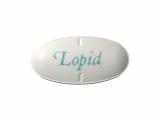
Generic Lopid ( Gemfibrozil )

Lopid
| Active ingredient | Gemfibrozil |
|---|---|
| Mechanism of action | Acts as a fibrate, reducing triglyceride synthesis and increasing lipoprotein lipase activity. |
| Common dose | 600 mg taken twice daily, usually with meals. |
| What is it used for? | To lower triglycerides and raise HDL-cholesterol in patients with dyslipidemia. |
| Important information on taking | Take with food to reduce gastrointestinal upset; continue therapy even if symptoms improve. |
| Common side effects | Gastrointestinal disturbances, headache, and mild muscle aches. |
| Serious risks | Rhabdomyolysis (especially when combined with certain statins) and severe hepatic dysfunction. |
| Interactions | Increased risk of myopathy with statins, anticoagulants, and certain antibiotics; avoid concomitant use with cyclosporine. |
| Contraindications | Active liver disease, severe renal impairment, biliary obstruction, or hypersensitivity to gemfibrozil. |
| Legal status | Prescription-only medication in most jurisdictions. |
Understanding Lopid and its purpose
Definition, therapeutic role, and mechanism of action of Lopid
Lopid is a lipid-lowering medication classified as a fibrate that reduces triglyceride levels in the blood. It is used to treat hypertriglyceridemia and to lower the risk of pancreatitis associated with elevated triglycerides. The drug works by activating peroxisome proliferator-activated receptor alpha which increases fatty acid oxidation and inhibits triglyceride synthesis. This leads to a decrease in circulating triglyceride-rich lipoproteins and a modest rise in high-density lipoprotein cholesterol. The increased oxidation of fatty acids reduces the substrate available for triglyceride production in the liver. Together these actions lower serum triglyceride concentrations and improve lipid profiles.
Pharmacological characteristics of Lopid
Lopid is a prescription medication used to improve lipid profiles in patients with elevated blood fats. Its pharmacological action lowers triglycerides and modestly raises high-density lipoprotein cholesterol. The drug works by activating peroxisome proliferator-activated receptor alpha in liver cells. Activation of this receptor increases the oxidation of fatty acids and reduces the production of new triglycerides. These biochemical changes lower circulating lipid concentrations and decrease the risk of cardiovascular events. Overall Lopid provides a pharmacologic strategy that modifies lipid metabolism through receptor-mediated transcriptional regulation.
Medical indications for Lopid
| Hyperlipidemia | 160 mg once daily; 6-12 weeks |
|---|---|
| Angina pectoris | 320 mg per day (split into 2 doses); up to 6 months |
| Stroke prevention | 250 mg twice daily; long-term |
Common side effects of Lopid
Side effects of Lopid
Lopid may cause gastrointestinal discomfort such as nausea or diarrhea. It can lead to muscle aches or weakness in some individuals. Some patients experience elevated liver enzyme levels that are detected through routine blood tests. Skin reactions like rash or itching have been reported occasionally. Headache and dizziness are possible neurological side effects. Changes in taste or appetite have been noted in clinical reports. Rarely, increased blood sugar levels have been observed in certain patients.
Important information to consider before taking Lopid
Lopid may cause mild stomach discomfort in some users. It can lead to muscle aches that are usually temporary. Liver enzyme tests may show temporary rises. Skin rash or itching can occur but is not common. Changes in blood sugar may be observed in rare cases. Swelling in the ankles or feet has been reported in a small number of cases. Most side effects are mild and often resolve as the body adjusts.
Frequently observed responses to Lopid
- Diarrhea
- Nausea
- Abdominal pain
- Headache
- Rash
- Fatigue
Lopid (gemfibrozil) can be an effective adjunct for managing dyslipidemia when diet and exercise alone are insufficient, especially in patients with elevated triglycerides or low hdl-c. It works by activating ppar-a, which reduces triglyceride production in the liver and modestly raises hdl cholesterol, though its influence on ldl-c is relatively modest. The drug is most beneficial when combined with a heart-healthy diet, regular physical activity, and often a statin for those at high cardiovascular risk. Common side effects include gastrointestinal upset and, rarely, gallstones or muscle problems, so monitoring liver enzymes and renal function is advisable. Potential users should maintain consistent dosing (usually twice daily with meals), avoid excessive alcohol, and inform their physician of any kidney disease or concomitant medications that affect the liver. Finally, while Lopid can improve lipid profiles, it is not a substitute for lifestyle changes, and its long-term cardiovascular benefits should be evaluated in the context of overall risk assessment.
 Nicole Wai-Ga Lau, M.D.
: ABEM Certified, Emergency Medicine
Nicole Wai-Ga Lau, M.D.
: ABEM Certified, Emergency Medicine

 Seneca A. Carrillo, M.D.
: ABEM Certified, Addiction, DEA, Emergency Medicine, MyEMCert, opioids, Resuscitation, Substance Use Disorder
Seneca A. Carrillo, M.D.
: ABEM Certified, Addiction, DEA, Emergency Medicine, MyEMCert, opioids, Resuscitation, Substance Use Disorder
 Douglas M. Young, D.O.
: ABEM Certified, Emergency Medicine
Douglas M. Young, D.O.
: ABEM Certified, Emergency Medicine
 Peter M. C. DeBlieux, M.D.
: ABEM Certified, Emergency Medicine
Peter M. C. DeBlieux, M.D.
: ABEM Certified, Emergency Medicine
 Adeel Saqib, M.D.
: ABEM Certified, Emergency Medicine
Adeel Saqib, M.D.
: ABEM Certified, Emergency Medicine


| Shipping method | Delivery time | Price | |
| Airmail service Delivery | 14-21 days | 14.95$ | Tracking# available in 4 days |
| Trackable service Delivery | 9-14 days | 30$ | Tracking# available in 2 days |
- Shipping worldwide
- Confidentiality and anonymity guarantee
- Safe and secure
- Discrete looking packages
- Dispatch orders within 24 hours
- 100% success delivery