


- Bestsellers
- Alcoholism
- Allergy
- Alzheimers
- Anti Fungal
- Anti Viral
- Anti-Depressants
- Anti-Inflammatory
- Antibacterial
- Antibiotics
- Antiparasitic
- Arthritis
- Asthma
- Birth Control
- Blood Pressure
- COVID-19
- Cancer
- Cardiovascular
- Cholesterol
- Diabetes
- Diuretics
- Erectile Dysfunction
- Eye Drop
- Gastro Health
- General Health
- HIV
- Hair Loss
- Hepatitis C Virus (HCV)
- Herbals
- Hormones
- Men's ED Packs
- Men's Health
- Mental Illness
- Motion Sickness
- Muscle Relaxant
- Pain Relief
- Parkinson’s Disease
- Quit Smoking
- Skin Care
- Sleeping Aids
- Veterinary Medicines
- Vitamins
- Weight Loss
- Women's Health
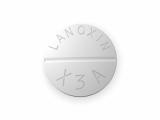
Generic Lanoxin ( Digoxin )


Lanoxin
| Active ingredient | Digoxin |
|---|---|
| Mechanism of action | Inhibits Na+/K+-ATPase, increasing intracellular sodium and calcium, which enhances cardiac contractility. |
| Common dose | Typically 0.125 mg to 0.25 mg once daily, adjusted for renal function and serum levels. |
| What is it used for? | Treatment of heart failure and atrial fibrillation. |
| Important information on taking | Take at the same time each day; monitor serum digoxin levels regularly; avoid rapid changes in diet or electrolytes. |
| Common side effects | Nausea, vomiting, visual disturbances (yellow/green halos), dizziness. |
| Serious risks | Arrhythmias (e.g., ventricular tachycardia), hyperkalemia, digoxin toxicity. |
| Interactions | Enhanced by amiodarone, quinidine, verapamil; reduced by drugs that increase renal clearance. |
| Contraindications | Severe ventricular arrhythmias, AV block without pacemaker, known hypersensitivity. |
| Legal status | Prescription-only medication. |
Exploring the basics of Lanoxin
Definition and mechanism of action of Lanoxin
Lanoxin is a cardiac glycoside medication used primarily to treat heart failure and irregular heart rhythms. It works by inhibiting the sodium-potassium atpase pump in cardiac myocytes. This inhibition raises intracellular sodium levels, which in turn increases intracellular calcium through the sodium-calcium exchanger. The elevated calcium enhances the force of cardiac contraction, improving the heart's pumping ability. Additionally, the drug slows conduction through the atrioventricular node, helping to regularize heart rate in atrial fibrillation. These effects together increase cardiac output while reducing the symptoms of heart failure. The medication is administered orally and its actions are dose-dependent, requiring careful monitoring of blood levels.
Understanding the pharmacological properties of Lanoxin
Lanoxin is a brand name for the cardiac glycoside digoxin, a medication used primarily to treat heart failure and certain arrhythmias. It belongs to a class of drugs that increase the force of myocardial contraction while also modulating heart rate through effects on the autonomic nervous system. Pharmacologically, digoxin acts by inhibiting the transmembrane sodium potassium atpase pump in cardiac myocytes, leading to intracellular sodium accumulation and secondary calcium increase that enhances contractility. The rise in intracellular calcium improves the strength of systolic contraction without significantly altering heart rate at therapeutic doses. By slowing conduction through the atrioventricular node, digoxin helps maintain a stable ventricular response when atrial fibrillation is present. This dual action of boosting cardiac output and controlling rhythm makes it therapeutically valuable for managing chronic heart failure and rhythm disturbances. Understanding how digoxin interacts with cellular ion transport provides insight into its role in modulating cardiac physiology and achieving sustained symptomatic relief.
Therapeutic uses of Lanoxin
| Heart Failure | 0.125 mg orally once daily - long-term |
|---|---|
| Atrial Fibrillation | 0.125-0.25 mg orally once daily - chronic |
| Congestive Heart Failure | 0.25 mg orally every other day - limited to 2 weeks |
The most common side effects
The most common side effects
The most common side effects include mild headache, fatigue, nausea, and temporary dizziness. Some people also experience mild skin rash, loss of appetite, or increased thirst. These reactions are usually short lived and resolve without treatment. They tend to be more frequent in children and adolescents. The side effects are generally predictable and documented in clinical studies. Monitoring health during the initial weeks can help identify patterns. Most individuals experience no serious complications from these mild effects.
Essential considerations before taking Lanoxin
The most common side effects reported across various studies include mild headache, temporary fatigue, occasional nausea, brief dizziness, slight muscle aches, and short-lived changes in taste. These effects are generally mild and tend to resolve without medical intervention. They occur more frequently in the first few days after initiation of treatment. Severity varies among individuals but most cases remain non-serious. No specific pattern guarantees occurrence for every person. Understanding these possibilities helps patients stay informed about what to expect.
Frequently observed responses to Lanoxin
- Nausea
- Vomiting
- Visual disturbances (e.g., halos, color changes)
- Arrhythmias
- Hypokalemia
Lanoxin (digoxin) remains a valuable therapy for certain cardiac conditions when used judiciously under medical supervision. Potential users should be aware that the drug has a narrow therapeutic window, so precise dosing and regular blood-level checks are essential. It is crucial to monitor heart rate and watch for signs of toxicity such as nausea, visual disturbances, or irregular rhythms. Patients must inform their healthcare provider of all concomitant medications, especially diuretics, certain antibiotics, and other heart-affecting drugs, to avoid harmful interactions. Maintaining adequate potassium and magnesium levels through diet or supplements can enhance efficacy and reduce adverse effects. Finally, routine follow-up appointments should be scheduled to reassess the need for continued therapy and to adjust the dose as clinical status evolves. Always consult a qualified clinician before initiating, altering, or discontinuing Lanoxin.
 Robert Charles Ford III, D.O.
: ABEM Certified, Addiction, DEA, Emergency Medicine, MyEMCert, opioids, Substance Use Disorder
Robert Charles Ford III, D.O.
: ABEM Certified, Addiction, DEA, Emergency Medicine, MyEMCert, opioids, Substance Use Disorder

 Amy R McManus, M.D.
: ABEM Certified, Emergency Medicine
Amy R McManus, M.D.
: ABEM Certified, Emergency Medicine
 Henry James Higby, M.D.
: ABEM Certified, Emergency Medicine
Henry James Higby, M.D.
: ABEM Certified, Emergency Medicine
 Chad Jeffrey Jensen, M.D.
: ABEM Certified, Emergency Medicine
Chad Jeffrey Jensen, M.D.
: ABEM Certified, Emergency Medicine

 Daniel J. Carlin, M.D.
: ABEM Certified, Emergency Medicine
Daniel J. Carlin, M.D.
: ABEM Certified, Emergency Medicine


| Shipping method | Delivery time | Price | |
| Airmail service Delivery | 14-21 days | 14.95$ | Tracking# available in 4 days |
| Trackable service Delivery | 9-14 days | 30$ | Tracking# available in 2 days |
- Shipping worldwide
- Confidentiality and anonymity guarantee
- Safe and secure
- Discrete looking packages
- Dispatch orders within 24 hours
- 100% success delivery