


- Bestsellers
- Alcoholism
- Allergy
- Alzheimers
- Anti Fungal
- Anti Viral
- Anti-Depressants
- Anti-Inflammatory
- Antibacterial
- Antibiotics
- Antiparasitic
- Arthritis
- Asthma
- Birth Control
- Blood Pressure
- COVID-19
- Cancer
- Cardiovascular
- Cholesterol
- Diabetes
- Diuretics
- Erectile Dysfunction
- Eye Drop
- Gastro Health
- General Health
- HIV
- Hair Loss
- Hepatitis C Virus (HCV)
- Herbals
- Hormones
- Men's ED Packs
- Men's Health
- Mental Illness
- Motion Sickness
- Muscle Relaxant
- Pain Relief
- Parkinson’s Disease
- Quit Smoking
- Skin Care
- Sleeping Aids
- Veterinary Medicines
- Vitamins
- Weight Loss
- Women's Health
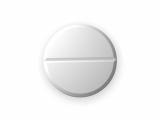
Generic Grifulvin ( Griseofulvin )


Grifulvin
| Active ingredient | Griseofulvin |
|---|---|
| Mechanism of action | Binds to keratin in fungal cells and inhibits microtubule formation |
| Common dose | 250 mg to 500 mg daily (often 10 mg/kg for children) |
| What is it used for? | Dermatophyte infections of skin, hair, and nails |
| Important information on taking | Take with a fatty meal to enhance absorption; complete the full prescribed course |
| Common side effects | Gastrointestinal upset, rash, photosensitivity |
| Serious risks | Potential hepatotoxicity and rare severe skin reactions |
| Interactions | May reduce efficacy of oral contraceptives; can increase levels of warfarin and other hepatotoxic drugs |
| Contraindications | Avoid in pregnancy, lactation, and in patients with severe liver disease |
| Legal status | Prescription-only medication in most countries |
Understanding Grifulvin and its purpose
Definition and mechanism of action of Grifulvin
Grifulvin is an oral antifungal medication used primarily for dermatophyte infections. It belongs to the class of fungal growth inhibitors that disrupt spore formation. The drug works by binding to fungal microtubules and inhibiting polymerization of tubulin. This interference prevents the organization of the mitotic spindle necessary for cell division. Consequently fungal cells are unable to proliferate and are gradually cleared by host immunity. Grifulvin is absorbed from the gastrointestinal tract and distributes widely to keratinized tissues. Its long half-life allows prolonged suppression of fungal growth with limited dosing frequency. The overall therapeutic effect results from sustained inhibition of fungal cell division in the skin and nails.
Understanding the pharmacological properties of Grifulvin
Grifulvin is an oral antifungal agent used primarily for treating dermatophyte infections of the skin and nails. It is classified within the fungistatic family of griseofulvin derivatives and works systemically after absorption in the gastrointestinal tract. The therapeutic role of Grifulvin involves inhibiting fungal cell division by binding to fungal microtubules and disrupting their assembly. This interaction prevents the formation of the mitotic spindle, thereby halting the growth and replication of susceptible fungi. It interferes with microtubule function and reduces the ability of fungi to divide and spread across host tissues. The resulting antifungal effect leads to clearance of the infection and improvement of clinical symptoms over time. Overall Grifulvin provides a systemic option for infections that are resistant to topical therapy and requires prolonged treatment courses.
When Grifulvin is indicated
| Dermatophytosis (ringworm) | 250-500 mg once daily for 4-8 weeks |
|---|---|
| Cutaneous candidiasis | 250-500 mg once daily for 2-4 weeks |
| Tinea capitis | 600-800 mg daily for 6-12 weeks |
Side effects of Grifulvin you should know about
Side effects of Grifulvin
Grifulvin is an antifungal medication used to treat certain infections. It works by interfering with the growth of fungal organisms. Some patients may experience mild gastrointestinal discomfort such as nausea or loss of appetite. Skin reactions can include rash, itching, or temporary discoloration in rare cases. Headache or dizziness have been reported in a small number of individuals. Liver function tests may show temporary changes that usually resolve after treatment ends. Photosensitivity can increase sensitivity to sunlight, so protective measures are advisable. The medication should be taken exactly as prescribed to achieve the best outcome.
Essential considerations before taking Grifulvin
Grifulvin is an oral antifungal medication used primarily for dermatophyte infections. Like many pharmaceuticals it can produce a range of side effects that vary in frequency and severity. Common adverse reactions include gastrointestinal discomfort such as nausea and abdominal pain. Some users may experience dermatological responses like rash or itching. Less frequently central nervous system symptoms such as headache or dizziness have been reported. In rare cases liver function abnormalities can occur and require monitoring. Photosensitivity is another documented effect that may increase sunburn risk. Most side effects are mild and transient but patients should be aware of any persistent or worsening symptoms.
Common effects experienced with Grifulvin
- Headache
- Nausea
- Abdominal pain
- Rash
- Photosensitivity
- Elevated liver enzymes
Grifulvin can be an effective oral therapy for dermatophyte infections when used correctly and under medical supervision. It works best when the full prescribed course is completed, even if symptoms improve early, to prevent recurrence. Patients should take the medication with a fatty meal or an appropriate antifungal ointment to enhance absorption and avoid missing doses. Common side-effects such as gastrointestinal upset, headache, or photosensitivity merit attention; if they become severe or are accompanied by jaundice, rash, or swelling, the drug should be stopped and a physician consulted promptly. Because Grifulvin can interact with hormonal contraceptives, alcohol, and certain liver-metabolized drugs, a thorough review of current medications and health conditions is essential before starting therapy. Finally, pregnant or breastfeeding women should only use Grifulvin after a careful risk-benefit assessment with their healthcare provider. By adhering to these guidelines, potential users can maximize therapeutic benefit while minimizing unnecessary risks.

 Ira Gordon Early, M.D.
: Certification, Medical Toxicology
Ira Gordon Early, M.D.
: Certification, Medical Toxicology

 Royale Nichols, M.D.
: ABEM Certified, Emergency Medicine
Royale Nichols, M.D.
: ABEM Certified, Emergency Medicine
 Dhimitri Arian Nikolla, D.O.
: ABEM Certified, Emergency Medicine
Dhimitri Arian Nikolla, D.O.
: ABEM Certified, Emergency Medicine
 Maia Dorsett, M.D., Ph.D.
: ABEM Certified, Board Certification, Emergency Medical Services, Emergency Medicine
Maia Dorsett, M.D., Ph.D.
: ABEM Certified, Board Certification, Emergency Medical Services, Emergency Medicine


| Shipping method | Delivery time | Price | |
| Airmail service Delivery | 14-21 days | 14.95$ | Tracking# available in 4 days |
| Trackable service Delivery | 9-14 days | 30$ | Tracking# available in 2 days |
- Shipping worldwide
- Confidentiality and anonymity guarantee
- Safe and secure
- Discrete looking packages
- Dispatch orders within 24 hours
- 100% success delivery