


- Bestsellers
- Alcoholism
- Allergy
- Alzheimers
- Anti Fungal
- Anti Viral
- Anti-Depressants
- Anti-Inflammatory
- Antibacterial
- Antibiotics
- Antiparasitic
- Arthritis
- Asthma
- Birth Control
- Blood Pressure
- COVID-19
- Cancer
- Cardiovascular
- Cholesterol
- Diabetes
- Diuretics
- Erectile Dysfunction
- Eye Drop
- Gastro Health
- General Health
- HIV
- Hair Loss
- Hepatitis C Virus (HCV)
- Herbals
- Hormones
- Men's ED Packs
- Men's Health
- Mental Illness
- Motion Sickness
- Muscle Relaxant
- Pain Relief
- Parkinson’s Disease
- Quit Smoking
- Skin Care
- Sleeping Aids
- Veterinary Medicines
- Vitamins
- Weight Loss
- Women's Health
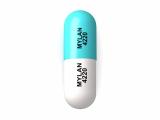
Generic Fluoxetine


Fluoxetine
| Active ingredient | Fluoxetine |
|---|---|
| Mechanism of action | Selective serotonin reuptake inhibitor (SSRI) that blocks the serotonin transporter, increasing serotonin levels in the central nervous system. |
| Common dose | Typically 20 mg once daily, dose may be adjusted by the prescribing clinician. |
| What is it used for? | Major depressive disorder, obsessive-compulsive disorder, bulimia nervosa, panic disorder, and other mood/anxiety conditions. |
| Important information on taking | Take at the same time each day, with or without food; do not crush or split tablets; therapeutic effect may require several weeks. |
| Common side effects | Nausea, headache, dry mouth, insomnia, drowsiness, sweating, sexual dysfunction. |
| Serious risks | Increased suicidal thoughts in young adults, serotonin syndrome, seizures, hyponatremia. |
| Interactions | Interacts with MAO inhibitors, other SSRIs, triptans, anticoagulants, CNS depressants, and drugs metabolized by CYP2D6. |
| Contraindications | Hypersensitivity to fluoxetine, concurrent use of monoamine oxidase inhibitors, severe hepatic impairment. |
| Legal status | Prescription-only medication in most countries; classified as a controlled substance in some jurisdictions. |
What you should know about Fluoxetine
How Fluoxetine works in the body: definition and pharmacological action
Fluoxetine is a selective serotonin reuptake inhibitor used primarily to treat depression and anxiety disorders. It works by blocking the reabsorption of serotonin in the brain, increasing the amount of this neurotransmitter available to bind to receptors. The elevated serotonin levels help improve mood, reduce feelings of sadness, and alleviate anxiety symptoms over time. By modulating serotonin signaling, Fluoxetine also influences other downstream pathways that regulate sleep and emotional processing. The drug is absorbed in the gastrointestinal tract and reaches peak plasma concentrations within a few hours after oral administration. Its active metabolite norFluoxetine contributes to prolonged pharmacologic activity, extending the effect over several days. Overall Fluoxetine provides a sustained therapeutic benefit by maintaining higher serotonin levels in the central nervous system.
Pharmacological characteristics of Fluoxetine
Fluoxetine is a selective serotonin reuptake inhibitor used primarily as an antidepressant medication. It is classified pharmacologically as a serotonergic agent that modulates neurotransmitter levels in the central nervous system. The drug works by blocking the reabsorption of serotonin into presynaptic nerve terminals thereby increasing the extracellular availability of this neurotransmitter. This heightened serotonin concentration enhances mood regulation and reduces symptoms of depression and anxiety disorders. Fluoxetine's long half-life and active metabolite contribute to sustained therapeutic effects over time. Inhibition of serotonin transport leads to downstream activation of serotonin receptors which alters neuronal signaling pathways involved in affect and cognition. The cumulative effect of these interactions results in improved mood stability and reduced depressive symptoms.
Fluoxetine: typical uses
| Major Depressive Disorder | 20 mg once daily; continue for at least 6-12 weeks after symptom improvement. |
|---|---|
| Obsessive-Compulsive Disorder | 20 mg once daily, may be increased up to 60 mg; typical treatment duration several months. |
| Bulimia Nervosa | 20 mg once daily (often divided), usually prescribed for 12 weeks or longer. |
Side effects of Fluoxetine you should know about
Common side effects of Fluoxetine
Fluoxetine may cause nausea especially when first taken. A mild headache can occur during the initial weeks of treatment. Some people experience difficulty sleeping or increased restlessness. Dry mouth is reported by several users. Dizziness or light headedness may appear occasionally. Sweating can increase without any clear trigger.
Key factors to keep in mind before using
Nausea is a frequently reported side effect of Fluoxetine. Headache often occurs in users of this medication. Some individuals experience difficulty sleeping or feeling unusually restless. Dry mouth is also commonly noted among patients taking Fluoxetine. Feelings of heightened anxiety may appear early in treatment. Changes in sexual desire or function are frequently observed. These effects are typically mild to moderate and often lessen over time.
Common effects experienced with Fluoxetine
- Nausea
- Dry mouth
- Insomnia
- Diarrhea
- Sexual dysfunction
- Headache
Fluoxetine remains one of the most widely prescribed ssris for conditions such as major depressive disorder, obsessive-compulsive disorder, and panic disorder, thanks to its long-lasting effect and convenient once-daily dosing. While most patients tolerate it well, some may experience side effects that range from mild (nausea, dry mouth) to more serious (increased suicidal thoughts, serotonin syndrome). It is essential to start with a low dose, monitor mood changes closely, and maintain regular contact with a healthcare provider throughout treatment. Do not combine Fluoxetine with monoamine oxidase inhibitors or certain over-the-counter supplements without professional guidance, as dangerous interactions can occur. If you notice worsening depression, unusual mood swings, or any signs of an allergic reaction, seek medical attention immediately. Finally, keep the medication in its original container, store it at room temperature away from moisture, and never share it with others, even if they have similar diagnoses. By following these precautions and staying informed, you can maximize the therapeutic benefits of Fluoxetine while minimizing potential risks.
 Nadine Talia, M.D.
: ABEM Certified, Emergency Medicine
Nadine Talia, M.D.
: ABEM Certified, Emergency Medicine

 Luke
: ABEM Certified, Emergency Medicine
Luke
: ABEM Certified, Emergency Medicine

 David P. Bryant, D.O.
: ABEM Certified, Emergency Medicine
David P. Bryant, D.O.
: ABEM Certified, Emergency Medicine
 Glenn Alan Birnbaum, M.D.
: ABEM Certified, Emergency Medicine
Glenn Alan Birnbaum, M.D.
: ABEM Certified, Emergency Medicine
 Robert Boyd Tober, M.D.
: ABEM Certified, Emergency Medicine
Robert Boyd Tober, M.D.
: ABEM Certified, Emergency Medicine
 Barbara Van De Water
: ABEM Certified, Emergency Medicine
Barbara Van De Water
: ABEM Certified, Emergency Medicine
 Tristen Burt, D.O.
: ABEM Certified, Emergency Medicine
Tristen Burt, D.O.
: ABEM Certified, Emergency Medicine


| Shipping method | Delivery time | Price | |
| Airmail service Delivery | 14-21 days | 14.95$ | Tracking# available in 4 days |
| Trackable service Delivery | 9-14 days | 30$ | Tracking# available in 2 days |
- Shipping worldwide
- Confidentiality and anonymity guarantee
- Safe and secure
- Discrete looking packages
- Dispatch orders within 24 hours
- 100% success delivery