


- Bestsellers
- Alcoholism
- Allergy
- Alzheimers
- Anti Fungal
- Anti Viral
- Anti-Depressants
- Anti-Inflammatory
- Antibacterial
- Antibiotics
- Antiparasitic
- Arthritis
- Asthma
- Birth Control
- Blood Pressure
- COVID-19
- Cancer
- Cardiovascular
- Cholesterol
- Diabetes
- Diuretics
- Erectile Dysfunction
- Eye Drop
- Gastro Health
- General Health
- HIV
- Hair Loss
- Hepatitis C Virus (HCV)
- Herbals
- Hormones
- Men's ED Packs
- Men's Health
- Mental Illness
- Motion Sickness
- Muscle Relaxant
- Pain Relief
- Parkinson’s Disease
- Quit Smoking
- Skin Care
- Sleeping Aids
- Veterinary Medicines
- Vitamins
- Weight Loss
- Women's Health
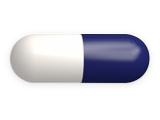
Generic Elmiron ( Pentosan polysulfate )


Elmiron
| Active ingredient | Pentosan polysulfate sodium |
|---|---|
| Mechanism of action | Protects bladder lining by inhibiting inflammatory enzymes |
| Common dose | 100 mg three times daily (empty stomach) |
| What is it used for? | Interstitial cystitis |
| Important information on taking | Take on empty stomach (1 hour before/2 hours after meals) |
| Common side effects | Diarrhea, nausea, hair loss, headache |
| Serious risks | Bleeding risk (with anticoagulants), allergic reactions |
| Interactions | Anticoagulants (e.g., warfarin, aspirin) |
| Contraindications | Hypersensitivity to pentosan polysulfate sodium |
| Legal status | Prescription medication (US) |
A closer look at Elmiron and how it works
How Elmiron works in the body: definition and pharmacological action
Elmiron is a medication used to treat chronic interstitial cystitis. Its active ingredient is pentosan polysulfate sodium which is derived from a naturally occurring polysaccharide. The drug works by forming a protective layer on the bladder wall that reduces irritation. This protective action helps to modulate the inflammatory response and decrease pain signals. By interacting with the glycosaminoglycan layer the medication supports the integrity of the epithelial barrier. The resulting shielding effect leads to improved symptom control and better quality of life for patients. Pharmacologically the compound is not absorbed systemically to a significant extent and remains localized within the urinary tract. The localized presence allows the therapeutic benefit to be achieved without widespread distribution.
Pharmacological properties of Elmiron
Elmiron is a medication used in the treatment of interstitial cystitis. Its structure is a polyanionic compound that binds to the glycosaminoglycan layer of the bladder epithelium. The interaction strengthens the protective barrier of the bladder lining and reduces inflammatory signals. The drug modulates cellular signaling pathways that influence pain perception in the urinary tract. This modulation leads to decreased sensitivity of nerve endings and relief of chronic pelvic discomfort. The pharmacological activity is primarily attributed to its ability to enhance protection of the urothelium and attenuate immune-mediated irritation. The overall therapeutic role is to improve symptoms associated with interstitial cystitis by supporting mucosal integrity.
Elmiron: typical uses
| Gastroesophageal reflux disease | 20 mg twice daily for 8-12 weeks |
|---|---|
| Zollinger-Ellison syndrome | 40 mg once daily (often divided) for several weeks |
| H. pylori infection | 10 mg three times daily for 14 days |
Common reactions Elmiron can cause
Side effects of Elmiron you should know about
Elmiron is prescribed for certain bladder conditions and works by protecting the lining of the organ. Some patients report changes in hair color or texture while taking the drug. Vision disturbances such as blurred sight or difficulty distinguishing certain colors have been noted in clinical reports. Gastrointestinal symptoms like nausea, diarrhea, or abdominal discomfort may occur. Skin reactions including rash or itching can appear in a minority of users. Bone density reductions have been observed in long-term users, though the exact mechanism remains unclear. Rare cases of lung inflammation have been documented during treatment. Overall these effects vary among individuals and are not guaranteed to affect every patient.
What to know before starting Elmiron
Elmiron can cause pigment deposits in the retina that may affect vision. Some users report changes in color perception or blurry vision over time. Hair loss has been documented as a possible side effect. Gastrointestinal symptoms such as diarrhea may occur. Headache and dizziness are also reported in certain cases. Skin reactions like rash can develop occasionally. Rarely, the medication is associated with allergic responses. Monitoring of eye health is recommended during treatment.
Frequently observed responses to Elmiron
- Headache
- Diarrhea
- Nausea
- Dizziness
- Abdominal pain
Elmiron can help alleviate bladder pain for some patients, but its effectiveness varies and requires consistent use. Because it may take several months to notice benefits, patience and regular follow-up with your healthcare provider are essential. Be aware of the potential risk of retinal toxicity, so routine eye examinations are recommended after five years of continuous therapy. If you experience any visual changes, such as blurred vision or difficulty reading, contact your doctor immediately. Maintain a symptom diary to help your clinician assess how the medication is working alongside lifestyle modifications. Stay hydrated and avoid irritants like caffeine or alcohol that can exacerbate bladder discomfort. Finally, never start or stop Elmiron without medical supervision, as dosage adjustments are crucial for safety.
 Antony Awad, D.O., M.S.
: ABEM Certified, Emergency Medicine
Antony Awad, D.O., M.S.
: ABEM Certified, Emergency Medicine

 Ashley Grant, D.O.
: ABEM Certified, Advanced Emergency Medicine Ultrasonography, Emergency Medicine, Focused Practice Designation, Ultrasonography, Ultrasound
Ashley Grant, D.O.
: ABEM Certified, Advanced Emergency Medicine Ultrasonography, Emergency Medicine, Focused Practice Designation, Ultrasonography, Ultrasound
 Paul Anthony Testa, M.D.
: ABEM Certified, Emergency Medicine
Paul Anthony Testa, M.D.
: ABEM Certified, Emergency Medicine

 Royale Nichols, M.D.
: ABEM Certified, Emergency Medicine
Royale Nichols, M.D.
: ABEM Certified, Emergency Medicine
 William Weir
: ABEM Certified, Board Certification, Emergency Medical Services, Emergency Medicine
William Weir
: ABEM Certified, Board Certification, Emergency Medical Services, Emergency Medicine
 Antonio Napolitano, M.D.
: ABEM Certified, Emergency Medicine
Antonio Napolitano, M.D.
: ABEM Certified, Emergency Medicine


| Shipping method | Delivery time | Price | |
| Airmail service Delivery | 14-21 days | 10$ | Tracking# available in 4 days |
| Trackable service Delivery | 9-14 days | 30$ | Tracking# available in 2 days |
- Shipping worldwide
- Confidentiality and anonymity guarantee
- Safe and secure
- Discrete looking packages
- Dispatch orders within 24 hours
- 100% success delivery