


- Bestsellers
- Alcoholism
- Allergy
- Alzheimers
- Anti Fungal
- Anti Viral
- Anti-Depressants
- Anti-Inflammatory
- Antibacterial
- Antibiotics
- Antiparasitic
- Arthritis
- Asthma
- Birth Control
- Blood Pressure
- COVID-19
- Cancer
- Cardiovascular
- Cholesterol
- Diabetes
- Diuretics
- Erectile Dysfunction
- Eye Drop
- Gastro Health
- General Health
- HIV
- Hair Loss
- Hepatitis C Virus (HCV)
- Herbals
- Hormones
- Men's ED Packs
- Men's Health
- Mental Illness
- Motion Sickness
- Muscle Relaxant
- Pain Relief
- Parkinson’s Disease
- Quit Smoking
- Skin Care
- Sleeping Aids
- Veterinary Medicines
- Vitamins
- Weight Loss
- Women's Health
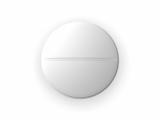
Generic Diovan ( Valsartan )


Diovan
| Active ingredient | Valsartan |
|---|---|
| Mechanism of action | AngiotensinII receptor antagonist that blocks AT1 receptors, causing vasodilation and reduced aldosterone secretion |
| Common dose | Typical starting dose 80 mg once daily; usual range 80-320 mg once daily |
| What is it used for? | Treatment of hypertension, heart failure, diabetic nephropathy, and to reduce cardiovascular risk |
| Important information on taking | Take by mouth with or without food; take at the same time each day; swallow whole; if a dose is missed, take it as soon as remembered unless it is almost time for the next dose |
| Common side effects | Dizziness, headache, fatigue, cough, elevated serum potassium |
| Serious risks | Angioedema, acute kidney injury, hyperkalemia, severe hypotension, hepatic injury |
| Interactions | May interact with other antihypertensives, potassium-rich supplements, NSAIDs, lithium, certain diuretics, and aliskiren in patients with diabetes and renal impairment |
| Contraindications | Hypersensitivity to valsartan or any excipients, severe renal impairment, bilateral renal artery stenosis, second/third-trimester pregnancy, and use with aliskiren in diabetic patients with renal dysfunction |
| Legal status | Prescription-only medication (Rx); not available over-the-counter |
What you should know about Diovan
Definition, therapeutic role, and mechanism of action of Diovan
Diovan is the brand name for valsartan, an angiotensin ii receptor blocker used primarily to treat high blood pressure and heart failure. It works by blocking the action of angiotensin ii, a hormone that causes blood vessels to constrict. By inhibiting this hormone, the medication promotes vasodilation and reduces the workload on the heart. This leads to lower blood pressure and improved cardiac output in patients with hypertension or heart failure. The drug also helps to protect the kidneys in individuals with diabetes-related kidney disease. Diovan is taken orally in tablet form and is usually prescribed as part of a comprehensive treatment plan. Its therapeutic effects are achieved through selective blockade of the at1 receptor subtype.
Key pharmacological features and clinical properties of Diovan
Diovan is an angiotensin ii receptor blocker prescribed for managing hypertension. Its chemical name is valsartan and it works by binding to the receptor to prevent the action of angiotensin ii. By blocking this hormone the drug reduces vasoconstriction and lowers systemic vascular resistance. This dual effect leads to a measurable decrease in systolic and diastolic blood pressure. The medication also improves cardiac output and can benefit patients with certain forms of heart failure. The active compound is absorbed orally and reaches peak plasma concentrations within a few hours after dosing. Its pharmacokinetic profile includes extensive metabolism in the liver and elimination primarily through the biliary route. The overall pharmacological activity of Diovan is aimed at restoring a more favorable hemodynamic balance in the cardiovascular system.
Clinical indications for Diovan
| Hypertension | 80 mg once daily - typically prescribed for long-term management |
|---|---|
| Heart Failure | 160 mg twice daily - usually taken chronically under physician supervision |
| Left Ventricular Hypertrophy | 80 mg once daily - generally used for extended treatment |
Common reactions Diovan can cause
Side effects of Diovan you should know about
Diovan can cause dizziness or light-headedness, especially when standing up quickly. A persistent dry cough may occur in some users. Elevated blood potassium levels are possible with long-term use. Headache and fatigue are among the more frequently reported symptoms. Some individuals experience swelling of the ankles or feet due to fluid retention. Rarely, an allergic reaction such as skin rash or itching may develop. Diovan may affect kidney function, leading to changes in urine output. In uncommon cases, a serious skin reaction like stevens-johnson syndrome can appear.
What to know before starting Diovan
Diovan is a medication that blocks angiotensin ii receptors to help lower blood pressure. It is also prescribed for certain forms of heart failure. Some patients report dizziness or lightheadedness when standing up quickly. Headache and fatigue are frequently reported side effects. A dry cough may occur in a small number of users. Changes in kidney function or elevated potassium levels can be observed on blood tests. Swelling of the ankles or feet may appear in rare cases.
Frequently observed responses to Diovan
- Dizziness or light-headedness
- Headache
- Fatigue
- Hyperkalemia (elevated potassium)
- Decrease in kidney function
Diovan (valsartan) is an effective angiotensin-ii receptor blocker that helps lower blood pressure, protect the heart and kidneys, and improve outcomes in patients with hypertension and heart failure, but its benefits are maximized only when taken exactly as prescribed. Patients should consistently monitor their blood pressure and report any sudden drops, swelling, or persistent coughing, as these may signal adverse reactions. It is essential to avoid concomitant use of potassium-sparing diuretics, nsaids, or other renin-angiotensin system inhibitors without medical supervision, and to inform healthcare providers about all current medications and supplements. Pregnant women must discontinue Diovan immediately, as it can cause severe fetal harm, especially during the second and third trimesters. Lifestyle modifications such as a low-sodium diet, regular physical activity, and adequate hydration complement the drug's effects and reduce the risk of side effects. Finally, routine follow-up appointments are crucial for dose adjustments, kidney-function tests, and to ensure long-term safety, empowering users to maintain optimal cardiovascular health under professional guidance.
 Kenneth MacLeod Rice, M.D.
: ABEM Certified, Addiction, DEA, Emergency Medicine, MyEMCert, opioids, Substance Use Disorder
Kenneth MacLeod Rice, M.D.
: ABEM Certified, Addiction, DEA, Emergency Medicine, MyEMCert, opioids, Substance Use Disorder

 Luke
: ABEM Certified, Emergency Medicine
Luke
: ABEM Certified, Emergency Medicine

 Christopher Tegeler
: ABEM Certified, Emergency Medicine
Christopher Tegeler
: ABEM Certified, Emergency Medicine
 Charles Taylor
: ABEM Certified, Emergency Medicine
Charles Taylor
: ABEM Certified, Emergency Medicine
 Connor Michael Talbott, M.D.
: ABEM Certified, Emergency Medicine
Connor Michael Talbott, M.D.
: ABEM Certified, Emergency Medicine
 Matthew Robert Lohse, M.D.
: ABEM Certified, Advanced Emergency Medicine Ultrasonography, Emergency Medicine, Focused Practice Designation, Ultrasonography, Ultrasound
Matthew Robert Lohse, M.D.
: ABEM Certified, Advanced Emergency Medicine Ultrasonography, Emergency Medicine, Focused Practice Designation, Ultrasonography, Ultrasound
 Sarah Kristin Kennedy, M.D.
: ABEM Certified, Advanced Emergency Medicine Ultrasonography, Emergency Medicine, Focused Practice Designation, Ultrasonography, Ultrasound
Sarah Kristin Kennedy, M.D.
: ABEM Certified, Advanced Emergency Medicine Ultrasonography, Emergency Medicine, Focused Practice Designation, Ultrasonography, Ultrasound
 Mathew Goebel, M.D.
: ABEM Certified, Board Certification, Emergency Medical Services, Emergency Medicine
Mathew Goebel, M.D.
: ABEM Certified, Board Certification, Emergency Medical Services, Emergency Medicine
 Barbara Van De Water
: ABEM Certified, Emergency Medicine
Barbara Van De Water
: ABEM Certified, Emergency Medicine


| Shipping method | Delivery time | Price | |
| Airmail service Delivery | 14-21 days | 14.95$ | Tracking# available in 4 days |
| Trackable service Delivery | 9-14 days | 30$ | Tracking# available in 2 days |
- Shipping worldwide
- Confidentiality and anonymity guarantee
- Safe and secure
- Discrete looking packages
- Dispatch orders within 24 hours
- 100% success delivery