


- Bestsellers
- Alcoholism
- Allergy
- Alzheimers
- Anti Fungal
- Anti Viral
- Anti-Depressants
- Anti-Inflammatory
- Antibacterial
- Antibiotics
- Antiparasitic
- Arthritis
- Asthma
- Birth Control
- Blood Pressure
- COVID-19
- Cancer
- Cardiovascular
- Cholesterol
- Diabetes
- Diuretics
- Erectile Dysfunction
- Eye Drop
- Gastro Health
- General Health
- HIV
- Hair Loss
- Hepatitis C Virus (HCV)
- Herbals
- Hormones
- Men's ED Packs
- Men's Health
- Mental Illness
- Motion Sickness
- Muscle Relaxant
- Pain Relief
- Parkinson’s Disease
- Quit Smoking
- Skin Care
- Sleeping Aids
- Veterinary Medicines
- Vitamins
- Weight Loss
- Women's Health
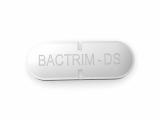
Generic Bactrim ( Trimethoprim )

Bactrim
| Active ingredient | Trimethoprim/sulfamethoxazole (1:5) |
|---|---|
| Mechanism of action | Inhibits bacterial folate synthesis by blocking dihydrofolate reductase and subsequent steps |
| Common dose | Typically one double-strength tablet (800 mg/160 mg) twice daily for 10-14 days (adjustable by indication) |
| What is it used for? | Urinary tract infections, respiratory tract infections, traveler's diarrhea, and certain opportunistic infections |
| Important information on taking | Take with a full glass of water; can be taken with or without food; complete the full course; do not skip doses |
| Common side effects | Nausea, vomiting, loss of appetite, rash, pruritus |
| Serious risks | Stevens-Johnson syndrome, severe skin reactions, agranulocytosis, hepatotoxicity, renal impairment |
| Interactions | Increased serum levels with warfarin, phenytoin, sulfonylureas; additive effects with other folate antagonists; avoid concurrent sulfonamides |
| Contraindications | Known sulfonamide hypersensitivity, severe renal impairment, G6PD deficiency, certain infections (e.g., HIV-related) |
| Legal status | Prescription-only antibiotic in most jurisdictions; not a controlled substance |
A closer look at Bactrim and how it works
Definition, therapeutic role, and mechanism of action of Bactrim
Bactrim is a sulfonamide antibiotic combination of trimethoprim and sulfamethoxazole. The therapeutic role of Bactrim is to treat bacterial infections by inhibiting folic acid synthesis in microbes. Trimethoprim binds to dihydrofolate reductase blocking its activity. Sulfamethoxazole acts as a competitive inhibitor of dihydropteroate synthase interfering with folate production. The dual blockade disrupts nucleic acid synthesis and leads to bacteriostatic or bactericidal effects depending on concentrations. After oral administration the drug is absorbed rapidly reaching peak plasma levels within one hour. Metabolism results in active metabolites that are eliminated primarily through renal excretion maintaining sustained antimicrobial activity throughout the dosing interval.
Pharmacodynamics and pharmacological profile of Bactrim
Trimethoprim-sulfamethoxazole is commonly known as Bactrim and is an antibacterial combination used to treat various infections. It works by inhibiting bacterial folic acid synthesis through two distinct enzymes. The sulfonamide component blocks the enzyme dihydropteroate synthase preventing folate production. Trimethoprim then binds to bacterial dihydrofolate reductase also halting folate synthesis. By blocking these pathways the drug stops bacterial growth and ultimately leads to their death. This dual inhibition makes Bactrim effective against a broad range of susceptible gram-positive and gram-negative organisms.
Clinical indications for Bactrim
| Acne | 160 mg twice daily for 10-14 days |
|---|---|
| UTI | 160 mg twice daily for 10-14 days |
| Pneumonia | 1600 mg twice daily for 10-14 days |
Common reactions Bactrim can cause
Common side effects of Bactrim
Common side effects of Bactrim may include mild skin rash, nausea, or loss of appetite. Some patients experience headache or dizziness during treatment. In certain cases, the medication can cause increased sensitivity to sunlight. A small number of users report metallic taste or mild abdominal discomfort. Rarely, a rash or itching may develop as an allergic response. Most side effects are temporary and resolve without intervention.
Important information to consider before taking Bactrim
Common side effects of Bactrim include nausea, vomiting, and loss of appetite. Patients may also experience skin reactions such as rash, itching, or photosensitivity. Gastrointestinal disturbances like diarrhea or abdominal pain can occur. Headache, dizziness, or mild fever are occasionally reported. In some cases, changes in taste perception or transient liver enzyme elevations may be observed. These effects are generally mild and resolve without specific treatment.
Common reactions associated with Bactrim
- Allergic reactions
- Nausea
- Vomiting
- Diarrhea
- Rash
Bactrim remains a valuable, broad-spectrum antibiotic for treating susceptible bacterial infections, but its benefits are maximized only when used judiciously. Patients should complete the full prescribed course, even if symptoms improve early, to prevent the emergence of resistant strains. It is advisable to take the medication with adequate fluids and food to reduce gastrointestinal upset, while avoiding excessive sun exposure or tanning beds, which can increase the risk of photosensitivity reactions. Individuals with known allergies to sulfonamides, severe liver or kidney disease, or who are pregnant or breastfeeding should discuss alternatives with their healthcare provider. Regular monitoring of kidney function and electrolyte levels is recommended, especially in older adults or those on high doses. Finally, always consult a qualified clinician before starting, adjusting, or discontinuing Bactrim, and report any adverse effects promptly.
 Gregory Wallingford, M.D.
: ABEM Certified, Certification, Emergency Medicine, Hospice, Palliative Care
Gregory Wallingford, M.D.
: ABEM Certified, Certification, Emergency Medicine, Hospice, Palliative Care

 Jose C. Maria-Rios, M.D.
: ABEM, ABEM Certified, Critical Care, Emergency Medicine, Internal Medicine
Jose C. Maria-Rios, M.D.
: ABEM, ABEM Certified, Critical Care, Emergency Medicine, Internal Medicine
 Royale Nichols, M.D.
: ABEM Certified, Emergency Medicine
Royale Nichols, M.D.
: ABEM Certified, Emergency Medicine
 Matthew Adam Von Zimmerman, D.O.
: ABEM Certified, Emergency Medicine
Matthew Adam Von Zimmerman, D.O.
: ABEM Certified, Emergency Medicine
 Nicole Wai-Ga Lau, M.D.
: ABEM Certified, Emergency Medicine
Nicole Wai-Ga Lau, M.D.
: ABEM Certified, Emergency Medicine
 Chad Jeffrey Jensen, M.D.
: ABEM Certified, Emergency Medicine
Chad Jeffrey Jensen, M.D.
: ABEM Certified, Emergency Medicine


| Shipping method | Delivery time | Price | |
| Airmail service Delivery | 14-21 days | 14.95$ | Tracking# available in 4 days |
| Trackable service Delivery | 9-14 days | 30$ | Tracking# available in 2 days |
- Shipping worldwide
- Confidentiality and anonymity guarantee
- Safe and secure
- Discrete looking packages
- Dispatch orders within 24 hours
- 100% success delivery