


- Bestsellers
- Alcoholism
- Allergy
- Alzheimers
- Anti Fungal
- Anti Viral
- Anti-Depressants
- Anti-Inflammatory
- Antibacterial
- Antibiotics
- Antiparasitic
- Arthritis
- Asthma
- Birth Control
- Blood Pressure
- COVID-19
- Cancer
- Cardiovascular
- Cholesterol
- Diabetes
- Diuretics
- Erectile Dysfunction
- Eye Drop
- Gastro Health
- General Health
- HIV
- Hair Loss
- Hepatitis C Virus (HCV)
- Herbals
- Hormones
- Men's ED Packs
- Men's Health
- Mental Illness
- Motion Sickness
- Muscle Relaxant
- Pain Relief
- Parkinson’s Disease
- Quit Smoking
- Skin Care
- Sleeping Aids
- Veterinary Medicines
- Vitamins
- Weight Loss
- Women's Health
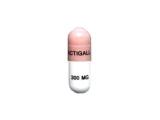
Generic Actigall ( Ursodeoxycholic acid )

Actigall
| Active ingredient | Ursodeoxycholic acid |
|---|---|
| Mechanism of action | Reduces hepatic cholesterol synthesis and increases bile flow |
| Common dose | 300 mg taken twice daily |
| What is it used for? | Treatment of primary biliary cholangitis |
| Important information on taking | Take with food; store at room temperature |
| Common side effects | Diarrhea, nausea, abdominal pain |
| Serious risks | Gallstone formation, hepatic enzyme elevation |
| Interactions | Avoid concomitant use with certain lipid-lowering agents |
| Contraindications | Hypersensitivity to ursodeoxycholic acid |
| Legal status | Prescription medication |
What you should know about Actigall
Definition and mechanism of action of Actigall
Actigall is a medication containing ursodeoxycholic acid that is used primarily to dissolve cholesterol gallstones and to treat certain liver disorders. It works by decreasing the production of cholesterol in the liver and by promoting the expulsion of cholesterol into the bile. The drug increases the solubility of cholesterol in bile, which prevents the formation of solid gallstone crystals. Actigall also modulates the immune response in the bile duct, reducing inflammation associated with some liver conditions. By altering the composition of bile, it facilitates the gradual dissolution of existing gallstones over time. The therapeutic effect is achieved through a gradual reduction of cholesterol saturation, leading to stone shrinkage and eventual clearance. Overall Actigall provides a non-surgical option for selected patients with cholesterol gallstones or specific hepatic diseases.
Pharmacological properties of Actigall
Actigall is a prescription medication used primarily to dissolve small cholesterol gallstones. Its pharmacological property is that it accelerates bile acid synthesis and promotes cholesterol solubilization in the gallbladder. The drug functions by activating the nuclear receptor fxr which increases bile flow and reduces cholesterol saturation. It also exhibits anti-inflammatory effects that help protect liver cells from injury. Through these actions the medication lowers cholesterol saturation index and facilitates gradual stone dissolution. Clinical use targets patients with radiolucent stones who are candidates for non-surgical management. The overall mechanism involves modulation of bile composition and enhanced gallbladder motility to achieve therapeutic stone clearance.
Clinical indications for Actigall
| Ulcerative colitis | 300 mg three times daily for up to 12 weeks |
|---|---|
| Primary biliary cholangitis | 600 mg twice daily for 6 months |
| Primary sclerosing cholangitis | 600 mg three times daily for 12 months |
Common reactions Actigall can cause
Common reactions Actigall can cause
Actigall may cause diarrhea in some patients as a common side effect. Nausea and mild abdominal discomfort are also reported frequently. Some individuals experience mild constipation or changes in bowel habits. Headache and dizziness can occur but are usually transient. Fatigue is occasionally observed during treatment. Elevated liver enzyme levels have been noted in routine monitoring. Skin rash or itching may appear as uncommon skin reactions. Most side effects are mild and resolve without medical intervention.
Key factors to keep in mind before using
Diarrhea may occur as a common side effect. Nausea can be experienced by some patients. Abdominal pain sometimes develops during treatment. Constipation is also reported occasionally. Headache may appear in certain individuals. Dizziness sometimes accompanies the therapy. Fatigue may be observed in a minority of users. Skin rash can develop in some cases.
Common effects experienced with Actigall
- Headache
- Nausea
- Abdominal pain
- Diarrhea
- Flatulence
Actigall offers a valuable, non-invasive option for patients seeking to dissolve small cholesterol-based gallstones or to aid in the management of certain liver conditions, but its effectiveness hinges on strict adherence to prescribed dosing and regular medical monitoring. Potential users should first obtain a thorough evaluation from a healthcare professional to confirm that Actigall is appropriate for their specific diagnosis and to rule out contraindications such as biliary obstruction or severe liver disease. It is essential to take the medication exactly as directed, typically with meals, and to maintain adequate hydration to support bile flow. Patients should be vigilant for common side effects like diarrhea, abdominal discomfort, or transient elevations in liver enzymes, and report any persistent or severe symptoms promptly. Periodic liver function tests and, when indicated, imaging studies can help ensure the drug is working without causing adverse effects. Finally, pairing Actigall therapy with a balanced, low-cholesterol diet and lifestyle modifications can enhance therapeutic outcomes and reduce the likelihood of stone recurrence.
 Robert Charles Ford III, D.O.
: ABEM Certified, Addiction, DEA, Emergency Medicine, MyEMCert, opioids, Substance Use Disorder


 Ashley Grant, D.O.
: ABEM Certified, Advanced Emergency Medicine Ultrasonography, Emergency Medicine, Focused Practice Designation, Ultrasonography, Ultrasound
 Jordan Biet Barnett, M.D. MBA
: ABEM Certified, Emergency Medicine
 Rebekah Hodge, M.D.
: ABEM, ABEM Certified, Critical Care, Emergency Medicine, Internal Medicine
 Glenn Alan Birnbaum, M.D.
: ABEM Certified, Emergency Medicine
Jordan Biet Barnett, M.D. MBA
: ABEM Certified, Emergency Medicine


| Shipping method | Delivery time | Price | |
| Airmail service Delivery | 14-21 days | 14.95$ | Tracking# available in 4 days |
| Trackable service Delivery | 9-14 days | 30$ | Tracking# available in 2 days |
- Shipping worldwide
- Confidentiality and anonymity guarantee
- Safe and secure
- Discrete looking packages
- Dispatch orders within 24 hours
- 100% success delivery